
What is the Cost of 3D Resin Printing?
As a supplier of 3D Resin Printing, I've encountered numerous inquiries regarding the cost associated with this innovative technology. In this blog post, I'll delve into the various factors that contribute to the cost of 3D resin printing and provide insights to help you understand the pricing structure.
1. Material Costs
One of the most significant factors influencing the cost of 3D resin printing is the material itself. Resins used in 3D printing come in a wide range of types, each with its own unique properties and price points. For instance, standard resins are generally more affordable and are suitable for basic prototyping and general-purpose applications. On the other hand, specialty resins, such as those with high heat resistance, flexibility, or biocompatibility, tend to be more expensive due to their advanced characteristics.
The price of resin is typically measured per liter. The cost can vary from around $50 to over $300 per liter, depending on the brand, quality, and specific properties of the resin. When estimating the material cost for a particular print, you need to consider the volume of resin required to create the object. This can be calculated based on the dimensions and density of the design. For complex or large-scale prints, the material cost can quickly add up.
2. Equipment and Maintenance
Investing in a 3D resin printer is a substantial upfront cost. The price of a consumer-grade resin printer can range from a few hundred dollars to several thousand dollars, while industrial-grade printers can cost tens of thousands of dollars or more. Higher-end printers often offer better precision, larger build volumes, and faster printing speeds, but they come with a higher price tag.
In addition to the initial purchase price, there are also ongoing maintenance costs to consider. Resin printers require regular cleaning and calibration to ensure optimal performance. The resin tank and the build platform may need to be replaced periodically, and the UV light source, which is responsible for curing the resin, has a limited lifespan and will eventually need to be replaced. These maintenance costs can vary depending on the printer model and usage frequency.
3. Labor and Time
The time and labor involved in the 3D resin printing process also contribute to the overall cost. Preparing a design for printing requires specialized software and skills. The design may need to be sliced into layers, and support structures may need to be added to ensure the print is successful. This process can be time-consuming, especially for complex designs.

Once the print is started, it can take several hours or even days to complete, depending on the size and complexity of the object. During this time, someone may need to monitor the printer to ensure everything is running smoothly. After the print is finished, post-processing steps such as removing the support structures, washing the print in a solvent, and curing it further under UV light are required. All of these labor-intensive steps add to the cost of the final product.
4. Post-Processing Costs
Post-processing is an essential part of the 3D resin printing process, and it can also incur additional costs. As mentioned earlier, removing support structures can be a delicate and time-consuming task, especially for intricate designs. Special tools may be required, and in some cases, manual labor may be necessary to ensure a clean finish.
Washing the printed object in a solvent is another post-processing step. The solvent used for washing can be expensive, and there are also disposal costs associated with it. Additionally, further curing the print under UV light may require a separate curing chamber, which is an additional expense.
5. Design Complexity
The complexity of the design has a significant impact on the cost of 3D resin printing. Complex designs with fine details, thin walls, or internal cavities require more precise printing and may need additional support structures. This not only increases the amount of resin used but also adds to the printing time and the difficulty of post-processing.
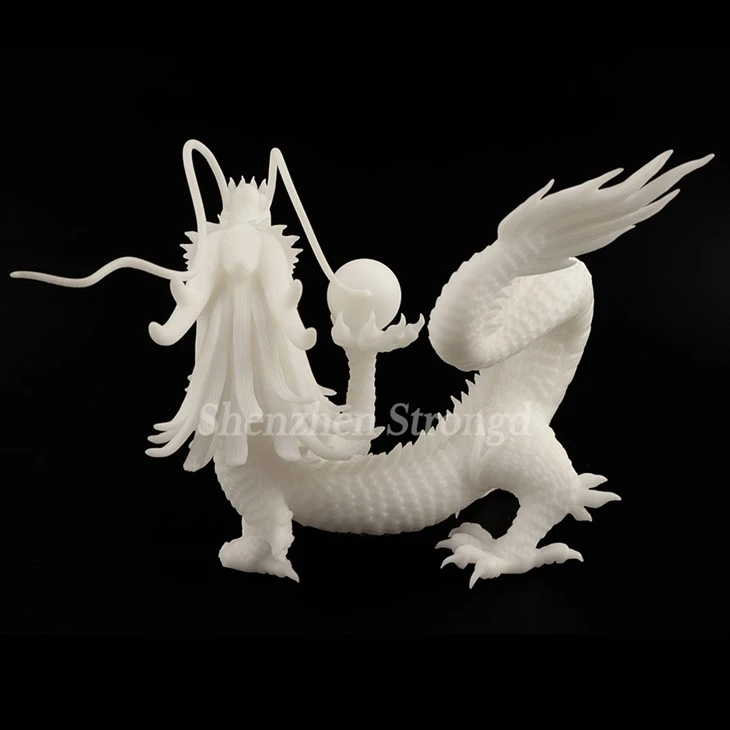
For example, a simple geometric shape with smooth surfaces will be relatively quick and easy to print, requiring less resin and minimal post-processing. In contrast, a highly detailed figurine with intricate features will take longer to print, use more resin, and require more labor-intensive post-processing to achieve a high-quality finish.
6. Quantity and Batch Printing
Printing multiple copies of the same object can often reduce the cost per unit. When printing in batches, the setup time and the cost of preparing the design are spread across multiple prints. Additionally, some resin printers offer the ability to print multiple objects simultaneously on the build platform, which can significantly increase the efficiency and reduce the overall cost.
However, it's important to note that batch printing may also require more resin and may take longer to complete. You need to carefully balance the quantity of prints with the available resources and the specific requirements of the project.
7. Quality and Tolerance Requirements
The desired quality and tolerance of the final print also affect the cost. Higher-quality prints with tighter tolerances require more precise printers and better-quality resins. Achieving a smooth surface finish and accurate dimensions may require additional post-processing steps, such as sanding, polishing, or painting. These extra steps add to the labor and material costs.
For applications where high precision is critical, such as in the medical or aerospace industries, the cost of 3D resin printing can be significantly higher due to the need for specialized resins and advanced printing techniques.
Conclusion
In summary, the cost of 3D resin printing is influenced by a variety of factors, including material costs, equipment and maintenance, labor and time, post-processing, design complexity, quantity, and quality requirements. As a 3D Resin Printing supplier, I understand that each project is unique, and the cost can vary widely depending on the specific needs of the customer.
If you're considering SLA 3D Printing Pc Parts or Resin 3D Printing Parts, I encourage you to contact me to discuss your project in detail. I can provide you with a customized quote based on your design, requirements, and budget. Whether you're a hobbyist looking to create a small prototype or a business in need of large-scale production, I'm here to help you navigate the world of 3D resin printing and find the most cost-effective solution for your needs.
References
- Gibson, I., Rosen, D. W., & Stucker, B. (2010). Additive Manufacturing Technologies: Rapid Prototyping to Direct Digital Manufacturing. Springer.
- Wohlers, T., & Gornet, P. (2020). Wohlers Report 2020: 3D Printing and Additive Manufacturing State of the Industry. Wohlers Associates.