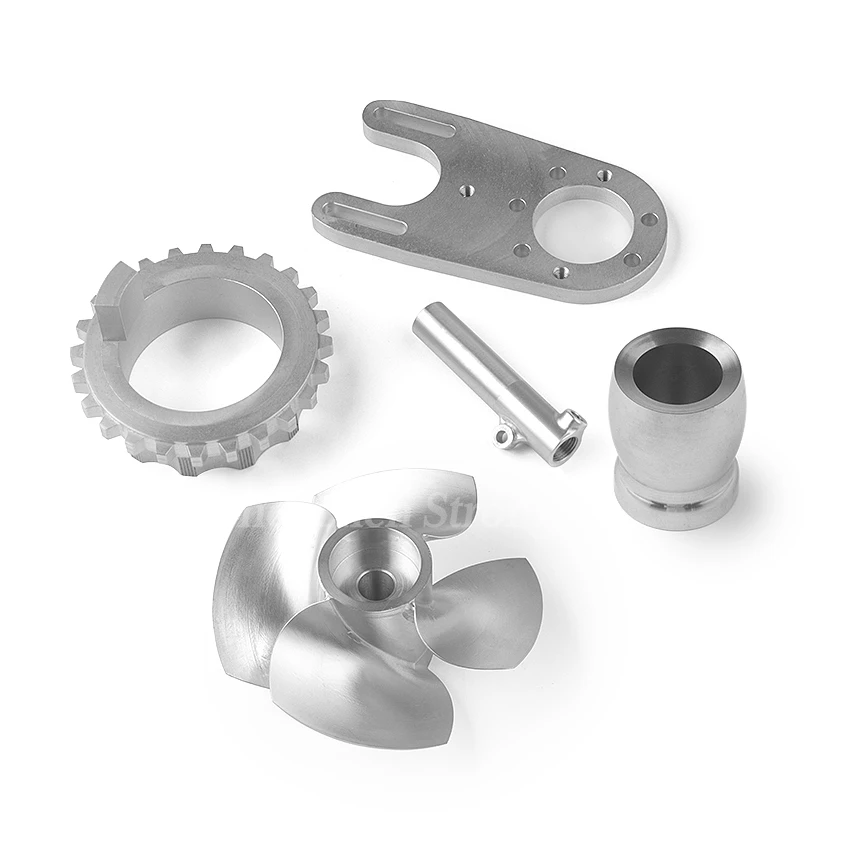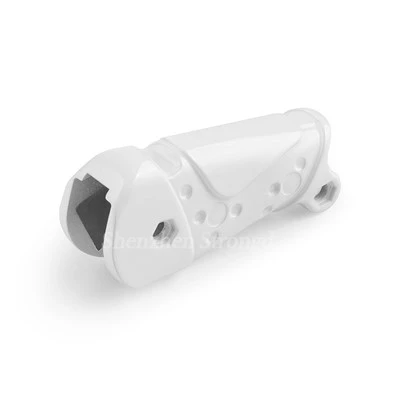

Dielectric properties play a crucial role in various industries, especially when it comes to materials used in electrical and electronic applications. As a Vacuum Casting Parts supplier, I've witnessed firsthand the importance of understanding these properties for our products. In this blog, we'll delve into what the dielectric property of vacuum casting parts is, why it matters, and how it impacts different applications.

Understanding Dielectric Properties
Before we dive into the specifics of vacuum casting parts, let's first understand what dielectric properties are. Dielectrics are insulating materials that can be polarized by an applied electric field. When an electric field is applied to a dielectric material, the positive and negative charges within the material separate slightly, creating an electric dipole. This polarization of the material affects how it interacts with the electric field.
The key dielectric properties include dielectric constant (also known as relative permittivity), dielectric strength, and dielectric loss. The dielectric constant is a measure of how much a material can store electrical energy in an electric field compared to a vacuum. A higher dielectric constant means the material can store more electrical energy. Dielectric strength is the maximum electric field that a dielectric material can withstand without breaking down and becoming conductive. Dielectric loss refers to the energy dissipated as heat when an alternating electric field is applied to the material.
Dielectric Properties of Vacuum Casting Parts
Vacuum casting is a process used to produce high - quality, detailed parts from a silicone mold. The parts are typically made from various types of plastics, such as polyurethanes, epoxies, and acrylonitrile butadiene styrene (ABS). Each of these materials has its own unique dielectric properties.
Polyurethane Vacuum Casting Parts
Polyurethane is a popular choice for vacuum casting due to its excellent mechanical properties, flexibility, and chemical resistance. In terms of dielectric properties, polyurethanes generally have a dielectric constant in the range of 2 - 10, depending on the specific formulation. They also have relatively good dielectric strength, which makes them suitable for applications where electrical insulation is required. For example, in some electronic enclosures, polyurethane vacuum casting parts can provide both mechanical protection and electrical insulation.
Epoxy Vacuum Casting Parts
Epoxies are known for their high strength, adhesion, and chemical resistance. Epoxy vacuum casting parts often have a dielectric constant in the range of 3 - 5. They have very high dielectric strength, which means they can withstand high electric fields without breaking down. This makes epoxy parts ideal for applications in high - voltage electrical equipment, such as insulators and connectors.
ABS Vacuum Casting Parts
ABS is a widely used thermoplastic known for its toughness, rigidity, and good processability. Vacuum Casting ABS Shell parts have a dielectric constant typically around 2.4 - 3.0. ABS has relatively low dielectric loss, which is beneficial for applications where energy efficiency is important, such as in electronic devices.
Importance of Dielectric Properties in Applications
The dielectric properties of vacuum casting parts are of great importance in many applications, especially in the electrical and electronic industries.
Electrical Insulation
One of the primary applications of vacuum casting parts with good dielectric properties is electrical insulation. In electrical equipment, such as transformers, motors, and circuit boards, insulating materials are used to prevent electrical current from flowing where it shouldn't. Vacuum casting parts made from materials with high dielectric strength and appropriate dielectric constant can effectively isolate electrical components, reducing the risk of short - circuits and electrical failures.
Capacitor Applications
Capacitors are electronic components that store electrical energy. The dielectric material used in a capacitor affects its capacitance, which is directly related to the dielectric constant. Vacuum casting parts with specific dielectric constants can be used to manufacture custom - designed capacitors. For example, a material with a high dielectric constant can be used to increase the capacitance of a capacitor in a limited space.
Electromagnetic Shielding
In some applications, it's necessary to shield electronic devices from electromagnetic interference (EMI). Dielectric materials can be used in combination with conductive materials to create effective EMI shielding structures. Vacuum casting parts can be designed to incorporate both dielectric and conductive elements, providing a cost - effective solution for EMI shielding.
Factors Affecting Dielectric Properties of Vacuum Casting Parts
Several factors can affect the dielectric properties of vacuum casting parts.
Material Composition
As mentioned earlier, different materials used in vacuum casting, such as polyurethanes, epoxies, and ABS, have different dielectric properties. The chemical composition of these materials, including the type and amount of additives, can also significantly affect their dielectric behavior. For example, adding certain fillers to a polymer can change its dielectric constant and dielectric loss.
Processing Conditions
The vacuum casting process itself can influence the dielectric properties of the parts. Factors such as the curing temperature, pressure, and time during the casting process can affect the molecular structure of the material, which in turn affects its dielectric behavior. For instance, improper curing conditions may lead to voids or inhomogeneities in the part, which can reduce its dielectric strength.
Environmental Conditions
The dielectric properties of vacuum casting parts can also be affected by environmental conditions such as temperature, humidity, and frequency of the applied electric field. Generally, an increase in temperature can cause an increase in dielectric loss and a decrease in dielectric strength. High humidity can also degrade the dielectric properties of some materials by introducing moisture, which can act as a conductor.
Our Expertise as a Vacuum Casting Parts Supplier
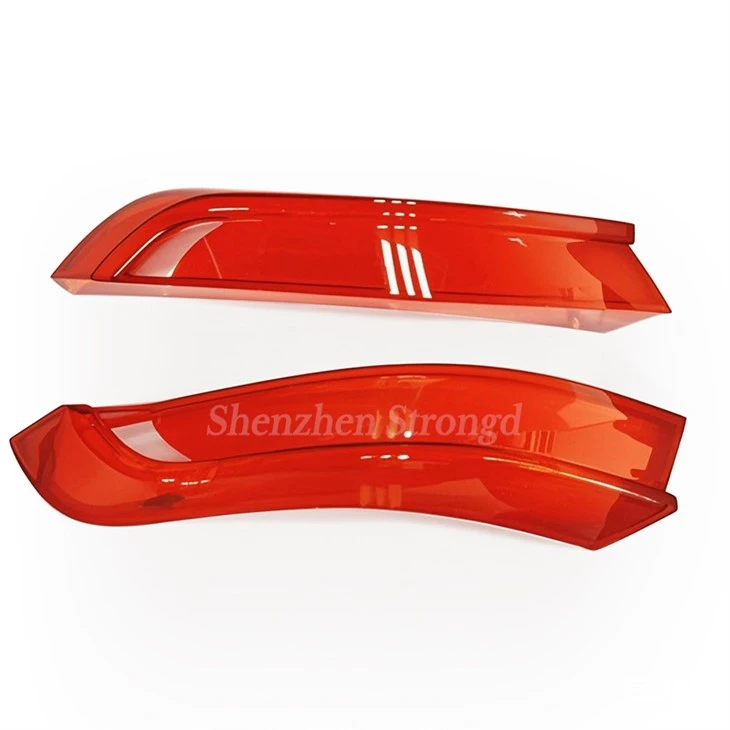
As a Vacuum Casting Parts supplier, we have extensive experience in producing parts with precise dielectric properties. We use advanced Silicone Mold Plastic Casting techniques to ensure the quality and consistency of our products. Our team of experts can work closely with you to select the right material and optimize the processing conditions to meet your specific dielectric requirements.
We understand that different applications have different dielectric needs. Whether you need parts with high dielectric strength for high - voltage applications or low dielectric loss for energy - efficient devices, we can provide customized solutions. Our quality control process includes thorough testing of the dielectric properties of our parts to ensure they meet the required standards.
Conclusion
In conclusion, the dielectric property of vacuum casting parts is a critical aspect that affects their performance in various electrical and electronic applications. Understanding these properties, along with the factors that influence them, is essential for selecting the right materials and processes. As a Vacuum Casting Parts supplier, we are committed to providing high - quality parts with precise dielectric properties to meet the diverse needs of our customers.
If you are in need of vacuum casting parts with specific dielectric requirements, we invite you to contact us for a detailed discussion. Our team of experts is ready to assist you in finding the best solutions for your projects.
References
- "Dielectric Materials and Applications" by John M. Schneider
- "Polymer Dielectrics: Properties, Processing, and Applications" by Jianming Zheng
- "Handbook of Electrical and Electronic Insulating Materials" by D. C. Srivastava