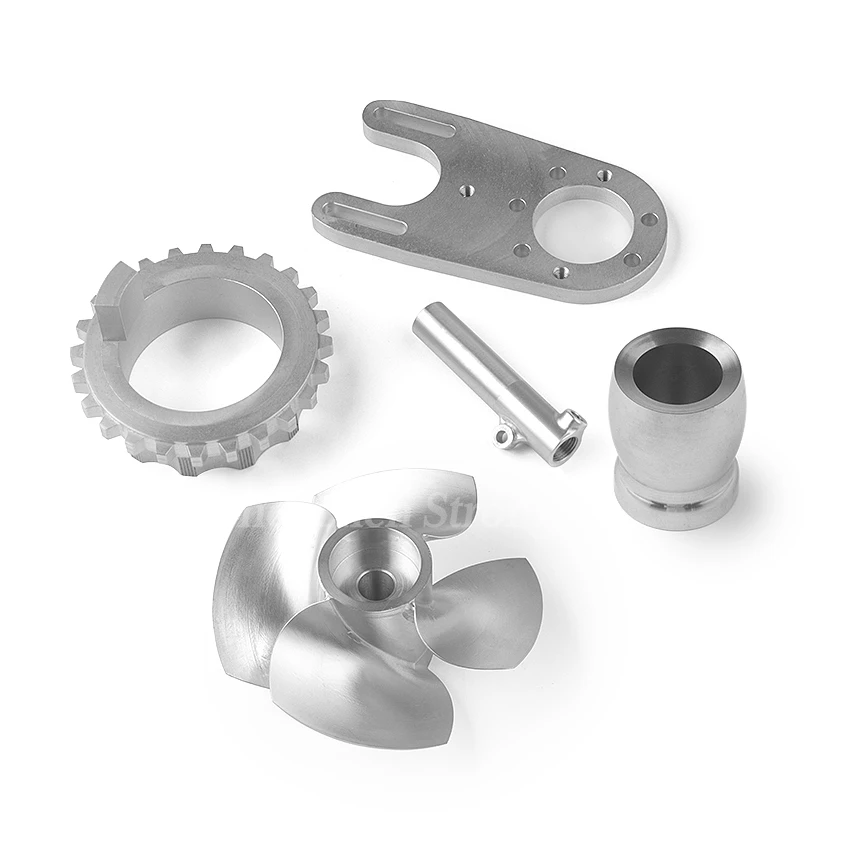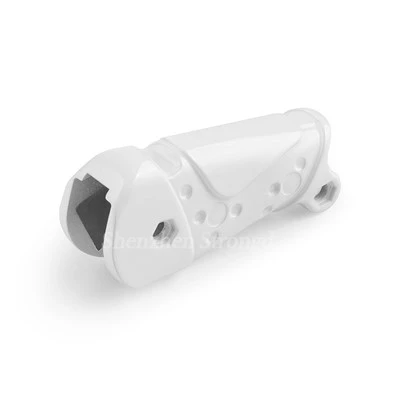

Hey there! As a supplier of Surgical Robots Parts, I often get asked about the difference between laparoscopic and robotic surgical robot parts. So, I thought I'd write a blog post to clear things up.
Let's start with the basics. Laparoscopic surgery has been around for a while. It's a minimally invasive procedure where small incisions are made in the abdomen, and a laparoscope (a thin tube with a camera) is inserted, along with specialized surgical instruments. This allows surgeons to see inside the body and perform operations without making large cuts. On the other hand, robotic surgery uses advanced robotic systems to assist surgeons in performing procedures.
Key Differences in the Parts
1. Instrumentation
In laparoscopic surgery, the instruments are relatively simple. They are long, thin, and manually operated by the surgeon. These instruments are designed to fit through the small incisions and perform basic tasks like grasping, cutting, and suturing. For example, laparoscopic forceps are used to hold tissues, and scissors are used for cutting.


Robotic surgical instruments, however, are much more sophisticated. They are attached to the robotic arms and can be controlled with high precision by the surgeon from a console. These instruments often have multiple degrees of freedom, which means they can move in ways that are similar to a human hand. Some robotic instruments even have built - in sensors that can provide feedback to the surgeon about the force being applied. For instance, a robotic grasper can adjust its grip strength based on the tissue it's holding. If you're interested in high - quality Mechanical Robotic Parts for these advanced instruments, we've got you covered.
2. Visualization
Laparoscopic surgery typically uses a standard laparoscope with a camera at the end. The camera provides a two - dimensional view of the surgical site, which can sometimes make it a bit challenging for the surgeon to judge depth accurately. Surgeons need to rely on their experience to interpret the 2D image and perform the operation.
Robotic surgical systems, on the other hand, usually come with high - definition 3D cameras. These cameras provide a much more realistic and detailed view of the surgical area, allowing the surgeon to have a better sense of depth and spatial relationships. This enhanced visualization can lead to more precise surgical maneuvers. The camera systems in robotic surgery are also often more stable, as they are mounted on robotic arms that can be precisely controlled.
3. Movement and Dexterity
When it comes to movement, laparoscopic instruments are limited by the small incisions and the way they are manually operated. The range of motion is somewhat restricted, and it can be difficult to perform complex movements in tight spaces. Surgeons have to work within the constraints of the instrument's design and the size of the incisions.
Robotic arms, on the other hand, offer a greater range of motion and dexterity. They can mimic the movements of a human hand and even perform movements that are difficult for a human to achieve. This is especially useful in delicate surgeries where precise movements are crucial. For example, in cardiac surgery, the robotic arms can perform intricate suturing tasks with high accuracy. The Aluminium Robot Chassis in our robotic systems provides a stable base for these highly - maneuverable arms.
4. Control and Feedback
In laparoscopic surgery, the surgeon directly controls the instruments with their hands. The feedback is mainly based on the visual information from the laparoscope and the tactile sensation they feel through the instruments. However, the tactile feedback can be limited, especially when using long, thin instruments.
In robotic surgery, the surgeon controls the robotic arms from a console. The console is equipped with controls that translate the surgeon's hand movements into precise movements of the robotic instruments. Additionally, some robotic systems can provide haptic feedback, which means the surgeon can feel a sense of touch or resistance as if they were directly handling the instruments. This feedback can help the surgeon perform more safely and accurately.
Advantages and Disadvantages
Laparoscopic Surgery
One of the biggest advantages of laparoscopic surgery is its cost - effectiveness. The equipment for laparoscopic surgery is generally less expensive than robotic surgical systems, which makes it more accessible in many hospitals. It also has a relatively short learning curve for surgeons who are already familiar with traditional open surgery.
However, laparoscopic surgery has its limitations. As mentioned earlier, the 2D visualization and limited range of motion can make complex surgeries more challenging. It may also take longer for the surgeon to perform certain tasks compared to robotic surgery.
Robotic Surgery
Robotic surgery offers many benefits, such as enhanced precision, better visualization, and greater dexterity. It can be especially useful in complex surgeries, like prostatectomies and certain types of cardiac surgeries. The ability to perform minimally invasive procedures with high precision can lead to shorter hospital stays, less pain, and faster recovery for patients.
But robotic surgery also has some drawbacks. The cost of the robotic systems is very high, both for the initial purchase and for maintenance. There is also a longer learning curve for surgeons to become proficient in using the robotic console.
Our Role as a Surgical Robots Parts Supplier
As a supplier of Surgical Robots Parts, we understand the importance of high - quality parts in both laparoscopic and robotic surgical systems. We offer a wide range of parts, from mechanical components to advanced sensors and cameras.
Our parts are designed to meet the strictest quality standards and are made from the best materials. Whether you're looking for parts to upgrade your existing laparoscopic instruments or need components for a state - of the - art robotic surgical system, we've got the right solutions for you. We work closely with manufacturers and hospitals to ensure that our parts are reliable and perform well in real - world surgical settings.
Why Choose Us?
- Quality Assurance: We have a rigorous quality control process in place to ensure that every part we supply meets the highest standards.
- Expertise: Our team has years of experience in the surgical robotics industry. We know what works and what doesn't, and we can provide you with the best advice on choosing the right parts.
- Customization: We understand that different surgical systems may have different requirements. That's why we offer customization options for our parts to fit your specific needs.
Contact Us for Procurement
If you're in the market for high - quality surgical robots parts, we'd love to hear from you. Whether you're a hospital administrator looking to upgrade your surgical equipment or a manufacturer in need of reliable parts, we can help. Get in touch with us to start a conversation about your procurement needs. Together, we can make sure that your surgical procedures are as efficient and effective as possible.
References
- Smith, J. (2020). Comparison of Laparoscopic and Robotic Surgical Techniques. Journal of Minimally Invasive Surgery.
- Johnson, A. (2021). Advances in Robotic Surgical Instrumentation. Surgical Innovations.