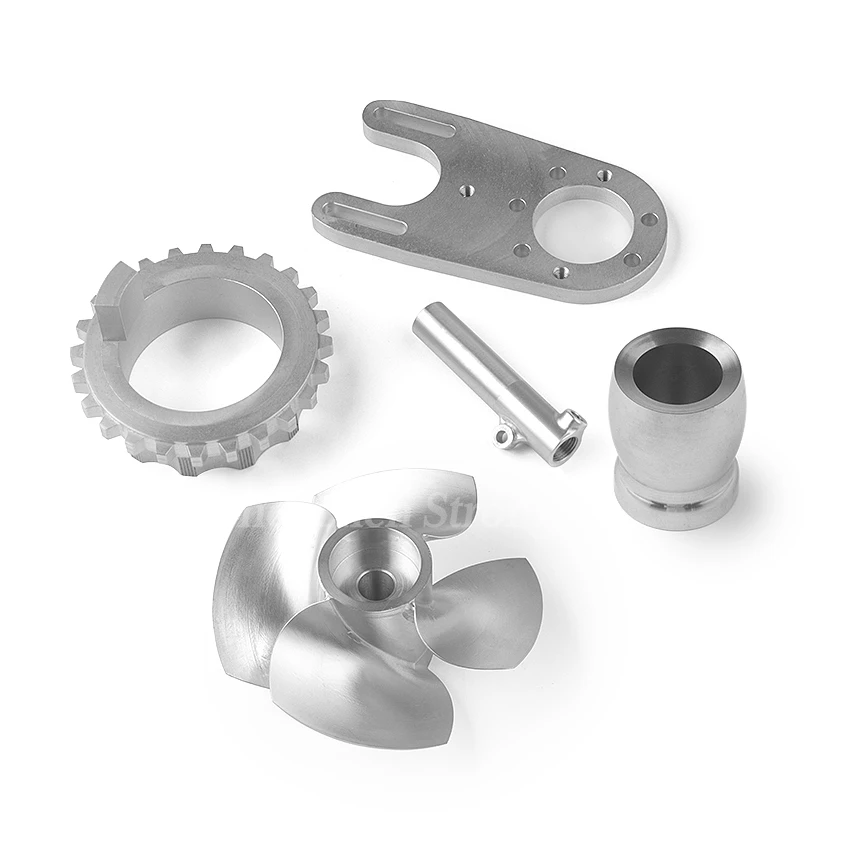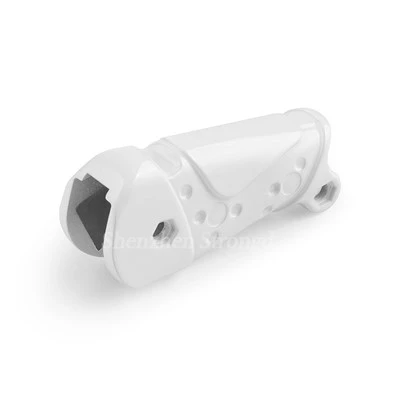

In the realm of manufacturing, two prominent techniques for creating plastic parts are vacuum casting and injection molding. As a supplier of Vacuum Casting Parts, I've witnessed firsthand the unique characteristics and applications of each method. Understanding the differences between vacuum casting parts and injection-molded parts is crucial for businesses and designers looking to make informed decisions about their manufacturing processes.
Process Overview
Let's start by delving into the fundamental processes of vacuum casting and injection molding.
Vacuum Casting
Vacuum casting is a relatively simple yet effective process that involves creating a silicone mold from a master pattern. The master pattern can be a 3D-printed model, a CNC-machined part, or any other accurately crafted prototype. Once the silicone mold is made, it is placed in a vacuum chamber. Liquid resin is then poured into the mold under vacuum conditions, which helps to eliminate air bubbles and ensure a high-quality cast. After the resin cures, the part is removed from the mold. This process is highly versatile and can be used to produce small to medium batches of parts with complex geometries and fine details.
Injection Molding
Injection molding, on the other hand, is a more complex and capital-intensive process. It begins with the creation of a metal mold, typically made from steel or aluminum. The mold is designed to have two halves that fit together precisely. Plastic pellets are fed into a heated barrel, where they are melted and then injected into the mold cavity under high pressure. The molten plastic fills the mold and cools rapidly, taking on the shape of the cavity. Once the plastic has solidified, the mold opens, and the part is ejected. Injection molding is ideal for high-volume production runs due to its high speed and efficiency.
Quality and Precision
When it comes to quality and precision, both vacuum casting and injection molding have their strengths.
Vacuum Casting
Vacuum casting is known for its ability to reproduce fine details and complex geometries with high accuracy. The silicone molds used in this process can capture even the smallest features of the master pattern, resulting in parts that are nearly identical to the original design. Additionally, the vacuum environment helps to ensure a smooth surface finish and minimize the presence of air bubbles or voids. However, due to the nature of the silicone mold, there may be some minor shrinkage or distortion during the casting process, especially for larger parts.
Injection Molding
Injection molding offers excellent dimensional accuracy and repeatability, making it suitable for applications where tight tolerances are required. The metal molds used in injection molding are highly durable and can withstand the high pressures and temperatures involved in the process. This allows for consistent production of parts with precise dimensions and minimal variation. However, achieving the desired level of precision in injection molding requires careful design and optimization of the mold and the injection process. Any errors or inconsistencies in the mold design or process parameters can result in defects such as flash, warping, or sink marks.
Material Selection
Another important factor to consider is the range of materials available for each process.
Vacuum Casting
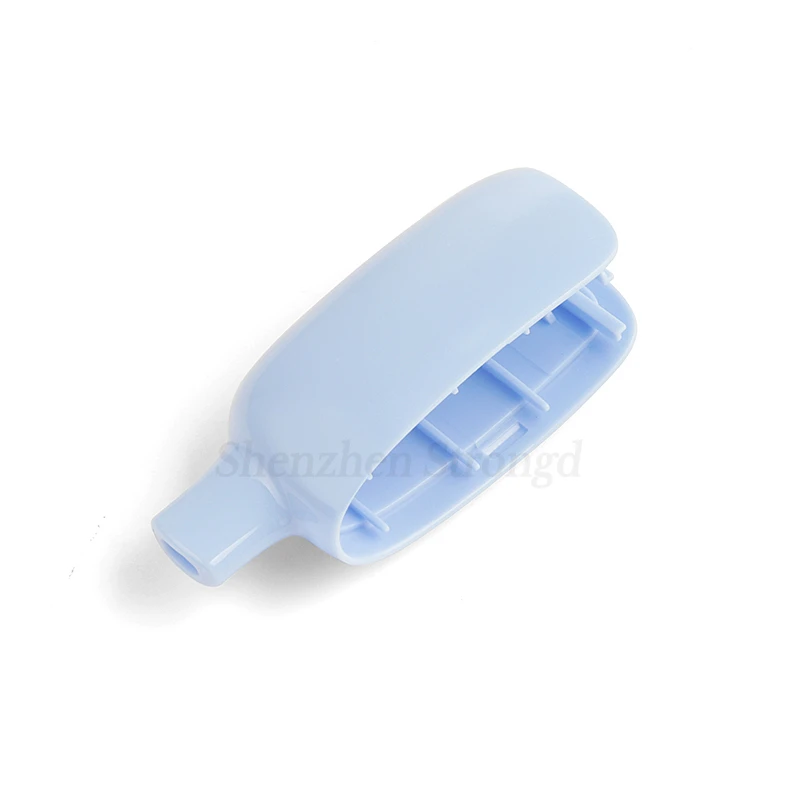
Vacuum casting supports a wide variety of materials, including polyurethanes, epoxies, and silicones. These materials offer different properties such as flexibility, hardness, transparency, and chemical resistance, allowing for the production of parts with diverse applications. For example, Vacuum Casting Plastic Electronic Shell can be made from a transparent or opaque resin, depending on the requirements of the electronic device. Additionally, vacuum casting allows for the use of special effects such as color mixing and soft-touch finishes, which can enhance the aesthetic appeal of the parts.
Injection Molding
Injection molding also offers a broad selection of materials, including thermoplastics, thermosetting plastics, and elastomers. Thermoplastics are the most commonly used materials in injection molding due to their ability to be melted and re-molded multiple times. They offer a wide range of properties, such as high strength, stiffness, and heat resistance. However, the choice of material in injection molding is often limited by the capabilities of the injection molding machine and the mold design. Some materials may require special processing conditions or additives to achieve the desired properties.
Cost and Production Volume
Cost and production volume are significant considerations when choosing between vacuum casting and injection molding.
Vacuum Casting
Vacuum casting is a cost-effective option for small to medium production runs. The initial investment in tooling is relatively low compared to injection molding, as silicone molds are much cheaper to produce than metal molds. Additionally, the setup time for vacuum casting is shorter, making it suitable for rapid prototyping and low-volume production. However, the cost per part in vacuum casting can be higher than in injection molding, especially for large production volumes. This is because the process is more labor-intensive and the production rate is lower.
Injection Molding
Injection molding is more cost-effective for high-volume production runs. Although the initial investment in tooling is high, the cost per part decreases significantly as the production volume increases. The high speed and efficiency of injection molding allow for large quantities of parts to be produced in a short period of time, reducing the overall production cost. However, for small production runs, the high tooling cost can make injection molding prohibitively expensive.
Lead Time
Lead time is another important factor to consider, especially for projects with tight deadlines.
Vacuum Casting
Vacuum casting offers a relatively short lead time compared to injection molding. The process of creating a silicone mold is relatively quick, and the casting process itself can be completed in a matter of hours or days, depending on the complexity of the part and the curing time of the resin. This makes vacuum casting an ideal choice for rapid prototyping and urgent production requirements.
Injection Molding
Injection molding typically has a longer lead time due to the time required to design and manufacture the metal mold. The mold design process can take several weeks or even months, depending on the complexity of the part and the precision required. Once the mold is ready, the production process can be relatively fast, but the overall lead time is still longer than that of vacuum casting.
Applications
Both vacuum casting and injection molding have a wide range of applications across various industries.
Vacuum Casting
Vacuum casting is commonly used in industries such as automotive, aerospace, consumer products, and medical devices. It is ideal for producing prototypes, small batches of parts, and custom-made components. For example, Vacuum Casting PC Parts can be used in the computer industry to create custom cases, brackets, and other components. Vacuum casting is also popular in the art and design industry for creating sculptures, figurines, and jewelry.
Injection Molding
Injection molding is widely used in industries such as automotive, electronics, packaging, and consumer goods. It is the preferred method for high-volume production of parts such as automotive components, electronic housings, plastic bottles, and toys. The high precision and repeatability of injection molding make it suitable for applications where consistent quality and performance are required.
Conclusion
In conclusion, vacuum casting and injection molding are two distinct manufacturing processes with their own advantages and disadvantages. Vacuum casting is a versatile and cost-effective option for small to medium production runs, offering high-quality parts with complex geometries and fine details. Injection molding, on the other hand, is more suitable for high-volume production, providing excellent dimensional accuracy and repeatability at a lower cost per part. When choosing between the two processes, it is important to consider factors such as quality, precision, material selection, cost, production volume, lead time, and application requirements.
As a supplier of Vacuum Casting Parts, I am committed to providing high-quality products and excellent customer service. If you are interested in learning more about vacuum casting or would like to discuss your specific manufacturing needs, please feel free to contact me. I look forward to working with you to find the best solution for your project.

References
- "Manufacturing Engineering & Technology" by Serope Kalpakjian and Steven Schmid
- "Plastic Product Design" by John A. Schey
- "Injection Molding Handbook" by O. Olszewski