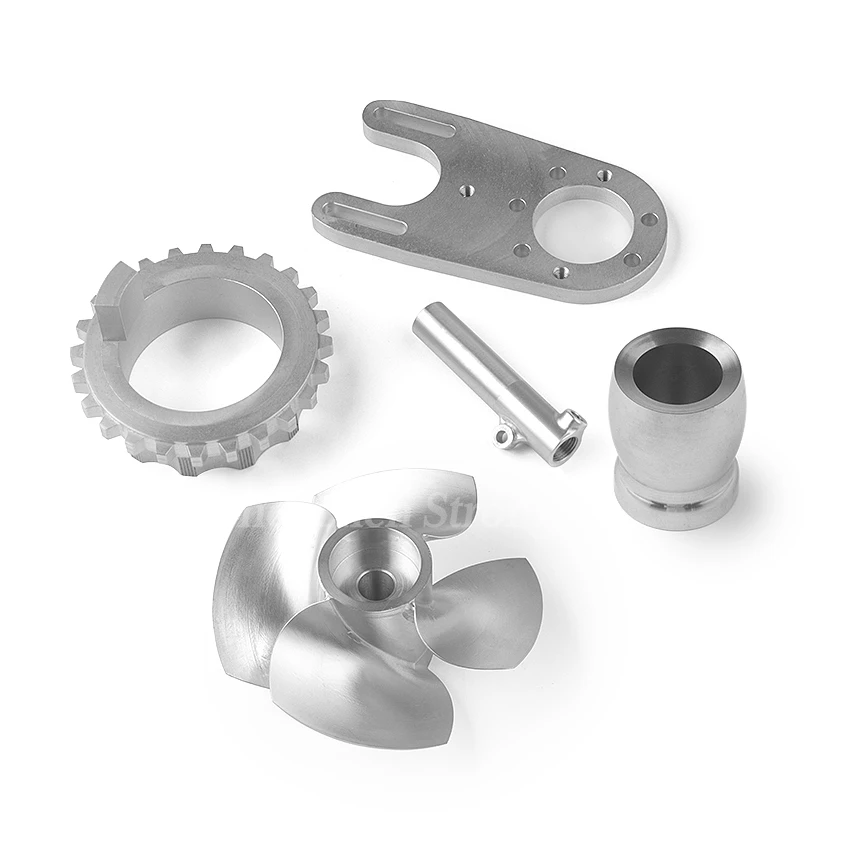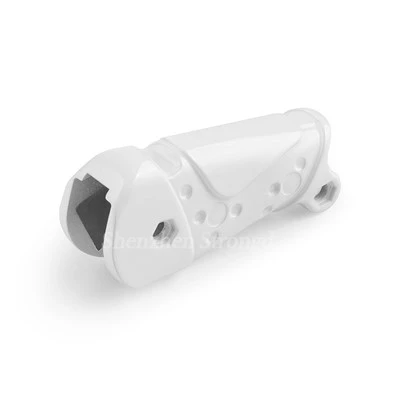

Hey there! I'm a supplier in the sheet metal bending business, and today I want to chat about the influence of heat treatment on sheet metal bending. It's a topic that's super important in our field, and understanding it can make a huge difference in the quality of our products.
First off, let's talk about what heat treatment is. Heat treatment is a process where we heat and cool sheet metal in a controlled way to change its physical and mechanical properties. There are different types of heat treatment, like annealing, quenching, and tempering. Each type has its own unique effects on the metal.
Annealing is one of the most common heat treatment methods. When we anneal sheet metal, we heat it up to a specific temperature and then let it cool slowly. This process helps to relieve internal stresses in the metal, making it softer and more ductile. In the context of sheet metal bending, a softer and more ductile metal is much easier to bend without cracking or breaking. For example, if we're working with a thick piece of stainless steel, annealing can make it more malleable, allowing us to achieve the desired bend radius without any issues. You can learn more about Sheet Metal Bending Stainless Steel for Case on our website.
On the other hand, quenching is a process where we heat the metal and then rapidly cool it, usually by immersing it in a liquid like water or oil. Quenching makes the metal harder and stronger, but it also makes it more brittle. This can be a double - edged sword when it comes to sheet metal bending. While a harder metal might be able to withstand more force during bending, the increased brittleness means there's a higher risk of cracking. So, if we're planning to bend the metal after quenching, we need to be very careful with the bending process. We might need to adjust the bending speed, the bend radius, or use special bending tools to avoid damage.
Tempering is often done after quenching to reduce the brittleness of the metal. We heat the quenched metal to a lower temperature and then let it cool. This process helps to balance the hardness and toughness of the metal. For sheet metal bending, tempered metal can offer a good combination of strength and ductility. It can hold its shape well after bending while still being flexible enough to be formed into different shapes.
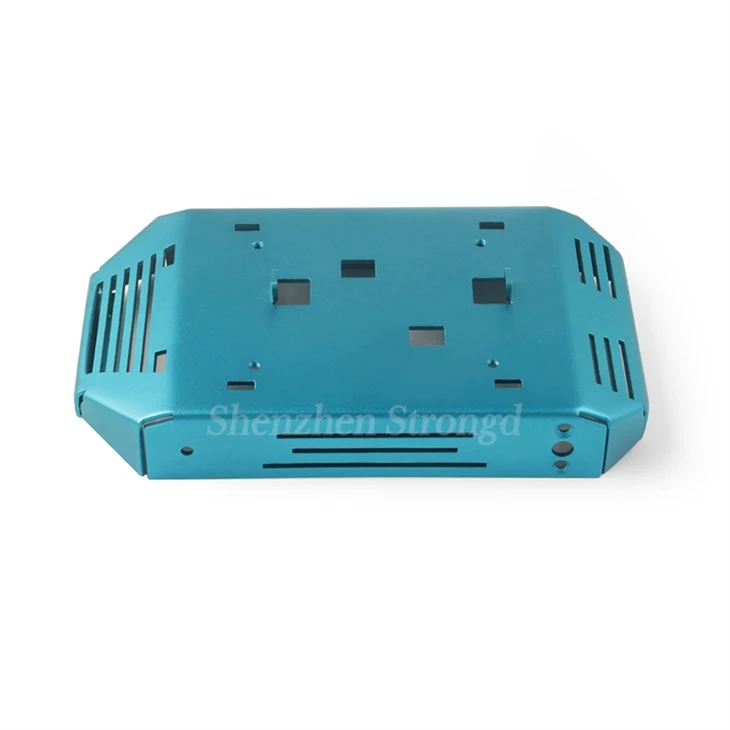
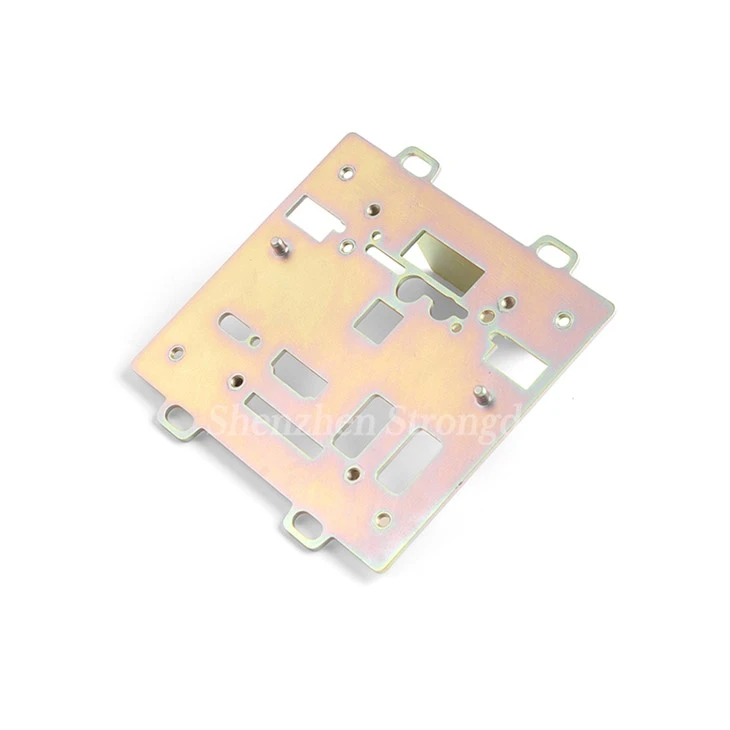
Now, let's look at how heat treatment affects the bendability of sheet metal. Bendability is a measure of how easily a sheet of metal can be bent without cracking or breaking. Heat treatment can significantly improve bendability in several ways.
One of the key factors in bendability is the grain structure of the metal. Heat treatment can change the grain size and orientation of the metal. When we anneal the metal, the grains tend to grow larger and become more evenly distributed. This larger and more uniform grain structure allows the metal to deform more easily during bending. In contrast, a fine - grained structure, which can be the result of rapid cooling during quenching, can make the metal more resistant to deformation and more likely to crack under stress.
Another aspect is the yield strength of the metal. Yield strength is the amount of stress a metal can withstand before it starts to deform permanently. Heat treatment can lower the yield strength of the metal, especially during annealing. A lower yield strength means that less force is required to bend the metal. This is not only beneficial for the bending process itself but also for the equipment we use. We can use less powerful bending machines, which can save energy and reduce wear and tear on the equipment.
The surface finish of the sheet metal can also be affected by heat treatment. During heat treatment, the metal can react with the surrounding atmosphere, leading to the formation of an oxide layer on the surface. This oxide layer can have both positive and negative effects on sheet metal bending. On one hand, a thin and uniform oxide layer can act as a lubricant during bending, reducing friction between the metal and the bending tool. On the other hand, a thick or uneven oxide layer can cause problems. It can flake off during bending, leaving scratches on the surface of the metal or even getting stuck between the metal and the tool, which can affect the quality of the bend.
In addition to the physical properties, heat treatment can also have an impact on the corrosion resistance of the sheet metal. Some heat treatment processes can improve the corrosion resistance of the metal by forming a protective layer on the surface. This is especially important for sheet metal products that will be used in harsh environments. For example, if we're bending sheet metal for outdoor applications, a heat - treated metal with good corrosion resistance can last much longer without rusting or deteriorating.
When it comes to our business as a sheet metal bending supplier, understanding the influence of heat treatment is crucial. We need to choose the right heat treatment method for each project based on the type of metal, the desired bend radius, and the final application of the product. For some projects, we might need to anneal the metal to improve its bendability. For others, we might use quenching and tempering to achieve a specific combination of strength and toughness.
We also need to ensure that the heat treatment process is carried out accurately. Any deviation from the correct temperature, heating time, or cooling rate can have a significant impact on the properties of the metal. That's why we have a team of experienced technicians who are well - trained in heat treatment processes. They use advanced equipment to monitor and control every step of the heat treatment, ensuring that the metal has the exact properties we need for the bending process.
In conclusion, heat treatment plays a vital role in sheet metal bending. It can change the physical and mechanical properties of the metal, improve bendability, and enhance the quality and performance of the final product. Whether you're looking for Sheet Metal Fabrication or Bending Laser Cutting, we have the expertise and experience to provide you with high - quality sheet metal bending services.
If you're in the market for sheet metal bending products and want to discuss your project, feel free to reach out to us. We're always happy to have a chat and see how we can help you achieve your goals.
References:
- ASM Handbook Volume 4: Heat Treating. ASM International.
- Metals Handbook Desk Edition, Third Edition. ASM International.