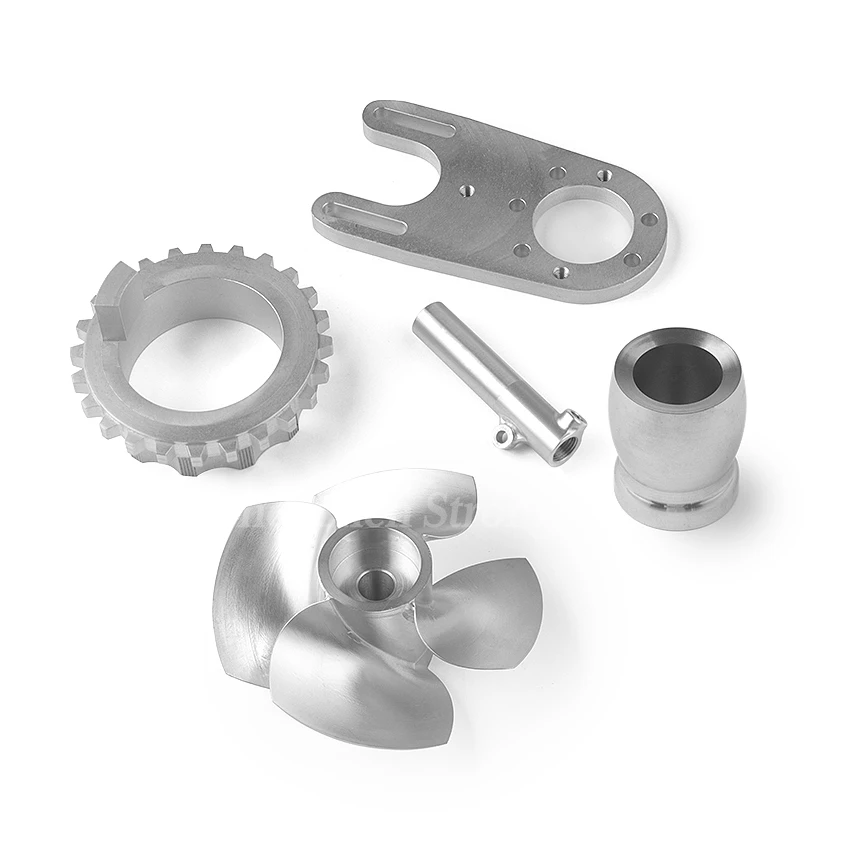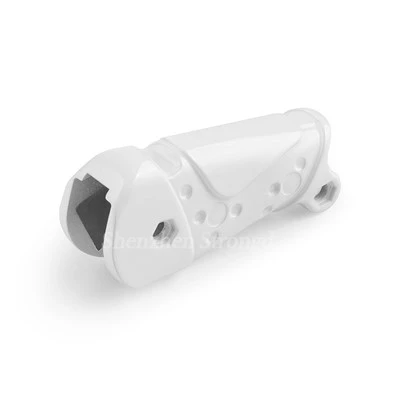

Hey there! As a supplier of vacuum casting parts, I often get asked if these parts can be used in aerospace applications. Well, let's dive right into it and find out.
First off, let's talk a bit about what vacuum casting is. Vacuum casting is a process where a liquid material, usually a type of resin, is poured into a mold under vacuum conditions. This helps to remove air bubbles and ensures a high - quality, detailed part. It's a popular method for creating prototypes and small - batch production parts.
Now, when it comes to aerospace applications, the requirements are super strict. Aerospace parts need to meet high - performance standards in terms of strength, durability, heat resistance, and weight. They also have to pass a whole bunch of safety and quality tests.
Strength and Durability
One of the key factors in aerospace is the strength - to - weight ratio. Vacuum casting parts can be made with materials that offer a decent strength - to - weight ratio. Some of the advanced resins used in vacuum casting can be formulated to have high tensile strength and good impact resistance.
For example, if we're making small brackets or housings for avionics equipment, vacuum casting can produce parts that are strong enough to withstand the vibrations and mechanical stresses during flight. However, for critical load - bearing components like wing spars or landing gear parts, vacuum casting might not be the best option. These parts usually require materials with extremely high strength and toughness, such as metals or high - performance composites.
Heat Resistance
Aerospace applications often involve exposure to high temperatures, especially during re - entry or when the aircraft is flying at high speeds. Some of the resins used in vacuum casting can have limited heat resistance.
But hey, there are also high - temperature - resistant resins available. These can be used in vacuum casting to make parts that can withstand moderate heat. For instance, parts in the engine compartment that are not directly in contact with the hottest areas can be made using vacuum casting with heat - resistant resins. However, for parts that are exposed to extreme heat, like the leading edges of the wings or the exhaust nozzles, other materials and manufacturing processes are typically used.
Precision and Complexity
Vacuum casting is great for creating parts with complex geometries. The process allows for the production of parts with fine details and smooth surfaces. This is a big advantage in aerospace, where many components have intricate designs.
For example, if we need to make a custom - shaped duct for the aircraft's ventilation system, vacuum casting can accurately reproduce the complex shape. This precision can reduce the need for additional machining and assembly steps, which can save time and cost.
Cost - Effectiveness
When it comes to cost, vacuum casting can be a cost - effective option for aerospace applications, especially for small - batch production. The tooling costs for vacuum casting are relatively low compared to other manufacturing processes like injection molding or machining.
If an aerospace company needs to produce a limited number of a particular part, say for a prototype or a special - edition aircraft, vacuum casting can be a great choice. It allows them to get the parts they need without having to invest a huge amount of money in expensive tooling.
Quality Control
In aerospace, quality control is non - negotiable. Every part has to be inspected and tested thoroughly to ensure it meets the strict standards. As a vacuum casting parts supplier, we have a rigorous quality control process in place.
We use advanced testing equipment to check the mechanical properties, dimensions, and surface finish of the parts. We also perform non - destructive testing, such as ultrasonic testing and X - ray inspection, to detect any internal defects. This helps us to ensure that the parts we supply are of the highest quality and can be trusted for aerospace applications.
Examples of Aerospace Applications
There are several areas in aerospace where vacuum casting parts can be used.
Avionics: As mentioned earlier, small brackets, housings, and covers for avionics equipment can be made using vacuum casting. These parts need to be lightweight, have good electrical insulation properties, and be able to protect the sensitive electronics inside. You can learn more about the versatility of vacuum casting in different applications at Vacuum Casting For Household Products.
Interior Components: Vacuum casting can be used to make interior components like seat parts, cabin panels, and decorative elements. These parts need to be aesthetically pleasing, lightweight, and meet the fire - safety requirements of the aircraft.
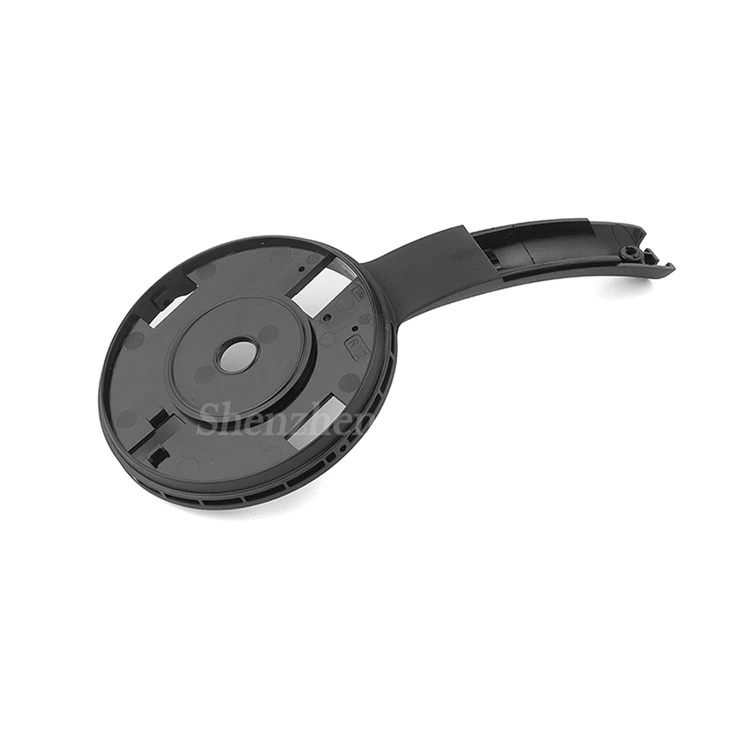
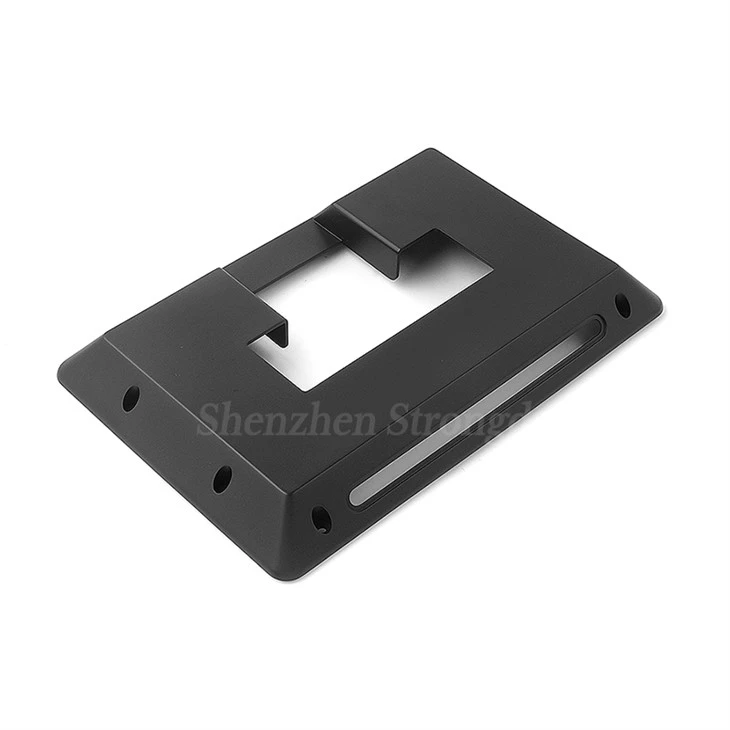
Prototyping: Vacuum casting is widely used in the prototyping phase of aerospace projects. Engineers can quickly produce prototypes of new parts using vacuum casting to test their form, fit, and function. This helps to speed up the design and development process. You can find more information about prototyping with vacuum casting at Vacuum Casting Soft Rapid Prototype.
Electronic Enclosures: For electronic devices on the aircraft, such as communication systems or navigation equipment, vacuum casting can be used to make the enclosures. These enclosures need to provide protection from dust, moisture, and electromagnetic interference. Check out Vacuum Casting Plastic Electronic Shell for more details on this application.
Conclusion
So, can vacuum casting parts be used in aerospace applications? The answer is yes, but with some limitations. Vacuum casting parts can be used in certain non - critical and small - batch aerospace applications where the requirements for strength, heat resistance, and precision can be met by the materials and process.
If you're in the aerospace industry and are considering using vacuum casting parts for your projects, I'd love to have a chat with you. We can discuss your specific requirements, the materials we can use, and how we can ensure the quality of the parts. Contact us to start the conversation and see if our vacuum casting parts are the right fit for your aerospace needs.
References
- "Aerospace Materials and Processes Handbook"
- "Advanced Composite Materials in Aerospace Engineering"
- Industry reports on vacuum casting and aerospace manufacturing