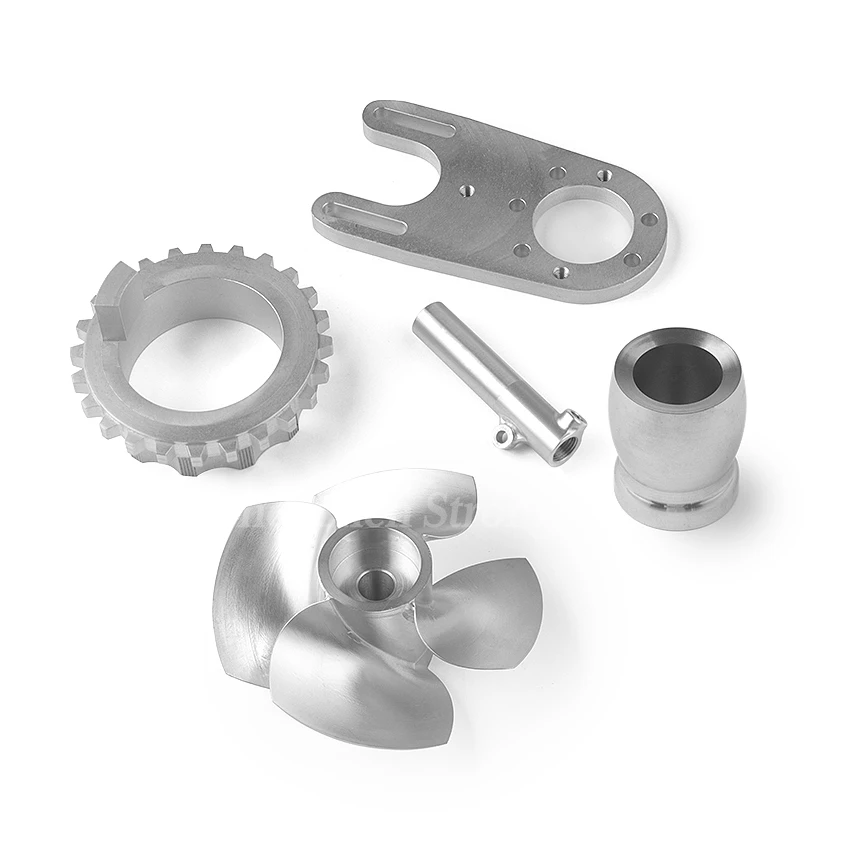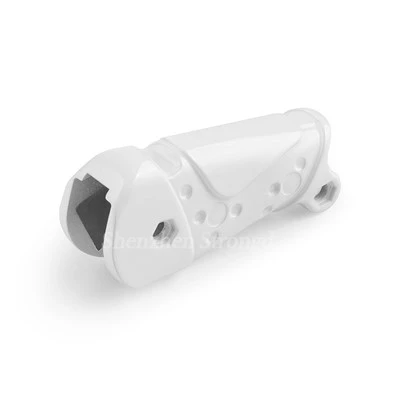

Hey there! As a supplier of CNC parts, I often get asked about the magnetic properties of parts made from certain materials. It's a pretty interesting topic, and I'm excited to share some insights with you.
Let's start with the basics. Magnetism is all about how materials respond to magnetic fields. Some materials are attracted to magnets, while others aren't. The magnetic properties of a material depend on its atomic structure and the way its electrons behave.
Ferromagnetic Materials
First up, we've got ferromagnetic materials. These are the ones that most people think of when they hear the word "magnetic." Materials like iron, nickel, and cobalt are ferromagnetic. They have strong magnetic properties and can be easily magnetized.

When we use these materials in CNC machining, the resulting parts can be used in a variety of applications where magnetism is required. For example, in electric motors, ferromagnetic CNC parts are used to create magnetic fields that drive the rotation of the motor. These parts are also used in magnetic sensors, where their ability to interact with magnetic fields is crucial for detecting changes in position or movement.
The magnetic properties of ferromagnetic CNC parts can be further enhanced through processes like heat treatment. By heating and cooling the parts in a controlled way, we can align the magnetic domains within the material, making it more magnetic.
Paramagnetic Materials
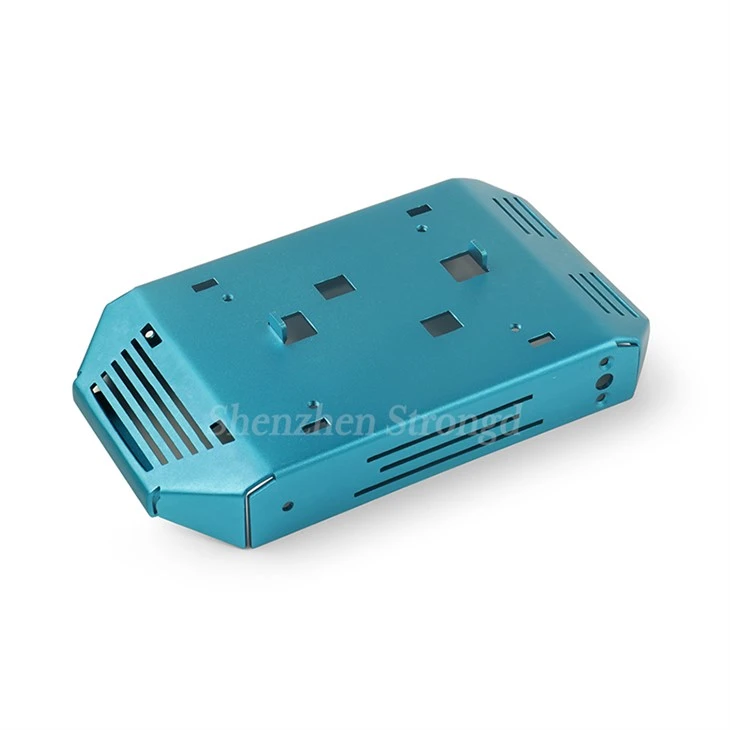
Next, we have paramagnetic materials. These materials are weakly attracted to magnetic fields. Aluminum is a common example of a paramagnetic material. You might be interested in our CNC Anodized Colorful Aluminum Parts. While aluminum isn't as strongly magnetic as ferromagnetic materials, it still has some magnetic properties.
The magnetic behavior of paramagnetic materials is due to the presence of unpaired electrons in their atoms. When a magnetic field is applied, these unpaired electrons align with the field, causing a weak attraction. However, once the magnetic field is removed, the alignment is lost, and the material no longer exhibits magnetic behavior.
In CNC machining, paramagnetic materials like aluminum are often used in applications where a lightweight and non - strongly magnetic material is needed. For example, in aerospace and electronics, aluminum CNC parts can be used without interfering with sensitive electronic components due to their weak magnetic properties.
Diamagnetic Materials
Diamagnetic materials are the opposite of paramagnetic materials. They are repelled by magnetic fields. Materials like copper, silver, and most plastics fall into this category. You can check out our CNC Plastic Parts and CNC Machining Plastic Auto Parts.
The magnetic behavior of diamagnetic materials is caused by the induced magnetic fields within their atoms. When a magnetic field is applied, the electrons in the atoms of diamagnetic materials create a magnetic field that opposes the applied field, resulting in a repulsive force.
Diamagnetic CNC parts are useful in applications where magnetic interference needs to be minimized. For example, in medical equipment, plastic CNC parts are used because they won't be affected by magnetic fields and won't cause interference with the operation of the equipment.
How We Ensure Quality of Magnetic Properties in CNC Parts
As a CNC parts supplier, we take the magnetic properties of our parts very seriously. When we're machining parts from ferromagnetic materials, we use high - precision equipment to ensure that the parts have the right magnetic strength and uniformity. We also perform strict quality control checks using magnetic testing equipment to make sure that the parts meet the required magnetic specifications.
For paramagnetic and diamagnetic materials, we focus on maintaining the purity of the materials during the machining process. Contaminants can sometimes affect the magnetic properties of these materials, so we use clean manufacturing environments and high - quality raw materials.
Applications of CNC Parts Based on Magnetic Properties
The magnetic properties of CNC parts determine their applications. Ferromagnetic parts are used in power generation, where they are essential for the operation of generators and transformers. In the automotive industry, they are used in ignition systems and electric power steering.
Paramagnetic parts, like our anodized aluminum parts, are used in industries where lightweight and some level of magnetic interaction is acceptable. They are commonly found in consumer electronics, such as smartphones and laptops, where they can be used for structural support without causing magnetic interference.
Diamagnetic parts, especially plastic parts, are widely used in the food and beverage industry, where they won't be affected by the magnetic fields used in some processing equipment. They are also used in the pharmaceutical industry for similar reasons.
Why Choose Us as Your CNC Parts Supplier
We've been in the CNC parts business for a long time, and we've built a reputation for providing high - quality parts with precise magnetic properties. Our team of experts has in - depth knowledge of different materials and their magnetic behaviors. We use the latest CNC machining technology to ensure that our parts are made with the highest level of accuracy.
Whether you need ferromagnetic parts for a high - power application or diamagnetic plastic parts for a sensitive environment, we can meet your needs. We offer custom machining services, so you can get the exact parts you need with the right magnetic properties.
If you're in the market for CNC parts and want to discuss the magnetic properties of different materials, don't hesitate to reach out. We're here to help you find the best solutions for your projects. Whether you're a small - scale manufacturer or a large - scale industrial company, we can work with you to provide the parts you need.
In conclusion, understanding the magnetic properties of CNC parts made from certain materials is crucial for choosing the right parts for your applications. Whether it's ferromagnetic, paramagnetic, or diamagnetic materials, each has its own unique magnetic behavior and uses. As a reliable CNC parts supplier, we're committed to providing you with the best - quality parts tailored to your specific requirements. So, if you're looking for high - quality CNC parts with the right magnetic properties, get in touch with us today and let's start a great partnership!
References
- "Introduction to Magnetism and Magnetic Materials" by David Jiles
- "Materials Science and Engineering: An Introduction" by William D. Callister Jr. and David G. Rethwisch