
Hey there! As a supplier of 3D resin printing, I've seen firsthand the amazing capabilities of this technology. In this post, I'm gonna break down the strengths of 3D resin prints and why they might just be the perfect solution for your next project.
High Precision and Detail
One of the most significant advantages of 3D resin printing is its ability to achieve incredibly high precision and detail. Resin printers use a process called Stereolithography (SLA) or Digital Light Processing (DLP), which involves curing liquid resin layer by layer using a light source. This method allows for extremely fine details and smooth surfaces that are hard to match with other 3D printing technologies.
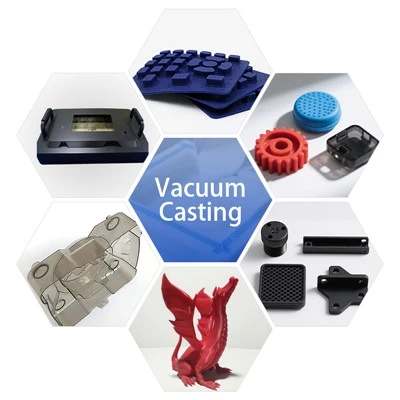
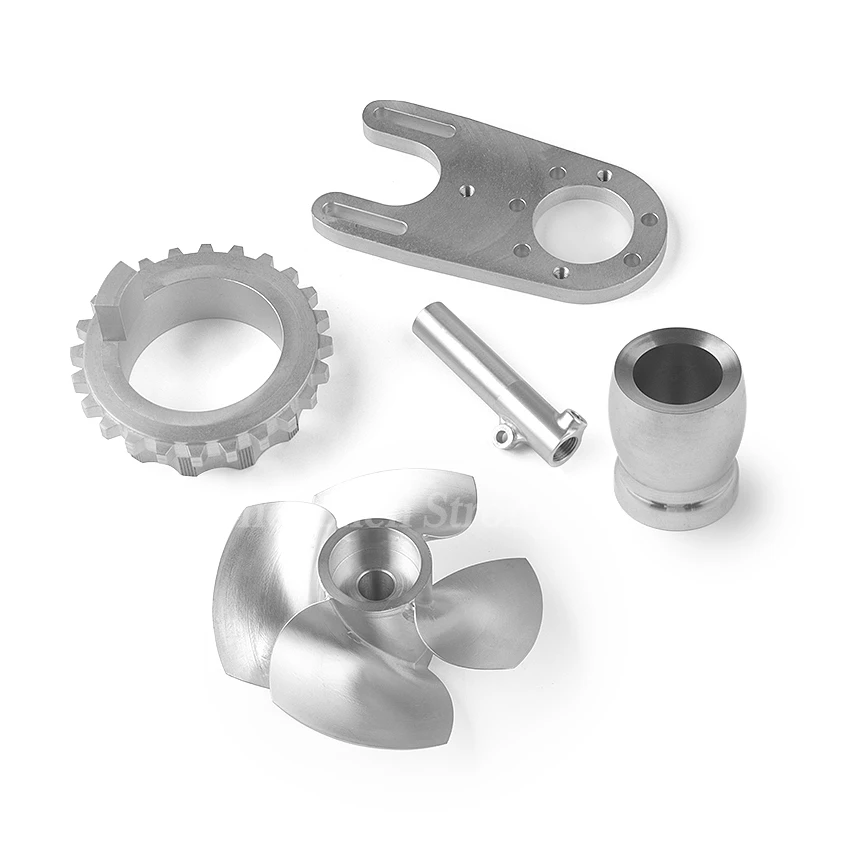
For example, if you're working on a project that requires intricate designs or small parts, 3D resin printing can deliver. Whether it's jewelry, dental models, or miniature figurines, the level of detail that can be achieved is truly remarkable. You can check out some of the amazing 3D Printing Model Parts we've created using resin printing to get a better idea of what's possible.
Smooth Surface Finish
Another great thing about 3D resin prints is the smooth surface finish they offer. Unlike some other 3D printing methods that can leave visible layer lines, resin prints have a much more polished appearance right out of the printer. This is especially important for projects where aesthetics matter, such as display models or consumer products.
The smooth surface also makes post - processing easier. You can spend less time sanding and finishing the parts, which saves both time and money. If you're looking for parts with a professional look, Resin 3D Printing Parts are a great option.
Wide Range of Materials
3D resin printing offers a wide variety of materials to choose from, each with its own unique properties. There are resins that are strong and durable, perfect for functional parts that need to withstand stress. Others are flexible, which is useful for creating parts that need to bend or stretch. There are also clear resins for applications where transparency is required, such as lenses or light guides.
This versatility means that you can find the right resin for almost any project. Whether you're prototyping a new product or creating a one - of - a - kind piece of art, there's a resin material that can meet your needs.

Fast Prototyping
When it comes to prototyping, speed is often of the essence. 3D resin printing allows for relatively fast prototyping compared to traditional manufacturing methods. Once you have your 3D model ready, you can send it to the printer and have a physical prototype in your hands in a matter of hours or days, depending on the size and complexity of the part.
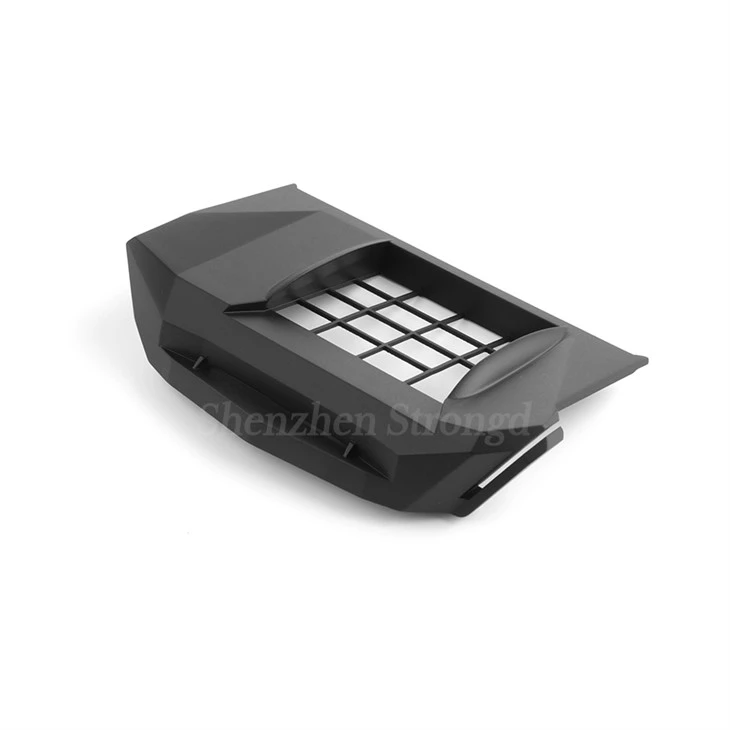
This rapid turnaround time is a huge advantage for product development. It allows you to test your designs quickly, make adjustments, and iterate on your ideas without having to wait weeks for a prototype to be made using traditional methods. If you're in a hurry to get your product to market, our 3D Printing Service ABS Plastic Rapid Prototype can help you speed up the process.
Cost - Effective for Small Batches
For small - batch production, 3D resin printing can be a very cost - effective option. Traditional manufacturing methods often require expensive tooling and setup costs, which can make small - batch production prohibitive. With 3D resin printing, there's no need for tooling, so you can save a lot of money on upfront costs.
You only pay for the material and the printing time, which makes it a great choice for producing small quantities of parts. Whether you're a startup looking to produce a limited run of products or an artist creating a small collection of pieces, 3D resin printing can help you keep your costs down.
Design Freedom
3D resin printing offers almost unlimited design freedom. You can create complex geometries, internal structures, and organic shapes that would be impossible or very difficult to produce using traditional manufacturing methods. This allows designers and engineers to push the boundaries of what's possible and come up with innovative solutions.
For example, you can create parts with lattice structures that are lightweight but still strong, or parts with integrated features that reduce the need for assembly. The ability to create custom - designed parts quickly and easily is one of the biggest strengths of 3D resin printing.
Environmental Benefits
In today's world, environmental sustainability is an important consideration. 3D resin printing can have some environmental benefits compared to traditional manufacturing methods. Since it's an additive manufacturing process, it only uses the amount of material that's needed to create the part, which reduces waste.
Additionally, some resin materials are biodegradable or can be recycled, further reducing the environmental impact. While there's still room for improvement in terms of the environmental footprint of 3D resin printing, it's definitely a step in the right direction.
Conclusion
So, there you have it - the many strengths of 3D resin prints. From high precision and smooth surface finishes to a wide range of materials and design freedom, 3D resin printing offers a lot of advantages for various applications. Whether you're in the product development, art, or any other industry, it's definitely worth considering for your next project.
If you're interested in learning more about our 3D resin printing services or have a project in mind, don't hesitate to reach out. We'd love to have a chat and see how we can help you bring your ideas to life.
References
- Gibson, I., Rosen, D. W., & Stucker, B. (2015). Additive Manufacturing Technologies: 3D Printing, Rapid Prototyping, and Direct Digital Manufacturing. Springer.
- Wohlers, T., & Gornet, P. (2020). Wohlers Report 2020: 3D Printing and Additive Manufacturing State of the Industry. Wohlers Associates.