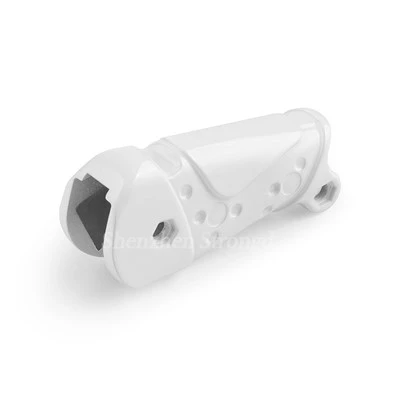

What materials are used for surgical robot arms?
In the realm of modern medicine, surgical robots have emerged as revolutionary tools, offering enhanced precision, flexibility, and minimally invasive capabilities. At the heart of these sophisticated machines are their robot arms, which are engineered with a meticulous selection of materials to ensure optimal performance, reliability, and patient safety. As a Surgical Robots Parts supplier, we understand the critical importance of material choice in the construction of these vital components. In this blog, we will explore the various materials commonly used for surgical robot arms and their unique properties.
Metals
Metals are the cornerstone of surgical robot arm construction, providing strength, durability, and precision. Among the most commonly used metals are stainless steel, titanium, and aluminum.
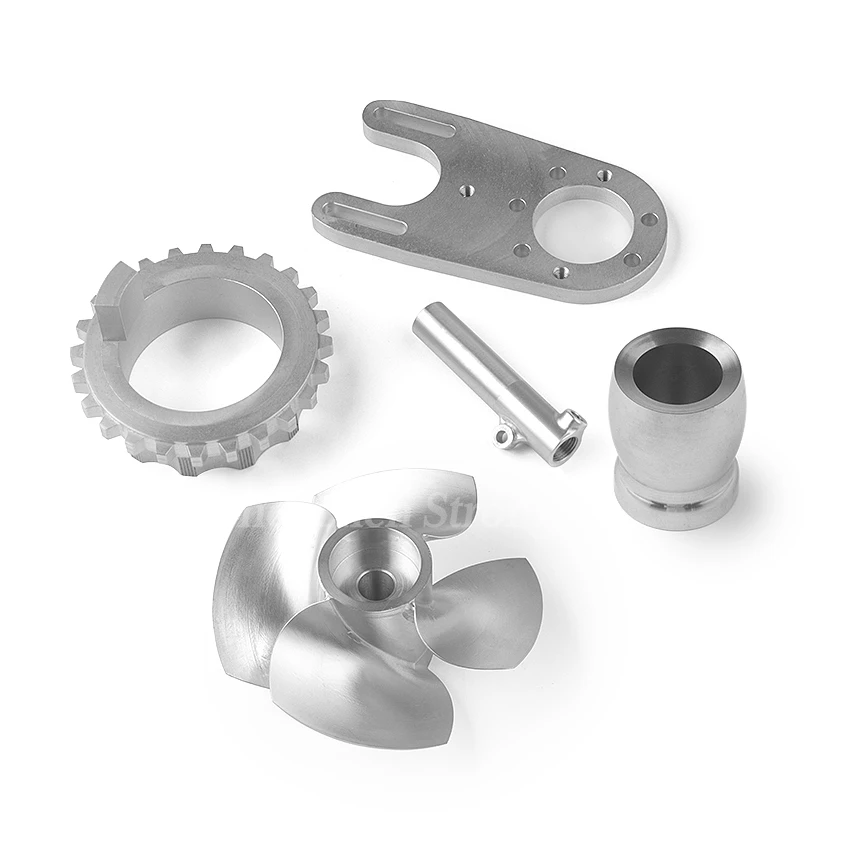
Stainless steel is a popular choice due to its excellent corrosion resistance, high strength-to-weight ratio, and biocompatibility. It is often used in the construction of the outer casing and structural components of the robot arm, providing a robust and reliable framework. The Robot Metal Parts Manufacturing process for stainless steel components involves advanced machining techniques to ensure precise dimensions and smooth surfaces, which are essential for the proper functioning of the robot arm.
Titanium is another metal widely used in surgical robot arms. It is known for its exceptional strength, low density, and excellent biocompatibility. Titanium components are often used in areas where high strength and light weight are required, such as the joints and linkages of the robot arm. The use of titanium helps to reduce the overall weight of the arm, allowing for greater maneuverability and less fatigue on the robotic system. Moreover, its biocompatibility makes it suitable for applications where the robot arm may come into contact with the patient's body. The Metal Robot Body Parts made from titanium are fabricated using specialized techniques to maintain the integrity of the material's properties.
Aluminum is valued for its lightweight nature and good thermal conductivity. It is commonly used in the construction of heat sinks and some non - load - bearing components of the robot arm. The lightweight property of aluminum helps to improve the energy efficiency of the robot, while its thermal conductivity aids in dissipating heat generated during operation, preventing overheating and ensuring the long - term stability of the robotic system.
Polymers
Polymers play a significant role in the construction of surgical robot arms, offering a range of benefits such as flexibility, insulation, and shock absorption.
Polycarbonate is a high - performance polymer known for its transparency, impact resistance, and dimensional stability. It is often used in the fabrication of protective covers and enclosures for the robot arm's electronic components. These covers provide a clear view of the internal components for maintenance and monitoring purposes while protecting them from physical damage and environmental contaminants.
Polyurethane is a versatile polymer that can be formulated to have different properties, such as hardness, flexibility, and abrasion resistance. In surgical robot arms, polyurethane is used in the production of seals, gaskets, and some soft - touch components. The seals and gaskets help to prevent the ingress of dust, moisture, and other contaminants into the sensitive parts of the robot arm, ensuring its proper operation. The soft - touch components made of polyurethane enhance the user experience by providing a comfortable grip for the operators.
Composites
Composites are materials made by combining two or more different materials to achieve specific properties. In the context of surgical robot arms, carbon fiber composites are particularly notable.
Carbon fiber composites are composed of carbon fibers embedded in a polymer matrix. They offer an outstanding strength - to - weight ratio, high stiffness, and excellent fatigue resistance. These properties make carbon fiber composites ideal for use in the construction of the long, slender arms of surgical robots, where minimizing weight while maintaining high strength and stiffness is crucial. The use of carbon fiber composites allows the robot arms to reach greater distances and perform more delicate maneuvers with enhanced precision.
Ceramics
Ceramics are also used in certain applications within surgical robot arms. Zirconia ceramics, for example, are known for their high hardness, wear resistance, and biocompatibility. They are often used in the production of bearings and some small, high - precision components. The high hardness of zirconia ceramics ensures long - lasting performance, even under high - stress conditions, while their biocompatibility makes them suitable for use in medical devices.
Smart Materials
In recent years, the use of smart materials in surgical robot arms has been on the rise. Shape memory alloys (SMAs) are one such type of smart material. SMAs can change their shape in response to temperature or stress. In surgical robot arms, SMAs can be used in the design of actuators, allowing for more precise and controlled movement. For example, a SMA - based actuator can be programmed to contract or expand at specific temperatures, enabling the robot arm to perform complex motions with high accuracy.
Piezoelectric materials are another type of smart material used in surgical robot arms. These materials generate an electric charge when subjected to mechanical stress and vice versa. Piezoelectric sensors can be integrated into the robot arm to detect forces and vibrations during surgery, providing real - time feedback to the operator. This feedback is essential for ensuring the safety and effectiveness of the surgical procedure.
As a Surgical Robots Parts supplier, we are committed to providing high - quality parts made from the best - suited materials for surgical robot arms. Our Surgical Robots Parts are manufactured using state - of - the - art processes and strict quality control measures to meet the demanding requirements of the medical industry.

If you are in the market for surgical robot parts, we invite you to reach out to us for a detailed discussion. Our team of experts is ready to assist you in selecting the right materials and parts for your specific surgical robot applications. Whether you are looking for a single component or a complete set of parts, we can provide customized solutions to meet your needs. Contact us today to start a fruitful partnership in the advancement of surgical robotics.
References
- Ashby, M. F. (2005). Materials Selection in Mechanical Design. Butterworth - Heinemann.
- Callister, W. D., & Rethwisch, D. G. (2010). Materials Science and Engineering: An Introduction. Wiley.
- Bronzino, J. D. (2006). The Biomedical Engineering Handbook. CRC Press.