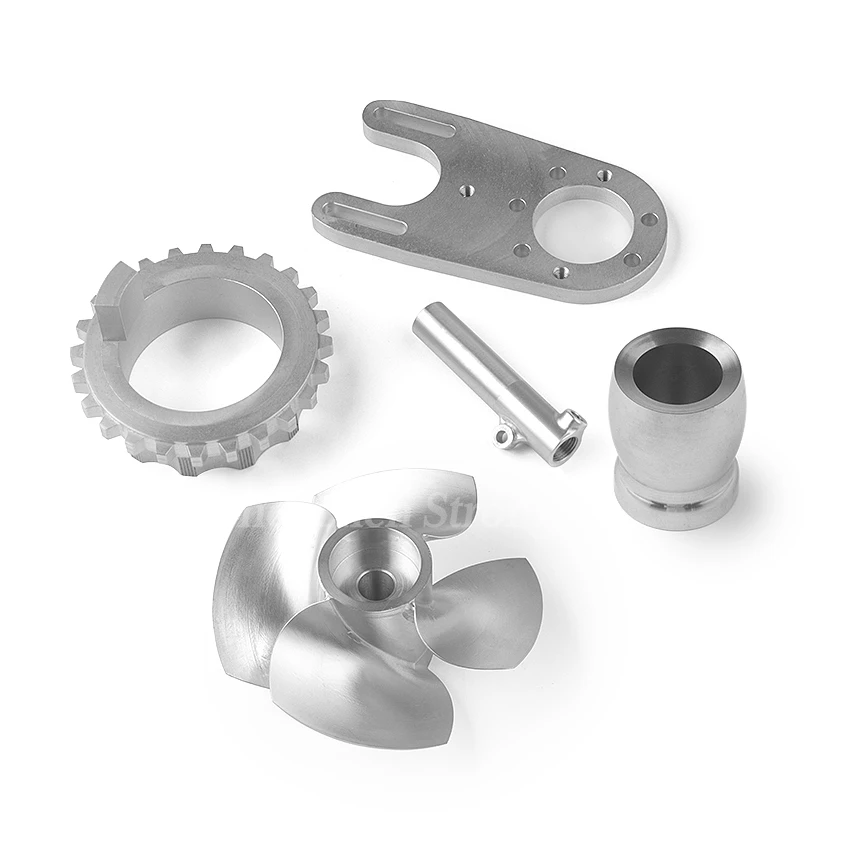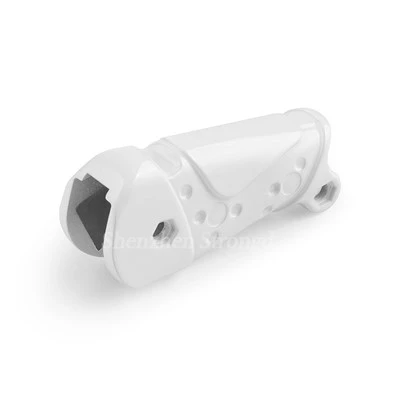

Hey there! I'm a supplier of Plastic Robot Shells, and today I want to dig into a question that's been buzzing around in the industry: Are plastic robot shells resistant to fungi?
First off, let's talk about why this matters. Fungi can be a real pain in the neck for all sorts of materials. They can cause discoloration, weaken the structure, and even lead to a whole host of other problems. When it comes to robots, especially those used in environments where moisture and organic matter are present, like in food processing plants or outdoor surveillance, the threat of fungal growth on plastic robot shells is a big deal.
Plastic is a versatile material, and there are different types of plastics used in making robot shells. Common ones include ABS (Acrylonitrile Butadiene Styrene), polycarbonate, and polyethylene. Each of these plastics has its own properties, and their resistance to fungi can vary.
ABS is a popular choice for robot shells because it's strong, durable, and has a good balance of stiffness and toughness. But is it resistant to fungi? Well, on its own, ABS isn't inherently resistant to fungal growth. Fungi need certain conditions to thrive - moisture, a food source, and the right temperature. ABS can absorb some moisture over time, especially in humid environments. And if there are any organic contaminants on the surface of the ABS shell, fungi can use them as a food source. However, manufacturers can take steps to make ABS more resistant to fungi. They can add fungicides or antimicrobial agents during the manufacturing process. These additives can help prevent fungal growth by either killing the fungi or inhibiting their growth.
Polycarbonate is another plastic commonly used in robot shells. It's known for its high impact resistance and optical clarity. Similar to ABS, polycarbonate isn't naturally resistant to fungi. But again, with the addition of appropriate additives, its resistance can be improved. Polycarbonate is also more prone to scratching compared to some other plastics. Scratches on the surface can provide hiding places for fungi, making it easier for them to establish colonies. So, proper surface treatment and maintenance are crucial to keep polycarbonate robot shells fungus - free.
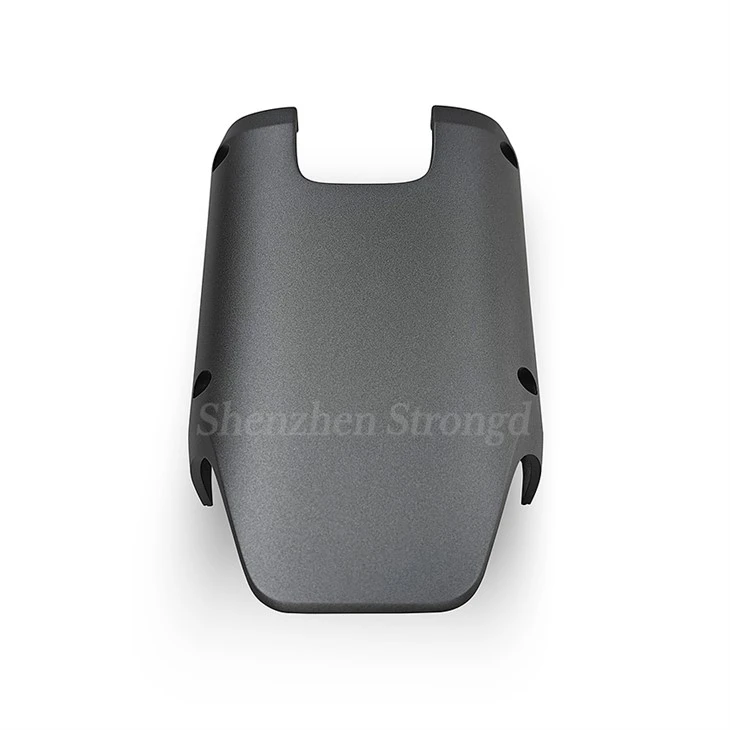

Polyethylene is a lightweight and flexible plastic. It has a relatively low water absorption rate compared to ABS and polycarbonate. This means that it's less likely to provide the moisture that fungi need to grow. However, it's not completely immune. If there are organic substances on the surface of a polyethylene robot shell, fungi can still grow. And just like with other plastics, adding fungicidal additives can enhance its resistance.
Now, let's talk about the manufacturing process. At [our company], we're really into Robotic Parts Manufacturing. We know that the way we make our plastic robot shells can have a big impact on their resistance to fungi. During the injection molding process, for example, we make sure to keep the molds clean. Any dirt or organic matter in the molds can end up on the finished shell, providing a potential food source for fungi. We also pay close attention to the cooling process. If the shells cool too slowly, they may absorb more moisture, increasing the risk of fungal growth.
Surface finish is another important factor. A smooth surface is less likely to harbor fungi compared to a rough one. We use advanced finishing techniques to ensure that our Plastic Robot Shell have a smooth and even surface. This not only makes it harder for fungi to attach but also makes the shells easier to clean.
When it comes to the environment where the robots are used, that plays a huge role in fungal growth. In a dry, clean environment, the risk of fungal growth on plastic robot shells is much lower. But in a damp, dirty place, like a sewage treatment plant or a greenhouse, the risk is significantly higher. In these high - risk environments, it's even more important to choose plastic robot shells with good fungal resistance.
We also offer a range of Plastic Robot Body Parts that are designed with fungal resistance in mind. Whether it's a small component or a full - fledged shell, we take the necessary steps to ensure that our products can withstand the threat of fungi.
So, are plastic robot shells resistant to fungi? The answer is that it depends. Without proper treatment and in the right conditions, plastic robot shells can be vulnerable to fungal growth. But with the right additives, manufacturing processes, and surface treatments, we can make them highly resistant.
If you're in the market for high - quality plastic robot shells that are designed to resist fungi, we'd love to talk to you. Whether you're building robots for industrial use, research, or any other application, we have the expertise and products to meet your needs. Get in touch with us to start a conversation about your requirements and how we can provide the best solutions for your robotic projects.
References
- "Plastics in Robotics: Properties and Applications" - A technical guide on plastics used in the robotics industry.
- "Fungal Growth on Polymer Surfaces: Causes and Prevention" - A research paper on the factors affecting fungal growth on plastic materials.
- "Advanced Manufacturing Techniques for Robotic Parts" - A book that covers the latest manufacturing processes for robotic components.