
As a supplier of CNC robot arms, I've been keeping a close eye on the industry trends. In this blog, I'll share what I think are the future trends for CNC robot arms.
1. Increased Integration with AI and Machine Learning
One of the most significant trends we're seeing is the increased integration of CNC robot arms with artificial intelligence (AI) and machine learning (ML). AI and ML algorithms can enable robot arms to learn from experience, adapt to new situations, and make decisions on the fly.
For example, in a manufacturing setting, a CNC robot arm equipped with AI can analyze real - time data from sensors on the production line. It can detect defects in products, adjust its movements to optimize the manufacturing process, and even predict when maintenance is required. This not only improves the quality of the products but also increases the efficiency of the entire production line.
The ability to learn and adapt also means that robot arms can handle more complex tasks. They can work alongside human workers more effectively, as they can understand and respond to the changing needs of the workplace. For instance, in a collaborative manufacturing environment, a robot arm can learn the working habits of human colleagues and adjust its operations accordingly to avoid collisions and improve overall productivity.
2. Miniaturization and Portability
Another trend is the miniaturization and portability of CNC robot arms. As technology advances, we're seeing smaller and more lightweight robot arms that can be easily moved around and used in different settings.
Miniature robot arms are ideal for applications where space is limited, such as in electronics manufacturing or in laboratories. They can perform delicate tasks with high precision, like soldering tiny components on circuit boards. These small - sized robot arms are also more energy - efficient, which is a big plus in today's environmentally - conscious world.
Portability is also a key factor. Portable robot arms can be quickly deployed to different workstations or even taken to different locations. This flexibility allows businesses to adapt to changing production requirements without having to invest in large, fixed - location equipment. For example, in a mobile repair unit, a portable CNC robot arm can be used to repair complex machinery on - site, saving time and money.
3. Enhanced Safety Features
Safety is always a top concern when it comes to working with robot arms. In the future, we can expect to see even more advanced safety features in CNC robot arms.
New sensor technologies are being developed to make robot arms more aware of their surroundings. For example, 3D vision sensors can detect the presence of humans or other objects in the robot's workspace and automatically slow down or stop the robot's movement to prevent collisions. Force - sensing technology is also improving, allowing robot arms to detect when they are applying too much force and adjust accordingly.
In addition to hardware - based safety features, software - based safety protocols are also becoming more sophisticated. These protocols can monitor the robot's behavior in real - time and detect any abnormal movements or malfunctions. If a problem is detected, the robot can be immediately shut down or put into a safe mode to prevent accidents.
4. Customization and Modularity
Customers are increasingly looking for customized solutions when it comes to CNC robot arms. In the future, we'll see more options for customization and modularity.
Robot arms can be customized to meet specific application requirements. For example, a customer in the food industry may need a robot arm with special hygienic coatings and a gripper designed to handle delicate food products. By offering customization options, suppliers can better meet the diverse needs of different industries.
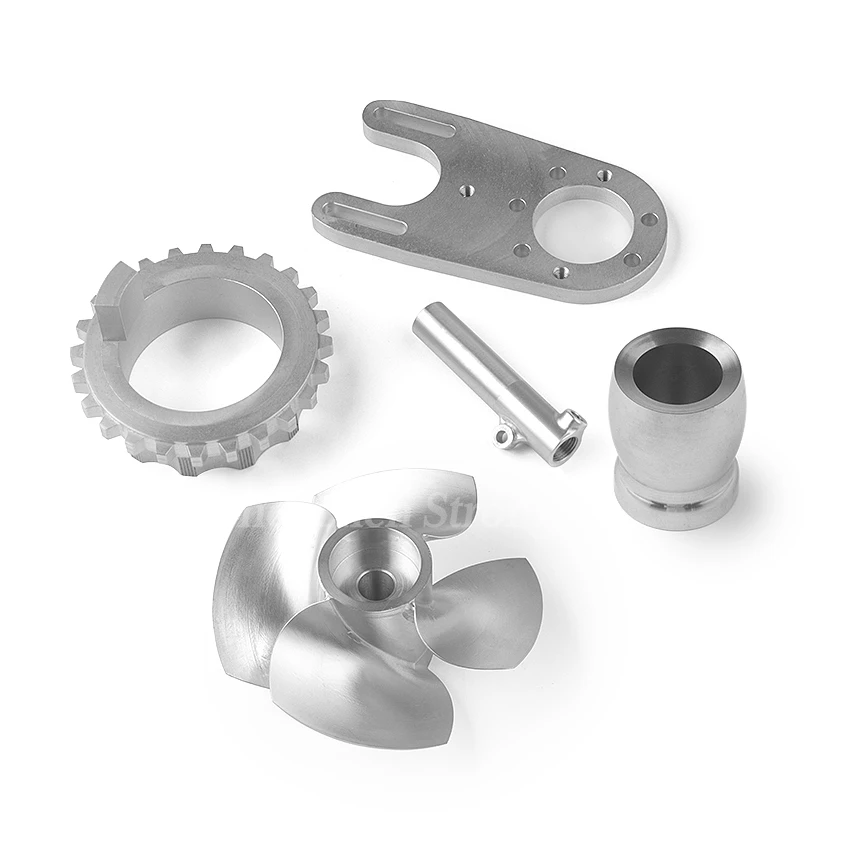
Modularity is also an important aspect. A modular robot arm consists of interchangeable components that can be easily replaced or upgraded. This means that if a particular part of the robot arm becomes obsolete or damaged, it can be quickly swapped out without having to replace the entire robot. This not only reduces downtime but also makes it more cost - effective for businesses to keep their robot arms up - to - date. For instance, you can find various modular parts for robot arms at Robotic Parts Manufacturing.
5. Improved Connectivity and Internet of Things (IoT) Integration
The Internet of Things (IoT) is revolutionizing the way we interact with technology, and CNC robot arms are no exception. In the future, robot arms will be more connected than ever before.
Connectivity allows robot arms to communicate with other devices in the production environment. For example, a robot arm can be connected to a central control system, which can monitor its performance, collect data, and send commands. This enables real - time monitoring and control of the robot arm, improving overall efficiency and productivity.
IoT integration also means that robot arms can be part of a larger smart factory ecosystem. They can exchange data with other machines, such as conveyor belts, sensors, and quality control systems. This data exchange can help optimize the entire production process, from raw material intake to finished product output. For example, a robot arm can receive information from a quality control sensor about the quality of a product and adjust its operations to improve the manufacturing process for subsequent products.


6. Use of New Materials
The materials used in CNC robot arms are also evolving. In the future, we'll see the use of new and advanced materials that offer better performance.
For example, carbon fiber composites are becoming more popular in robot arm construction. These materials are lightweight yet strong, which allows robot arms to move faster and with less energy consumption. They also have good vibration - damping properties, which can improve the precision of the robot's movements.
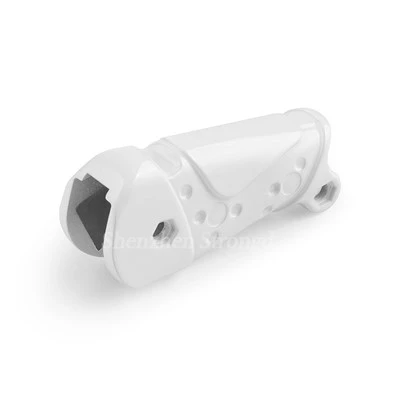
Plastic materials are also being used in new ways. Plastic Robot Shell and Plastic Robot Body Parts are not only cost - effective but can also be designed to have specific properties, such as high impact resistance or chemical resistance. This makes them suitable for a wide range of applications, from harsh industrial environments to clean - room settings.
Connect with Us for Your CNC Robot Arm Needs
If you're interested in exploring the latest trends in CNC robot arms and finding the right solution for your business, we'd love to hear from you. As a supplier, we're committed to providing high - quality, innovative robot arms that meet your specific requirements. Whether you need a customized solution, a portable robot arm, or one with advanced safety features, we have the expertise and products to help you. Contact us to start a discussion about your needs and let's work together to take your business to the next level.
References
- Industry reports on robotics and automation
- Research papers on artificial intelligence and machine learning in robotics
- Technical specifications of leading CNC robot arm manufacturers