
Hey there! As a 3D printing supplier, I've been getting a ton of questions lately about whether 3D printing can be used for creating lighting fixtures. Well, let me tell you, the answer is a resounding yes! In this blog post, I'm gonna dive deep into how 3D printing is revolutionizing the lighting industry.
First off, let's talk about why 3D printing is such a game - changer for lighting fixtures. Traditional manufacturing methods for lighting, like injection molding or casting, have their limitations. They often require expensive molds, which can be a huge barrier, especially for small - scale production or custom designs. With 3D printing, you can skip the whole mold - making process. You just need a digital design file, and you're good to go.
One of the coolest things about 3D printing is the level of customization it offers. When it comes to lighting, people have all sorts of unique ideas. Maybe they want a chandelier that looks like a galaxy, or a wall sconce in the shape of a mythical creature. With 3D printing, these wild ideas can become a reality. You can easily modify the digital design to create one - of - a - kind lighting pieces that stand out from the mass - produced stuff you see in stores.


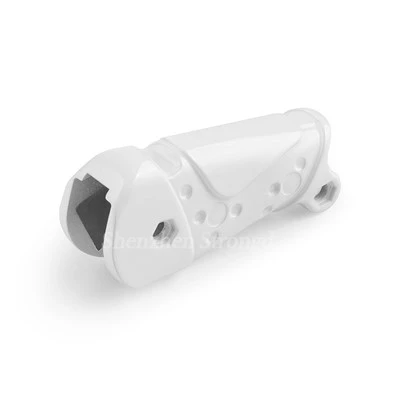
Now, let's get into the different 3D printing technologies that are commonly used for lighting fixtures. One popular method is Selective Laser Sintering (SLS). SLS 3D Printing Nylon Parts ["/3d - printing/sls - 3d - printing - service/sls - 3d - printing - nylon - parts.html"] are great for lighting because nylon has some awesome properties. It's strong, durable, and can handle the heat generated by light bulbs. Plus, SLS allows for the creation of complex geometries. You can make intricate lattice structures or thin, delicate features that would be really hard to achieve with other manufacturing techniques.
Nylon SLS Printing ["/3d - printing/sls - 3d - printing - service/nylon - sls - printing.html"] also gives you a lot of flexibility in terms of finishing. You can sand, paint, or coat the printed parts to get the exact look you want. Whether you're going for a matte, glossy, or metallic finish, it's all possible.
Another technology that's making waves is Fused Deposition Modeling (FDM). FDM is more accessible and cost - effective, which makes it a great option for prototyping or small - batch production. You can use a variety of plastics with FDM, like PLA or ABS. These materials are lightweight and can be printed in different colors, so you can experiment with different lighting effects. For example, you could print a diffuser for a lamp in a translucent plastic to create a soft, warm glow.
But 3D printing isn't just about the aesthetics. It also has some practical benefits for lighting fixtures. For instance, you can optimize the design for better heat dissipation. By using 3D printing, you can create internal channels or fins in the fixture that help to move heat away from the light source. This can extend the lifespan of the bulbs and improve the overall performance of the lighting.
When it comes to the production process, 3D printing is also more environmentally friendly compared to traditional manufacturing. There's less waste because you only use the material that's needed for the print. And if you make a mistake or need to modify a design, you can just adjust the digital file and print again, without having to scrap a whole mold or a large batch of parts.
Now, let's talk about some real - world examples of 3D - printed lighting fixtures. There are a bunch of designers out there who are pushing the boundaries with this technology. Some are creating pendant lights that look like floating sculptures. These lights are made up of multiple 3D - printed parts that are assembled together to form a stunning visual display. Others are making table lamps with complex geometric patterns that cast interesting shadows on the walls.
In addition to custom and artistic lighting, 3D printing is also being used in commercial lighting applications. For example, in architectural lighting, 3D - printed fixtures can be tailored to fit the specific design requirements of a building. They can be integrated seamlessly into the interior or exterior design, providing both functionality and style.
But like any technology, 3D printing for lighting fixtures also has its challenges. One of the main issues is the production speed. Printing large or complex lighting pieces can take a long time, especially if you're using high - resolution settings. This can be a problem if you have a tight deadline. However, as the technology improves, the printing speed is gradually increasing.
Another challenge is the cost of materials. Some of the high - performance plastics and powders used in 3D printing can be quite expensive. But as the demand for 3D - printed products grows, the prices of these materials are likely to come down.
Despite these challenges, the future of 3D - printed lighting fixtures looks really bright. With the continuous advancements in 3D printing technology, we can expect to see even more innovative and high - quality lighting products in the market.
If you're in the market for unique lighting fixtures or you're a designer looking to bring your lighting ideas to life, 3D printing is definitely worth considering. Whether you need a single custom piece or a large - scale production run, we've got the expertise and the technology to make it happen.
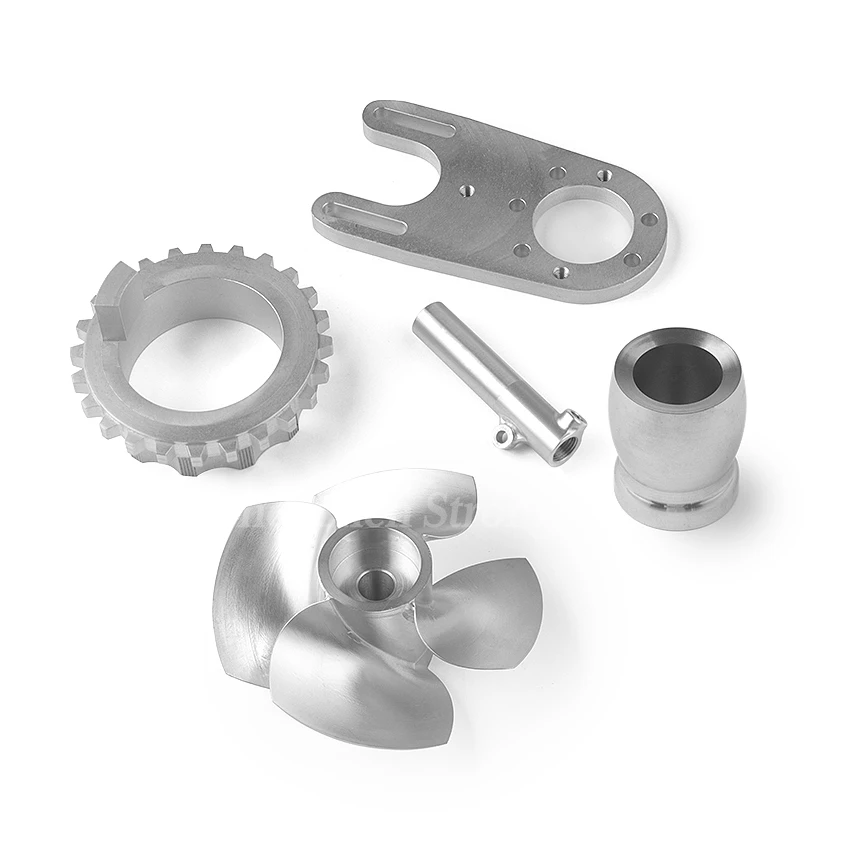
And if you're interested in other related products, check out our CNC Turning Metal Parts ["/cnc - machining/cnc - parts/cnc - turning - metal - parts.html"]. These can be used in combination with 3D - printed parts to create even more robust and stylish lighting fixtures.
If you have any questions or want to discuss your lighting project, don't hesitate to reach out. We're here to help you turn your lighting dreams into a reality. Whether it's a simple lamp design or a complex chandelier, we've got the skills and the technology to make it happen. So, let's start a conversation and see what we can create together!
References
- Gibson, I., Rosen, D. W., & Stucker, B. (2015). Additive Manufacturing Technologies: 3D Printing, Rapid Prototyping, and Direct Digital Manufacturing. Springer.
- Wohlers, T., & Wohlers, T. T. (2020). Wohlers Report 2020: 3D Printing and Additive Manufacturing State of the Industry. Wohlers Associates.