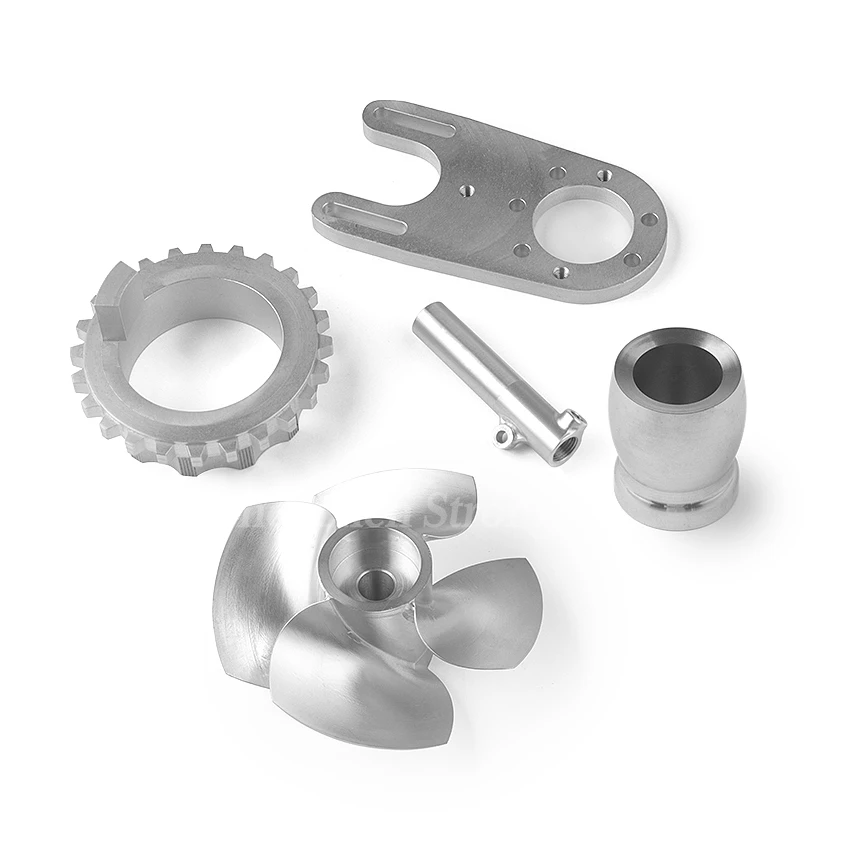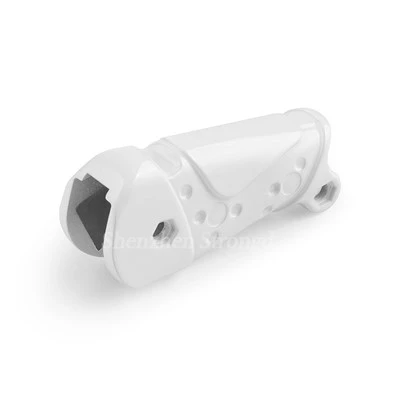

Hey there! As a supplier of CNC parts, I've seen firsthand the amazing capabilities of CNC machining. It's a technology that's revolutionized the manufacturing industry, allowing for high precision, efficiency, and consistency in producing all sorts of parts. But like any manufacturing process, it's not without its limitations. In this blog post, I'm gonna break down some of the key limitations of CNC parts production that you should be aware of.


High Initial Investment
One of the biggest hurdles when it comes to CNC parts production is the high initial investment. Setting up a CNC machining shop requires a significant amount of capital. You've got to shell out for the CNC machines themselves, which can range from a few thousand dollars for a basic model to hundreds of thousands for more advanced, multi - axis machines.
On top of that, there are other costs like software for programming the machines, tooling, and fixtures. You also need to have a proper workspace, which might involve renovating an existing facility or renting a new one. And let's not forget about training your staff to operate these complex machines. All these upfront costs can be a real deterrent, especially for small businesses or startups looking to get into CNC parts production. For example, if you're aiming to produce CNC Auto Car Parts, the investment in specialized CNC equipment for automotive - grade precision can be astronomical.
Complex Programming
CNC machines rely on computer - aided manufacturing (CAM) software to operate. Programming these machines is no walk in the park. It requires a high level of technical expertise and knowledge of the software. Even a small error in the programming can lead to significant issues in the final product, such as incorrect dimensions or poor surface finish.
The programming process can be time - consuming, especially for complex parts. You've got to account for things like tool paths, cutting speeds, and feed rates. And as new designs and geometries come up, the programming has to be adjusted accordingly. If you're producing CNC Machining ABS Plastic Robot Parts, which often have intricate shapes and tight tolerances, the programming can be extremely challenging. This complexity can slow down the production process and increase the chances of human error.
Limited Material Compatibility
While CNC machining can work with a wide range of materials, there are still some limitations. Certain materials are difficult to machine using CNC processes. For example, extremely hard materials like tungsten carbide or very soft and sticky materials like some types of rubber can pose problems.
Hard materials can quickly wear out the cutting tools, increasing tooling costs and reducing the accuracy of the machining. Soft and sticky materials tend to clog the cutting tools, leading to poor surface finish and potential damage to the parts. Additionally, some materials may require special handling or machining techniques, which can add to the complexity and cost of production. If you're considering producing CNC Lathe Turning Parts from a unique or challenging material, you need to carefully evaluate whether CNC machining is the right option.
Production Speed for Small Batches
CNC machining is great for high - volume production. Once the machine is set up and programmed, it can churn out parts with high precision and consistency. However, when it comes to small - batch production, the process can be relatively slow and expensive.
The setup time for CNC machines is significant. You've got to program the machine, set up the tooling, and perform test runs to ensure everything is working correctly. For small batches, this setup time can be a large portion of the total production time. As a result, the cost per part can be much higher compared to other manufacturing processes like injection molding, which is more cost - effective for small - to - medium - sized batches.
Size Limitations
CNC machines come in different sizes, but there are still practical limitations to the size of parts that can be produced. Large - scale CNC machines are expensive and require more space. If you need to produce very large parts, you may run into issues with the available machine capacity.
Even if you have access to a large CNC machine, the handling and transportation of oversized parts can be a challenge. There may be limitations in terms of the maximum size that can be loaded onto the machine and the maximum weight that the machine can handle. This can be a problem if you're looking to produce large - scale industrial components or oversized prototypes.
Surface Finish and Quality Control
While CNC machining can achieve high levels of precision, achieving a perfect surface finish can be tricky. The surface finish of a CNC - machined part depends on several factors, including the cutting tools, feed rates, and cutting speeds. Even with the best programming and setup, there can be issues like tool marks, chatter, or burrs on the surface of the part.
Quality control is also a critical aspect of CNC parts production. Inspecting each part for dimensional accuracy and surface finish takes time and resources. You need to have proper inspection equipment, such as coordinate measuring machines (CMMs), and trained personnel to perform these inspections. Ensuring consistent quality across a large number of parts can be a challenge, especially when dealing with complex geometries or tight tolerances.
Environmental Impact
CNC machining can have a significant environmental impact. The cutting fluids used in the machining process can be harmful to the environment if not properly managed. These fluids can contain chemicals that are toxic to aquatic life and can contaminate soil and water sources.
Additionally, the energy consumption of CNC machines is relatively high, especially for large - scale or multi - axis machines. As the demand for sustainable manufacturing practices grows, these environmental concerns are becoming more important. Manufacturers need to invest in proper waste management systems and energy - efficient equipment to reduce their environmental footprint.
Despite these limitations, CNC parts production still offers a lot of advantages, such as high precision, repeatability, and the ability to produce complex geometries. At our company, we've been working hard to overcome these challenges and provide our customers with the best - quality CNC parts. If you're in the market for CNC parts and want to discuss your specific requirements, don't hesitate to reach out. We're here to help you find the best solutions for your manufacturing needs.
References
- "Manufacturing Engineering and Technology" by Serope Kalpakjian and Steven R. Schmid
- "CNC Machining Handbook" by Mark Rehme
- Industry reports on CNC machining and manufacturing trends