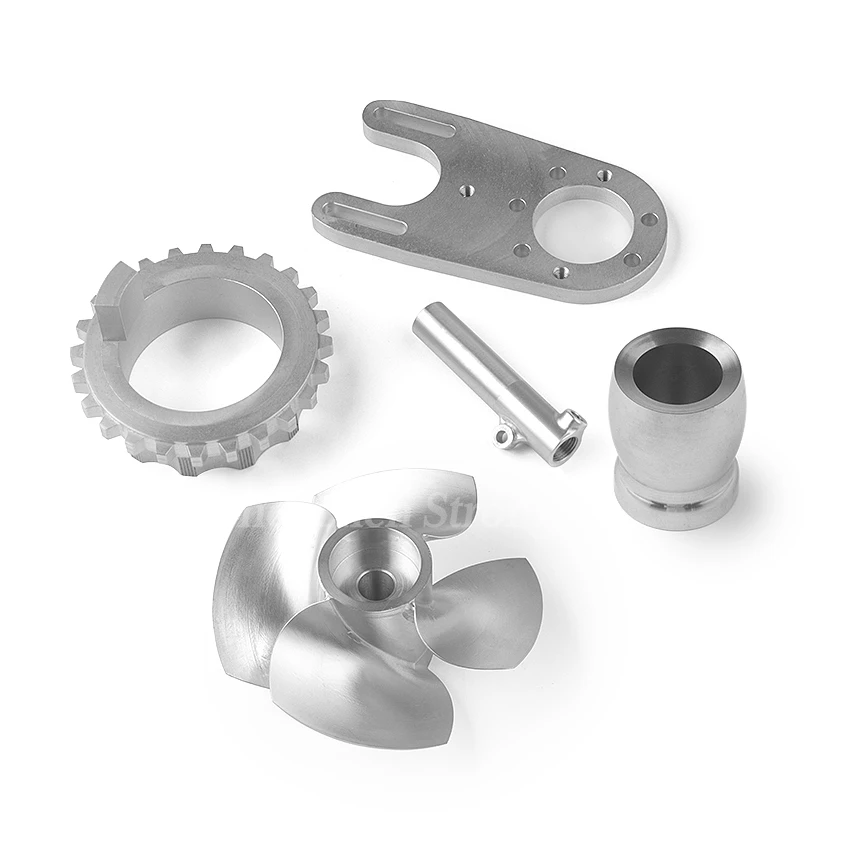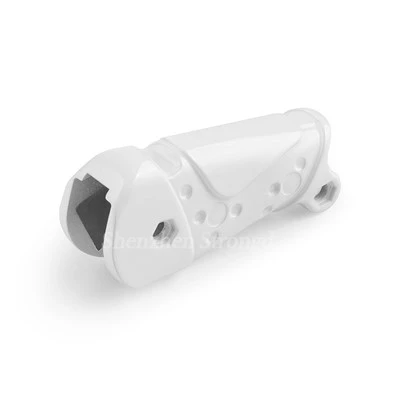

Hey there! I'm a supplier of Metal Robot Body Parts, and let me tell you, the manufacturing game is no walk in the park. There are a whole bunch of challenges that we face on a daily basis. In this blog, I'm gonna break down some of the major hurdles we encounter when making these parts.
Material Selection
One of the first and most crucial challenges is picking the right material. You can't just go with any old metal. The material has to be strong enough to withstand the rigors of the robot's movements and the environment it'll operate in. For instance, if a robot is going to be used in a high - temperature industrial setting, a heat - resistant metal like titanium or stainless steel might be the way to go. But these materials come with their own set of problems.
Titanium is super strong and lightweight, which is great for robots as it can reduce the overall weight and increase mobility. However, it's also extremely expensive. The extraction and processing of titanium are complex and energy - intensive processes. This drives up the cost of manufacturing, and we, as suppliers, have to find a balance between using high - quality materials and keeping the prices reasonable for our customers.
On the other hand, stainless steel is more affordable and has good corrosion resistance. But it's heavier than titanium. If a robot needs to be highly agile, the extra weight of stainless steel parts can slow it down. So, we need to consider the robot's specific requirements and the trade - offs between different materials. You can learn more about the manufacturing process of these parts at Robot Metal Parts Manufacturing.
Precision Machining
Precision is key when it comes to manufacturing metal robot body parts. These parts need to fit together perfectly to ensure the smooth operation of the robot. Even the slightest deviation can cause problems. For example, if a joint part doesn't fit correctly, the robot might not be able to move its arm or leg properly.


We use advanced machining techniques like CNC (Computer Numerical Control) machining to achieve the required precision. But even with these high - tech tools, there are challenges. The cutting tools wear out over time, which can affect the accuracy of the machining. We have to constantly monitor and replace the cutting tools to maintain the quality of the parts.
Another issue is the thermal expansion of the metal during the machining process. As the metal heats up due to the cutting forces, it expands. This can lead to dimensional inaccuracies in the parts. To counter this, we use cooling systems during machining, but it's still a delicate balance to maintain the right temperature and prevent any thermal - related issues. You can find detailed information about humanoid robot joint parts at Humanoid Robot Joint Parts.
Surface Finish
The surface finish of metal robot body parts is not just about aesthetics; it also affects the functionality. A rough surface can cause increased friction, which can lead to wear and tear of the parts over time. This reduces the lifespan of the robot and increases maintenance costs.
We use various techniques to achieve a smooth surface finish, such as grinding, polishing, and electroplating. However, these processes are time - consuming and add to the overall manufacturing cost. For example, electroplating involves dipping the parts in a chemical solution and applying an electric current to deposit a thin layer of metal on the surface. This process requires careful control of the chemical composition, temperature, and current to ensure a uniform and high - quality finish.
In addition, different applications may require different surface finishes. A robot that operates in a cleanroom environment may need a very smooth and non - porous surface to prevent the accumulation of dust and contaminants. On the other hand, a robot used in a more rugged outdoor environment may need a surface finish that provides better protection against corrosion and abrasion. You can explore a wide range of metal robot body parts at Metal Robot Body Parts.
Quality Control
Maintaining high - quality standards is a constant challenge in the manufacturing of metal robot body parts. We have to ensure that every part meets the specified requirements before it leaves our factory. This involves a series of inspections at different stages of the manufacturing process.
We use both manual and automated inspection methods. Manual inspections are done by trained technicians who visually examine the parts for any obvious defects. However, manual inspections can be subjective, and it's easy to miss small defects. Automated inspection systems, such as coordinate measuring machines (CMMs), can provide more accurate and objective measurements. But these systems are expensive to purchase and maintain.
In addition, as the complexity of the robot parts increases, the inspection process becomes more difficult. For example, parts with internal channels or complex geometries are harder to inspect. We need to develop new inspection techniques and use advanced software to analyze the data collected during the inspection process.
Supply Chain Management
The supply chain for manufacturing metal robot body parts is complex. We rely on a network of suppliers for raw materials, components, and equipment. Any disruption in the supply chain can cause delays in our production.
For instance, if there's a shortage of a particular type of metal due to mining issues or trade restrictions, we may not be able to get the raw material we need on time. This can halt our production and lead to missed delivery deadlines for our customers.
We also have to deal with the transportation of these materials and parts. Shipping costs can be a significant expense, especially for large and heavy metal parts. And there's always the risk of damage during transportation, which can further increase our costs.
Design and Customization
Robots come in all shapes and sizes, and each application may require a unique design. Customers often come to us with specific requirements for their robot body parts. Designing and manufacturing custom - made parts is a challenge because it requires a lot of engineering expertise and time.
We have to work closely with our customers to understand their needs and develop a design that meets their specifications. This involves creating detailed 3D models and running simulations to ensure the functionality of the parts. Any changes in the design during the prototyping phase can be costly and time - consuming.
Moreover, as technology advances, the design requirements for robot parts are constantly evolving. We need to stay up - to - date with the latest trends and technologies in robotics to be able to offer innovative solutions to our customers.
Cost - Benefit Analysis
At the end of the day, we have to make sure that our manufacturing processes are cost - effective. All the challenges I've mentioned above add to the cost of production. We need to find ways to reduce costs without compromising on the quality of the parts.
This requires a careful cost - benefit analysis. For example, we may consider using alternative manufacturing methods or materials that are more affordable. But we have to ensure that these alternatives still meet the performance requirements of the robot.
We also need to optimize our production processes to increase efficiency. This could involve streamlining our operations, reducing waste, and improving the utilization of our equipment.
Conclusion
Manufacturing metal robot body parts is a challenging but rewarding business. We face a variety of challenges in material selection, precision machining, surface finish, quality control, supply chain management, design, and cost - benefit analysis. However, by constantly innovating and finding solutions to these challenges, we're able to provide high - quality parts to our customers.
If you're in the market for metal robot body parts and want to discuss your specific requirements, feel free to reach out. We're always happy to have a chat and see how we can help you with your robot projects.
References
- "Manufacturing Engineering and Technology" by Serope Kalpakjian and Steven R. Schmid
- "Robotics: Modelling, Planning and Control" by Bruno Siciliano, Lorenzo Sciavicco, Luigi Villani, and Giuseppe Oriolo