
As a seasoned supplier of CNC parts, I often encounter a pivotal question from our clients: Can CNC parts be welded? This query isn't just a simple yes or no; it delves into the intricate world of materials, processes, and engineering principles. In this blog, I'll unpack this question, sharing insights from my years of experience in the industry.
Understanding CNC Parts
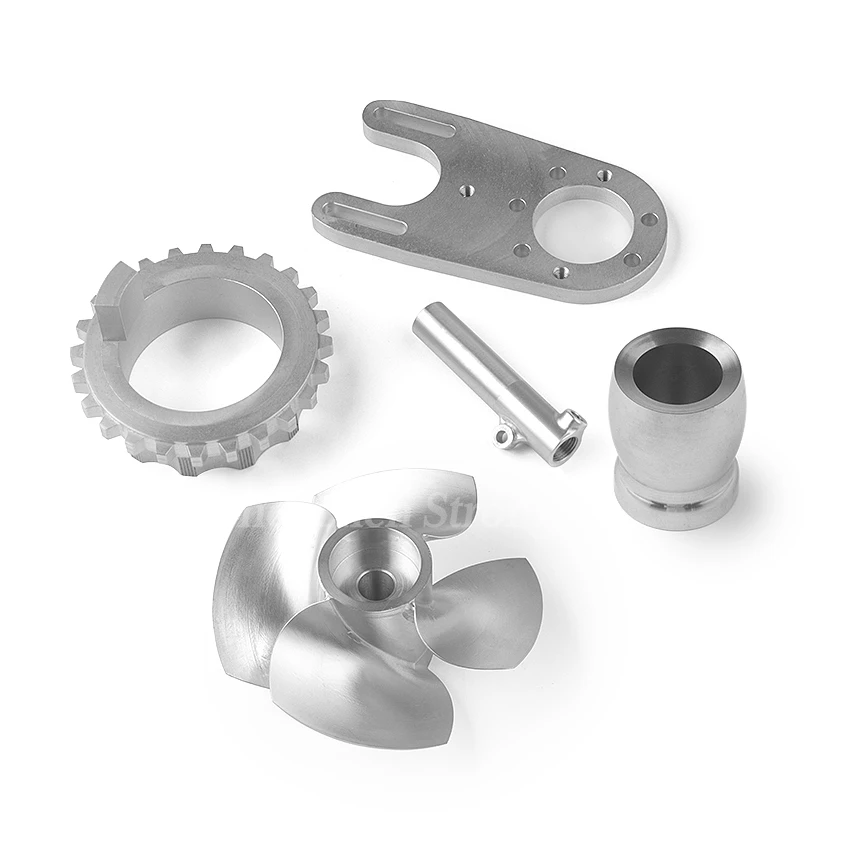
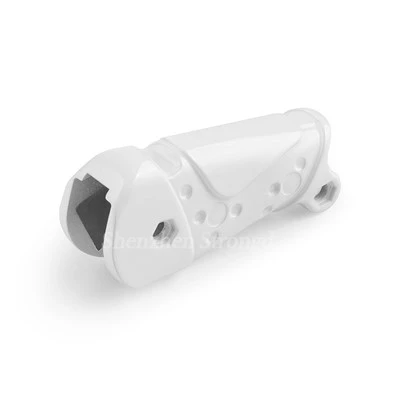
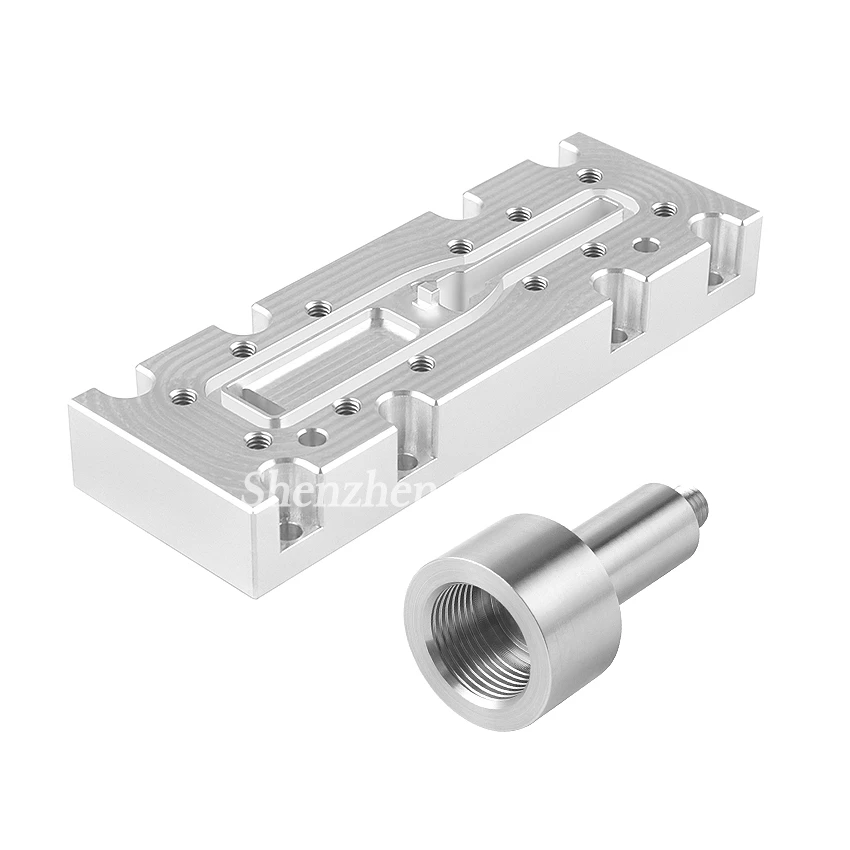
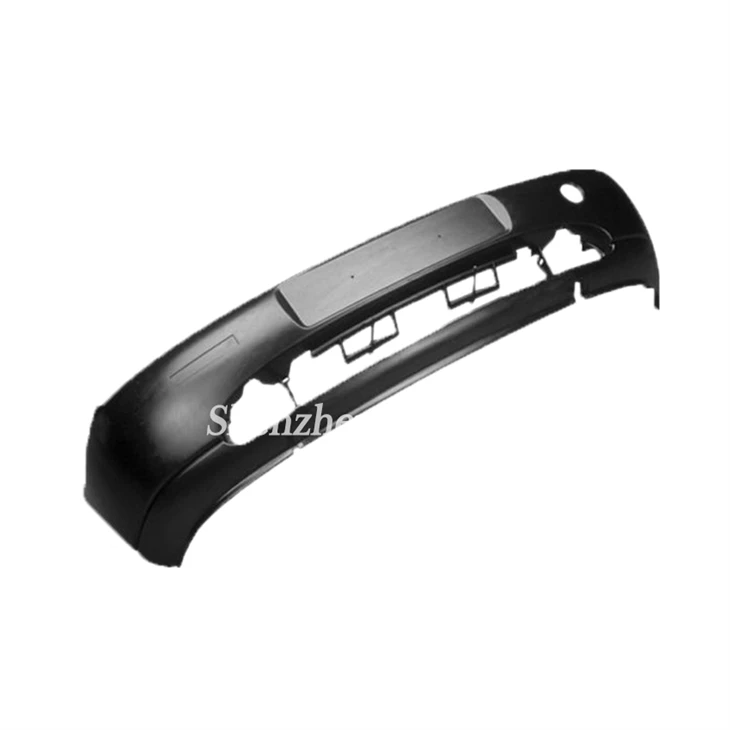
Before we jump into the welding aspect, let's briefly understand what CNC parts are. CNC, or Computer Numerical Control, is a manufacturing process where pre-programmed computer software dictates the movement of factory tools and machinery. This process can create highly precise parts from a variety of materials, including metals, plastics, and composites. At our company, we specialize in producing a wide range of CNC Machining Plastic Auto Parts, Machined Parts, and CNC Automotive Machining components. These parts are used in diverse industries, from automotive to aerospace, each with its own set of requirements and specifications.
Factors Influencing Weldability of CNC Parts
The weldability of CNC parts depends on several key factors, primarily the material used, the design of the part, and the intended application.
Material Selection
The material of the CNC part is the most critical factor in determining its weldability. Different metals have different welding characteristics. For instance, steel is one of the most weldable materials. It can be easily joined using various welding techniques such as MIG (Metal Inert Gas), TIG (Tungsten Inert Gas), and arc welding. Stainless steel, a popular choice for its corrosion resistance, also welds well, but it requires specific filler materials and techniques to prevent corrosion at the weld joint.
Aluminum, on the other hand, presents more challenges. It has a high thermal conductivity, which means it dissipates heat quickly during welding. This can lead to issues like incomplete fusion and porosity in the weld. Specialized welding processes and equipment are often required to weld aluminum successfully.
Plastic CNC parts, while not typically welded in the same sense as metals, can be joined using techniques like solvent welding, ultrasonic welding, or heat welding. These methods are used to bond plastic components together, creating a strong and durable joint.
Part Design
The design of the CNC part also plays a crucial role in its weldability. Complex geometries, thin walls, and tight tolerances can make welding more difficult. For example, parts with sharp corners or intricate shapes may require additional preparation and specialized welding techniques to ensure a proper weld. Additionally, the location of the weld joint within the part can affect its strength and integrity. Designers need to consider these factors during the part design phase to optimize weldability.
Intended Application
The intended application of the CNC part determines the quality and strength requirements of the weld. In high-stress applications, such as automotive or aerospace components, the weld must meet strict quality standards to ensure the safety and reliability of the final product. Non-destructive testing methods, such as X-ray or ultrasonic testing, may be required to inspect the weld for defects. In less critical applications, such as consumer products, the weld requirements may be less stringent.
Welding Techniques for CNC Parts
There are several welding techniques available for joining CNC parts, each with its own advantages and limitations.
MIG Welding
MIG welding is a popular choice for welding steel and aluminum CNC parts. It uses a continuous wire electrode that is fed through a welding gun, along with a shielding gas to protect the weld from oxidation. MIG welding is relatively fast and easy to learn, making it suitable for high-volume production. However, it may not be the best choice for thin materials or parts with complex geometries.
TIG Welding
TIG welding is a more precise and controlled welding process. It uses a non-consumable tungsten electrode to create an arc, and a separate filler material is added to the weld pool as needed. TIG welding produces high-quality welds with excellent appearance and strength, making it ideal for applications where aesthetics and precision are important. However, it is slower and more labor-intensive than MIG welding.
Laser Welding
Laser welding is a highly advanced welding technique that uses a focused laser beam to melt and join the materials. It offers several advantages, including high precision, minimal heat input, and the ability to weld small and delicate parts. Laser welding is commonly used in the electronics and medical industries, where tight tolerances and high-quality welds are required.
Benefits of Welding CNC Parts
Welding CNC parts offers several benefits, both in terms of manufacturing efficiency and product performance.
Cost Savings
Welding can be a cost-effective way to join CNC parts compared to other methods, such as mechanical fastening or adhesive bonding. It eliminates the need for additional hardware, reducing material and assembly costs. Additionally, welding can simplify the manufacturing process by allowing parts to be joined in a single operation, reducing labor and production time.
Improved Strength and Integrity
A well-executed weld can create a stronger and more durable joint than other joining methods. The welded joint becomes an integral part of the part, providing a continuous path for load transfer. This can improve the overall strength and integrity of the product, especially in high-stress applications.
Design Flexibility
Welding allows for greater design flexibility by enabling the joining of different shapes and sizes of CNC parts. It can be used to create complex structures and assemblies that would be difficult or impossible to achieve using other methods. This flexibility can lead to innovative product designs and improved functionality.
Challenges and Considerations
While welding offers many benefits, it also presents some challenges and considerations that need to be addressed.
Weld Quality Control
Ensuring the quality of the weld is crucial to the performance and reliability of the final product. Weld defects, such as porosity, cracks, or incomplete fusion, can compromise the strength and integrity of the joint. Quality control measures, such as pre-weld inspection, in-process monitoring, and post-weld testing, are essential to detect and correct any issues before the part is used in the final product.
Heat Affected Zone (HAZ)
During welding, the heat generated can affect the properties of the material in the area surrounding the weld joint, known as the heat affected zone (HAZ). The HAZ can experience changes in hardness, strength, and ductility, which can impact the performance of the part. Minimizing the size and impact of the HAZ is important to ensure the overall quality of the part.
Environmental Impact
Welding processes can generate fumes, gases, and waste materials that can have a negative impact on the environment. Proper ventilation and waste management systems are required to minimize these effects. Additionally, some welding techniques may use consumables, such as shielding gases and filler materials, that have environmental implications. Choosing environmentally friendly welding processes and materials can help reduce the environmental footprint of the manufacturing process.
Conclusion
In conclusion, CNC parts can be welded, but the feasibility and success of the welding process depend on several factors, including the material, design, and intended application. As a CNC parts supplier, we have the expertise and experience to guide our clients through the welding process, from material selection to final inspection. Whether you need to weld steel, aluminum, or plastic components, we can provide the solutions and support you need to achieve high-quality welds.
If you're interested in learning more about our CNC parts or discussing your welding requirements, please don't hesitate to contact us. Our team of experts is ready to assist you in finding the best solutions for your specific needs. We look forward to working with you to create high-quality, reliable CNC parts for your next project.
References
- AWS Welding Handbook, American Welding Society
- Welding Metallurgy, John C. Lippold and David A. Kotecki
- Manufacturing Engineering and Technology, S. Kalpakjian and S. R. Schmid