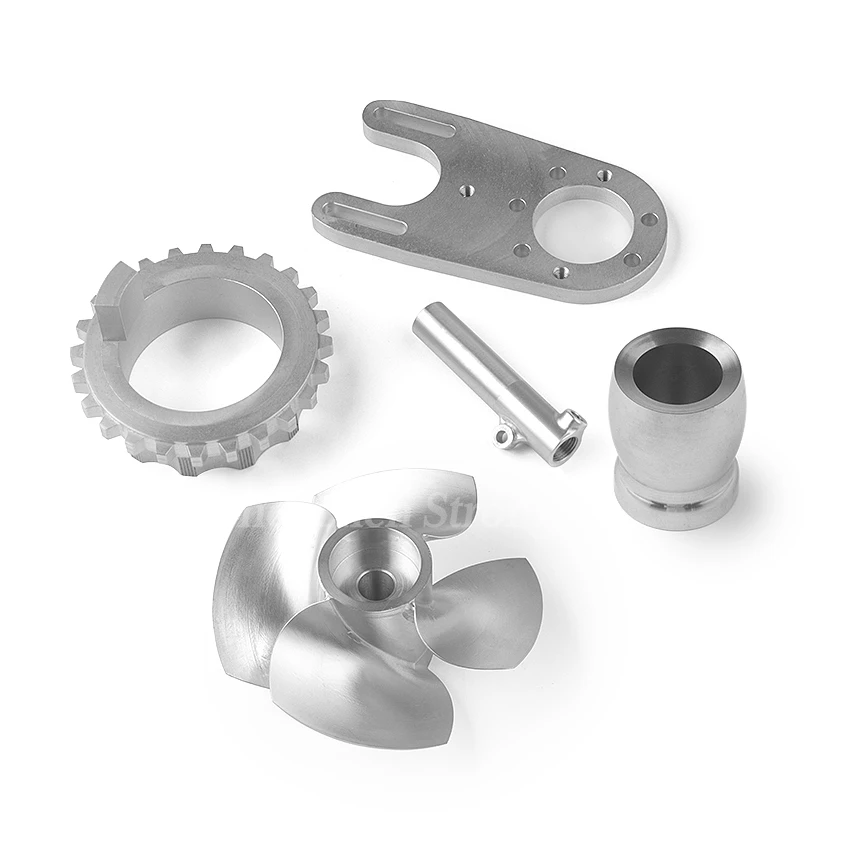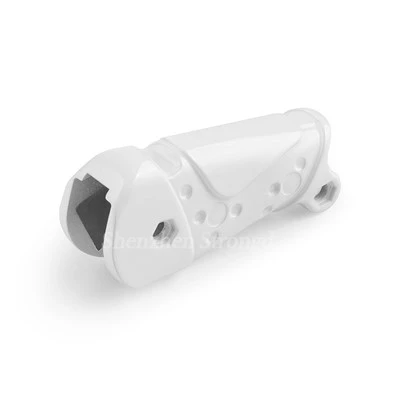

As a supplier of Vacuum Casting PC Parts, I've witnessed firsthand the intricate dance of factors that influence the appearance of these components. Understanding these elements is crucial not only for manufacturers but also for clients who rely on the aesthetic quality of the final product. In this blog, I'll delve into the key factors that can affect the appearance of vacuum - cast PC parts.
Material Quality
The quality of the Polycarbonate (PC) material used in vacuum casting is the foundation of a good - looking part. High - grade PC resins have consistent molecular structures, which result in a more uniform appearance. Impurities in the material can lead to visible defects such as streaks, bubbles, or discoloration.


Low - quality PC may contain additives or fillers that are not well - dispersed. These can cause variations in color and transparency. For example, if the filler particles are too large or not evenly distributed, they can create a cloudy or speckled appearance on the surface of the part. When sourcing PC materials, it's essential to work with reputable suppliers who can provide detailed material specifications and quality control reports.
Silicone Mould Condition
The silicone mould plays a vital role in determining the appearance of vacuum - cast PC parts. Silicone Mould Parts are used to create the shape of the final product, and any imperfections in the mould will be transferred to the part.
Over time, silicone moulds can wear out. Scratches, dents, or uneven surfaces on the mould will result in corresponding flaws on the cast part. For instance, a scratch on the mould will appear as a raised or indented line on the PC part. Additionally, if the silicone has degraded due to exposure to high temperatures or chemicals, it can cause the surface of the part to have a rough or pitted texture.
Proper maintenance of the silicone mould is crucial. Regular cleaning, storage in a suitable environment, and timely replacement of worn - out moulds are necessary steps to ensure the high - quality appearance of vacuum - cast PC parts.
Vacuum Casting Process Parameters
The vacuum casting process involves several parameters that can significantly impact the appearance of the PC parts.
Temperature
Temperature control is critical during both the mould pre - heating and the casting process. If the mould is not pre - heated to the appropriate temperature, the PC material may not flow evenly, leading to incomplete filling of the mould or the formation of air pockets. On the other hand, if the temperature is too high, it can cause the PC material to degrade, resulting in discoloration and a brittle surface.
Pressure
The vacuum pressure applied during the casting process affects the density and surface finish of the part. Insufficient vacuum pressure may not remove all the air bubbles from the PC material, leaving voids or porosity in the part. Excessive pressure, however, can cause the material to flow too rapidly, leading to turbulence and surface irregularities.
Pouring Speed
The speed at which the PC material is poured into the mould also matters. A slow pouring speed may allow the material to cool too quickly, resulting in a non - uniform surface. A fast pouring speed can cause splashing and air entrapment, which will create visible defects on the part.
Post - Processing
After the vacuum casting process, post - processing steps can enhance or detract from the appearance of the PC parts.
Sanding and Polishing
Sanding is often used to remove any rough edges or surface imperfections on the part. However, improper sanding techniques can leave visible scratches or uneven surfaces. Polishing is then used to achieve a smooth and glossy finish. The type of polishing compound and the polishing equipment used can greatly affect the final appearance. For example, using a coarse - grit polishing compound may not achieve the desired level of smoothness, while over - polishing can cause the part to lose its shape.
Painting and Coating
Painting or applying a coating can improve the aesthetic appeal of the PC parts. However, issues such as improper surface preparation, uneven application, or the use of low - quality paints or coatings can lead to problems. For instance, if the surface of the part is not properly cleaned and primed before painting, the paint may not adhere well, resulting in peeling or flaking.
Environmental Factors
The environment in which the vacuum casting process takes place can also have an impact on the appearance of the PC parts.
Humidity
High humidity levels can cause moisture to be absorbed by the PC material or the silicone mould. This can lead to the formation of water droplets or condensation during the casting process, resulting in surface defects such as blisters or white spots on the part. Controlling the humidity in the casting environment is essential, especially in regions with high - humidity climates.
Dust and Particles
Dust and other particles in the air can settle on the mould or the PC material during the casting process. These particles can become embedded in the part, creating visible specks or blemishes. A clean and dust - free working environment is necessary to ensure the high - quality appearance of the vacuum - cast PC parts.
Design Considerations
The design of the PC part itself can influence its appearance after vacuum casting.
Wall Thickness
Uneven wall thickness can cause problems during the cooling process. Thicker sections of the part will cool more slowly than thinner sections, which can lead to warping, sink marks, or internal stresses. These issues can affect the overall shape and appearance of the part. A well - designed part should have consistent wall thickness to ensure uniform cooling and a high - quality finish.
Draft Angles
Draft angles are necessary for the easy removal of the part from the silicone mould. Insufficient draft angles can cause the part to stick to the mould, resulting in damage to the part's surface during demoulding. This can lead to rough edges, scratches, or even deformation of the part.
In conclusion, the appearance of vacuum - cast PC parts is influenced by a multitude of factors, from the quality of the raw materials to the environmental conditions during the casting process. As a supplier of Vacuum Casting PC Parts, I understand the importance of carefully controlling each of these factors to deliver high - quality products to our clients.
If you're in the market for high - quality Vacuum Casting Components, we're here to help. Our team of experts has extensive experience in vacuum casting and can work with you to ensure that your parts meet your exact aesthetic and functional requirements. Whether you have a small - scale project or a large - volume production order, we're committed to providing you with the best possible solutions. Contact us to start a discussion about your specific needs and let's work together to bring your ideas to life.
References
- "Plastics Processing Technology" by John A. Brydson
- "Mould Design for Injection Moulding" by Raymond A. Colbourne
- Industry reports on vacuum casting processes and PC material properties.