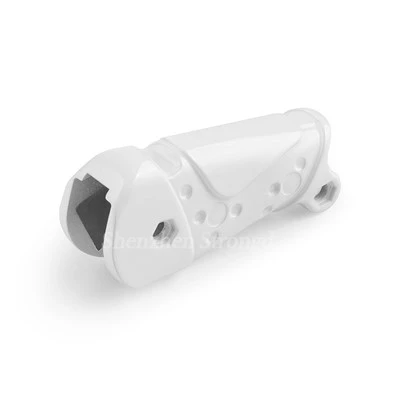

Hey there! As a supplier of Plastic Robot Shell, I often get asked about the lifespan of these nifty plastic shells. It's a super important question, especially for those in the robotics industry. So, let's dive right in and explore what affects the lifespan of a plastic robot shell.
Factors Affecting the Lifespan
1. Material Quality
The type of plastic used in the shell plays a huge role. High - quality plastics, like ABS (Acrylonitrile Butadiene Styrene) or polycarbonate, are known for their durability. ABS is tough, impact - resistant, and can withstand a fair amount of wear and tear. Polycarbonate, on the other hand, is not only strong but also has excellent optical properties, which can be useful if the robot has sensors that need to see through the shell.


When we manufacture our Plastic Robot Shell, we use top - grade plastics. This ensures that the shells can handle the rigors of daily use. Cheaper plastics might save a few bucks upfront, but they're likely to crack, fade, or break down much faster.
2. Environmental Conditions
The environment in which the robot operates has a big impact on the shell's lifespan. If the robot is used in a hot and humid environment, the plastic can start to warp or become brittle over time. UV rays from the sun can also cause the plastic to fade and degrade.
For example, if a robot is used outdoors for long periods, the shell needs to be made of UV - resistant plastic. We offer options for UV - protected Plastic Robot Shell to help our customers in these situations. On the other hand, if the robot is used in a cold environment, the plastic needs to be able to withstand low temperatures without becoming too rigid and cracking.
3. Mechanical Stress
The amount of mechanical stress the shell endures is another crucial factor. If the robot is constantly moving, bumping into things, or being handled roughly, the shell will experience more wear. For instance, a robot used in a manufacturing plant might be pushed around on a conveyor belt or knocked against other equipment.
To counter this, we use advanced Robotic Parts Manufacturing techniques. Our shells are designed to be robust and able to handle mechanical stress. We also offer custom - designed shells that can be reinforced in areas that are likely to experience the most stress.
4. Chemical Exposure
If the robot is used in an environment where it's exposed to chemicals, the plastic shell can be damaged. Chemicals like solvents, acids, or alkalis can eat away at the plastic, causing it to weaken or dissolve.
We can manufacture Plastic Robot Shell that are resistant to certain chemicals. Before we start production, we work closely with our customers to understand the chemical environment the robot will be in, so we can choose the right plastic and treatment.
Estimating the Lifespan
It's tough to give an exact number for how long a plastic robot shell will last because of all these variables. However, under normal operating conditions, a well - made plastic robot shell can last anywhere from 5 to 10 years.
If the robot is used in a relatively benign environment, with minimal mechanical stress and no exposure to harsh chemicals or extreme temperatures, the shell could last even longer. On the flip side, if the robot is in a tough environment, the lifespan might be reduced to just a couple of years.
Our Manufacturing Process
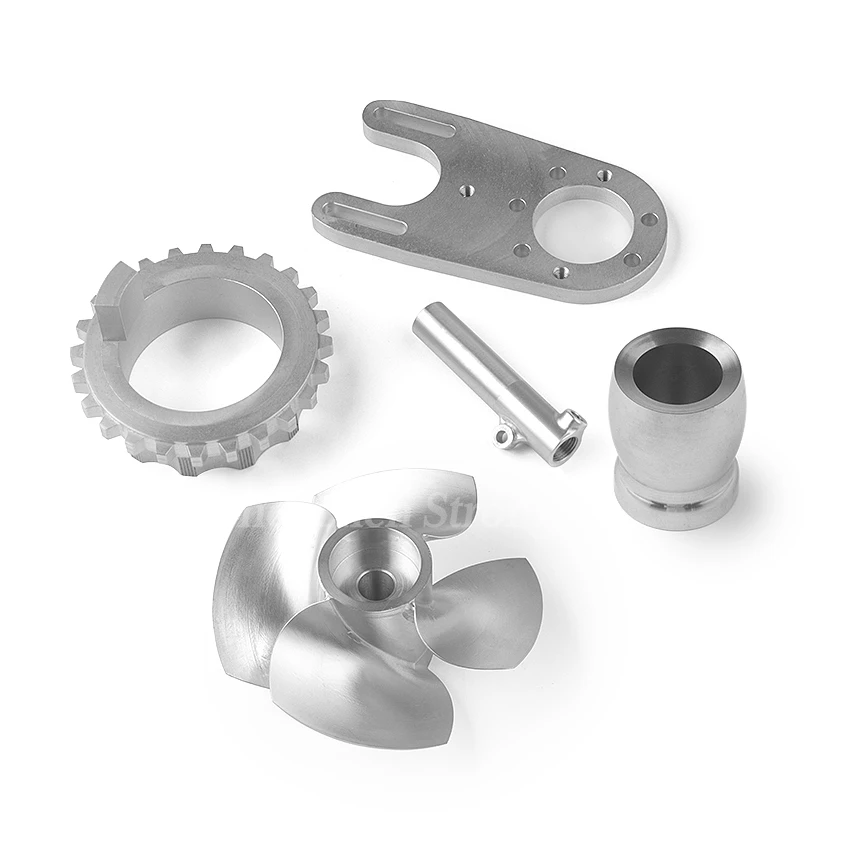
We take pride in our Robotic Parts Manufacturing process. We use CNC Milling Plastic Robotic Model technology to ensure precision and quality. This allows us to create shells that fit perfectly and have consistent thickness and strength.
Our team of experts carefully selects the materials and designs the shells to meet the specific needs of our customers. We also conduct rigorous quality control checks at every stage of the manufacturing process. This way, we can guarantee that the Plastic Robot Shell we deliver are of the highest quality.
Maintenance Tips
To extend the lifespan of a plastic robot shell, there are a few simple maintenance tips. First, keep the shell clean. Regularly wipe it down with a soft, damp cloth to remove dirt and debris. Avoid using harsh chemicals or abrasive cleaners, as these can damage the plastic.
Second, if the robot is not in use for a long time, store it in a cool, dry place. This will prevent the plastic from being exposed to extreme temperatures or humidity.
Finally, inspect the shell regularly for any signs of damage, such as cracks or scratches. If you notice any issues, it's best to address them early to prevent further damage.
Why Choose Us
As a supplier, we're committed to providing the best Plastic Robot Shell on the market. We offer a wide range of options, from standard designs to custom - made shells. Our prices are competitive, and we provide excellent customer service.
We understand that every customer's needs are different, so we work closely with you to ensure that the shells we produce meet your exact requirements. Whether you're a small startup or a large corporation, we have the expertise and resources to help you.
Let's Talk
If you're in the market for high - quality plastic robot shells, we'd love to hear from you. Whether you have questions about the lifespan, our manufacturing process, or need a custom - designed shell, we're here to help. Contact us to start a conversation about your robotic parts needs. We're confident that we can provide you with the perfect Plastic Robot Shell for your project.
References
- "Plastics in Robotics: Properties and Applications" - A research paper on the use of plastics in the robotics industry.
- "Environmental Effects on Plastic Materials" - A study on how different environmental conditions affect plastic degradation.