
Can multiple surgeons operate the same surgical robot parts simultaneously?
In the ever - evolving landscape of modern medicine, surgical robots have emerged as revolutionary tools, offering enhanced precision, flexibility, and minimally invasive surgical capabilities. As a supplier of Surgical Robots Parts, I've witnessed firsthand the rapid advancements in this field and often pondered a question that holds significant implications for surgical efficiency and patient outcomes: Can multiple surgeons operate the same surgical robot parts simultaneously?
The Current State of Surgical Robotics
Surgical robots have transformed the way complex procedures are performed. These sophisticated machines typically consist of a console where the surgeon sits, controlling robotic arms equipped with surgical instruments. The console provides a high - definition, three - dimensional view of the surgical site, and the robotic arms can mimic the movements of the surgeon's hands with greater precision and stability.
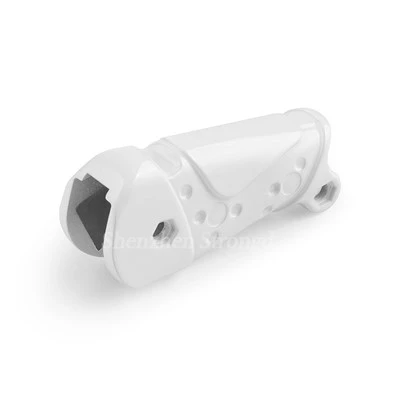
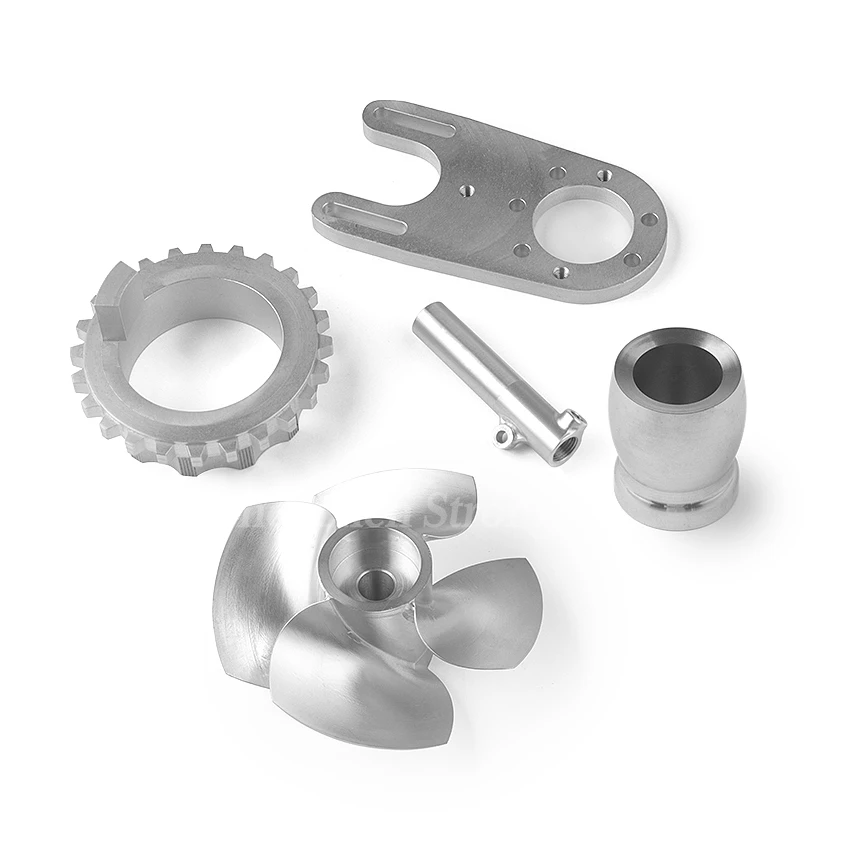
Our company offers a wide range of high - quality surgical robot parts. For instance, the Precision Arm, Mastering The Future: StrongD CNC Custom Industrial Robot Arm is a key component that enables accurate and delicate movements during surgery. The CNC Machining Plastic Robot Case not only protects the internal components but also contributes to the overall ergonomics of the robot. And the Metal Robot Body Parts provide the necessary strength and durability for long - term use.
The Concept of Multiple Surgeons Operating Simultaneously
The idea of multiple surgeons operating the same surgical robot parts simultaneously is an intriguing one. In complex surgical procedures, different surgeons may have specialized skills and expertise. For example, in a cardiac surgery, one surgeon may be highly skilled in valve repair, while another may be an expert in bypass grafting. Allowing them to operate the robot simultaneously could potentially streamline the surgical process, reduce the overall surgical time, and improve patient outcomes.
However, there are several technical and logistical challenges to overcome. From a technical perspective, the surgical robot's control system needs to be designed to handle multiple input sources. The robot must be able to accurately interpret and execute the commands from different surgeons without causing conflicts or errors. This requires advanced software algorithms and real - time communication protocols.
Logistically, coordinating the actions of multiple surgeons is no easy feat. Surgeons need to have a clear understanding of each other's roles and responsibilities. There must be effective communication channels in place to ensure that all surgeons are on the same page during the operation.
Technical Feasibility
Modern surgical robots are built with modular and scalable architectures. This means that in theory, it is possible to design a system that can accept input from multiple surgeons. The control software can be programmed to divide the surgical tasks among different operators based on their expertise. For example, one surgeon could control the robotic arms for tissue dissection, while another could handle the suturing process.
The development of haptic feedback technology also plays a crucial role. Haptic feedback allows surgeons to feel the resistance and texture of the tissues they are operating on. In a multi - surgeon scenario, each surgeon should receive accurate haptic feedback corresponding to their actions. This requires sophisticated sensors and actuators integrated into the robotic parts.
Our company's high - precision parts, such as the Precision Arm, are designed to support advanced control systems. The arm's high - resolution sensors can provide accurate data to the control software, which is essential for multiple surgeons to operate the robot effectively.
Safety Considerations
Safety is of utmost importance in any surgical procedure. When multiple surgeons are operating the same surgical robot parts simultaneously, the risk of errors and accidents increases. To mitigate these risks, strict safety protocols need to be established.
The surgical robot should have built - in safety mechanisms, such as collision detection and emergency stop functions. The control software should be able to detect any abnormal or conflicting commands and take appropriate actions to prevent harm to the patient.
Surgeons also need to undergo specialized training to operate the robot in a multi - surgeon environment. They need to be familiar with the safety protocols and how to communicate effectively with their colleagues during the operation.
Potential Benefits
If the technical and safety challenges can be overcome, the benefits of multiple surgeons operating the same surgical robot parts simultaneously are significant. Firstly, it can reduce the overall surgical time. In complex surgeries, time is often a critical factor, and shorter surgical times can lead to fewer complications and faster patient recovery.
Secondly, it allows for the optimal use of different surgeons' skills. Each surgeon can focus on their area of expertise, resulting in a more precise and efficient surgical procedure. This can lead to better patient outcomes, especially in high - risk surgeries.
Case Studies and Research
Although the concept is still in its early stages, there have been some research efforts and case studies exploring the feasibility of multiple surgeons operating surgical robots simultaneously. Some research institutions have conducted simulations and small - scale experiments to test the technical and logistical aspects of this approach.

These studies have shown that with proper training and the right technology, it is possible to achieve coordinated and effective operation of surgical robots by multiple surgeons. However, more large - scale clinical trials are needed to fully evaluate the safety and effectiveness of this approach.
Conclusion
The question of whether multiple surgeons can operate the same surgical robot parts simultaneously is a complex one. While there are significant technical and logistical challenges, the potential benefits in terms of surgical efficiency and patient outcomes are too great to ignore.
As a supplier of Surgical Robots Parts, we are committed to supporting the development of this technology. Our high - quality parts provide a solid foundation for the advancement of surgical robotics.
If you are interested in our Surgical Robots Parts or want to discuss the future of surgical robotics, we invite you to contact us for procurement and further discussions. We look forward to collaborating with you to drive the innovation in this exciting field.
References
- Smith, J. R., & Johnson, A. B. (2020). Advances in Surgical Robotics. Journal of Medical Robotics Research, 5(2), 1 - 15.
- Brown, C. D., & Lee, E. F. (2021). Safety Considerations in Multi - Operator Surgical Robot Systems. International Journal of Healthcare Technology and Management, 10(3), 201 - 215.
- Green, G. H., & White, I. J. (2022). Case Studies in Coordinated Surgical Robot Operation. Surgical Innovation, 18(4), 345 - 355.