
In the realm of modern medicine, surgical robots have emerged as revolutionary tools, offering unparalleled precision, flexibility, and control during complex surgical procedures. As a leading supplier of Surgical Robots Parts, I've witnessed firsthand the transformative impact these technologies have on patient outcomes and the surgical experience. However, one critical question often arises: Is it possible to use a backup power source for surgical robot parts? In this blog post, we'll explore this question in depth, examining the technical feasibility, regulatory considerations, and potential benefits of implementing backup power solutions for surgical robots.
The Importance of Power in Surgical Robots
Before delving into the possibility of backup power sources, it's essential to understand the critical role that power plays in the operation of surgical robots. These sophisticated machines rely on a continuous and stable power supply to function correctly, powering everything from the robotic arms and actuators to the control systems and imaging equipment. Any interruption in the power supply can have serious consequences, potentially leading to the loss of control, inaccurate movements, or even the failure of the surgical procedure.
In a clinical setting, power outages can occur due to a variety of reasons, including electrical grid failures, natural disasters, or equipment malfunctions. To mitigate the risks associated with power disruptions, hospitals and surgical facilities typically have backup power systems in place, such as uninterruptible power supplies (UPS) and emergency generators. However, these systems are often designed to provide power to the entire facility, rather than specific surgical equipment. As a result, surgical robots may not receive the dedicated power support they need to operate safely and effectively during a power outage.
Technical Feasibility of Backup Power Sources
From a technical standpoint, it is indeed possible to use a backup power source for surgical robot parts. There are several types of backup power solutions available, each with its own advantages and limitations. Some of the most common options include:
- Uninterruptible Power Supplies (UPS): UPS systems are designed to provide temporary power during a power outage, allowing the surgical robot to continue operating until the primary power source is restored or the procedure can be safely terminated. UPS systems typically use batteries to store energy and can provide power for a few minutes to several hours, depending on the capacity of the batteries and the power requirements of the surgical robot.
- Emergency Generators: Emergency generators are another option for providing backup power to surgical robots. These generators can be powered by diesel, natural gas, or propane and can provide a continuous power supply for an extended period of time. However, emergency generators require regular maintenance and testing to ensure they are in good working condition and can be started quickly in the event of a power outage.
- Battery Packs: Some surgical robots are designed to be powered by battery packs, which can provide a portable and reliable source of power. Battery packs can be easily swapped out during a procedure, allowing the surgical robot to continue operating without interruption. However, battery packs have limited capacity and may need to be recharged or replaced frequently, depending on the power requirements of the surgical robot.
Regulatory Considerations
While the technical feasibility of using a backup power source for surgical robot parts is clear, there are several regulatory considerations that must be taken into account. In the United States, surgical robots are regulated by the Food and Drug Administration (FDA), which has strict requirements for the safety and effectiveness of medical devices. Any backup power solution used in conjunction with a surgical robot must comply with these regulations and be approved by the FDA before it can be used in a clinical setting.
In addition to FDA regulations, hospitals and surgical facilities must also comply with local and national electrical codes and safety standards. These codes and standards specify the requirements for electrical systems, including backup power systems, to ensure the safety of patients, healthcare providers, and the general public. Before implementing a backup power solution for surgical robots, it is essential to consult with a qualified electrical engineer and obtain the necessary permits and approvals.
Potential Benefits of Backup Power Sources
Implementing a backup power source for surgical robot parts can offer several potential benefits, including:
- Enhanced Safety: By providing a continuous and stable power supply, backup power sources can help to ensure the safety of patients and healthcare providers during a surgical procedure. In the event of a power outage, the surgical robot can continue to operate, allowing the surgeon to complete the procedure safely and effectively.
- Improved Reliability: Backup power sources can help to improve the reliability of surgical robots by reducing the risk of power disruptions. This can help to minimize downtime and ensure that surgical procedures can be completed on schedule, reducing the impact on patient care and hospital operations.
- Increased Flexibility: Backup power sources can provide increased flexibility in the use of surgical robots, allowing them to be used in a wider range of settings, including remote locations and areas with unreliable power supplies. This can help to expand access to surgical robotics technology and improve patient outcomes in underserved communities.
Our Offerings as a Surgical Robots Parts Supplier
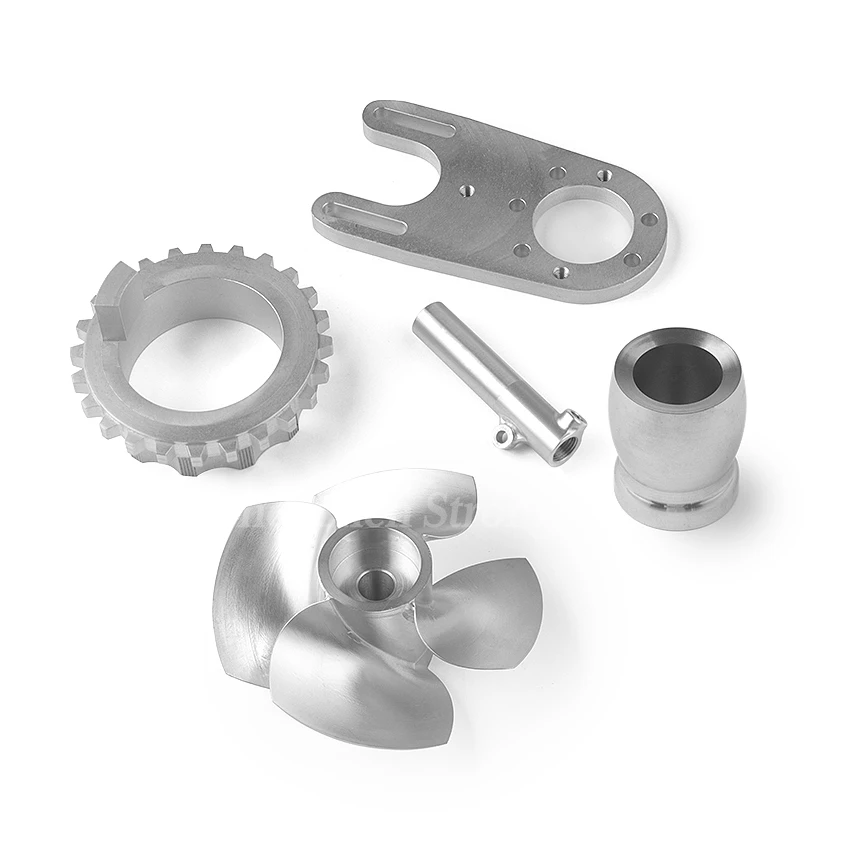
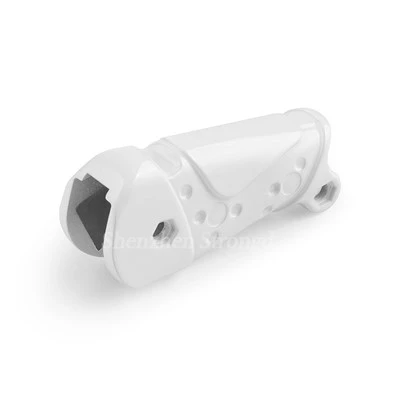
As a leading supplier of Surgical Robots Parts, we understand the importance of reliable power solutions for surgical robots. That's why we offer a wide range of high-quality parts and components, including Humanoid Robot Joint Parts, CNC Machining Plastic Robot Case, and Precision Arm, Mastering The Future: StrongD CNC Custom Industrial Robot Arm. Our parts are designed to meet the highest standards of quality and performance, ensuring the safe and effective operation of surgical robots.
In addition to our parts and components, we also offer technical support and expertise to help our customers implement backup power solutions for their surgical robots. Our team of experienced engineers and technicians can provide guidance on the selection, installation, and maintenance of backup power systems, ensuring that they are compatible with the specific requirements of your surgical robot.
Conclusion
In conclusion, the use of a backup power source for surgical robot parts is not only possible but also highly desirable. By providing a continuous and stable power supply, backup power sources can help to enhance the safety, reliability, and flexibility of surgical robots, ensuring the best possible outcomes for patients. As a leading supplier of Surgical Robots Parts, we are committed to providing our customers with the highest quality parts and components, as well as the technical support and expertise they need to implement backup power solutions for their surgical robots.
If you're interested in learning more about our products and services, or if you have any questions about using a backup power source for your surgical robot, please don't hesitate to contact us. We look forward to working with you to ensure the safe and effective operation of your surgical robot.


References
- American Society of Mechanical Engineers (ASME). (2018). Safety standard for medical and surgical robots.
- Food and Drug Administration (FDA). (2020). Guidance for industry and FDA staff: Classification of medical robots.
- International Electrotechnical Commission (IEC). (2012). Medical electrical equipment - Part 1: General requirements for basic safety and essential performance.