
Do robot accessories require special tools for installation? That's a question I get asked a lot as a supplier of robot accessories. In this blog, I'll share my insights based on years of experience in the industry.
First off, it really depends on the type of robot accessory we're talking about. Some accessories are super easy to install and don't need any special tools at all. For example, simple add - on sensors or small decorative parts can often be attached using just your hands. You can usually snap them into place or use basic fasteners like screws that come with the accessory. These are the kind of accessories that even a newbie to robotics can handle without breaking a sweat.
On the other hand, there are some robot accessories that definitely call for special tools. High - end robotic arms, for instance, are complex pieces of equipment. Installing them requires precision and accuracy. You might need torque wrenches to ensure that the bolts are tightened to the correct specifications. If you don't use the right torque, it could lead to the arm not functioning properly or even cause damage over time.
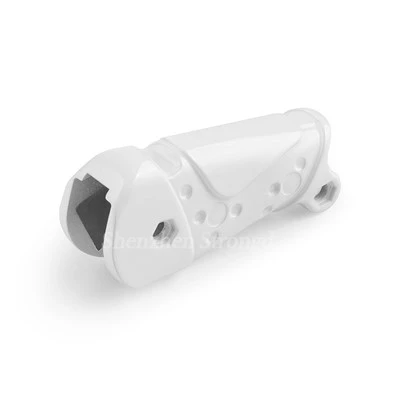
Another example is when you're dealing with Plastic Robot Body Parts. While they are made of plastic, some of these parts are designed to fit together in a very specific way. You may need tools like plastic welders to join them securely. These welders heat up the plastic and allow for a strong bond between the parts. Without a plastic welder, you might end up with a weak connection that could break easily.
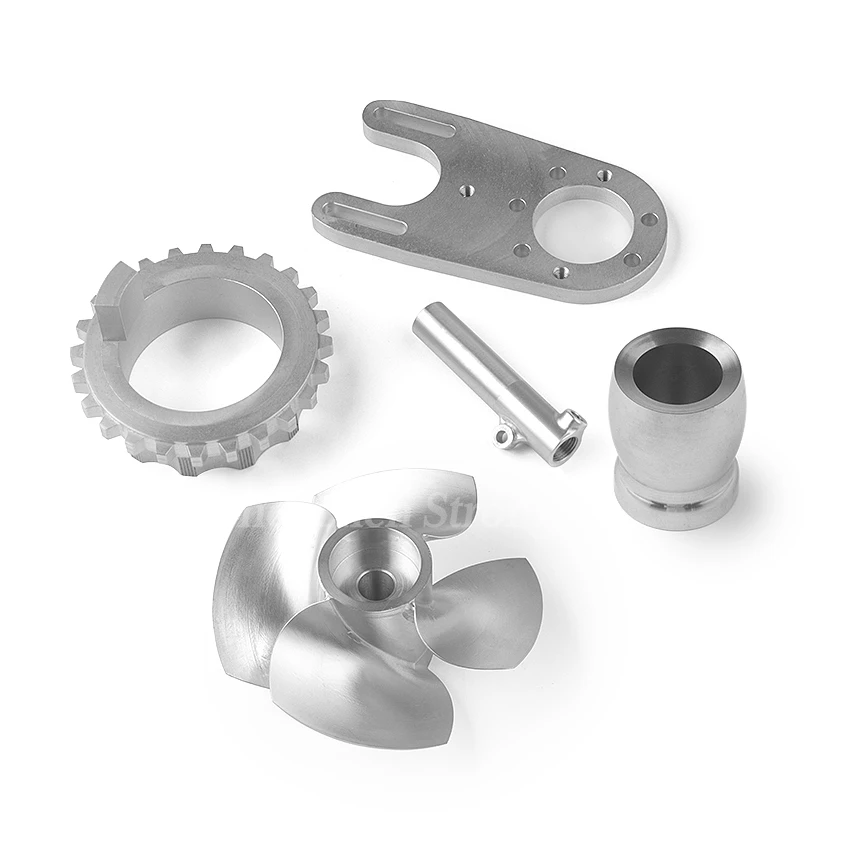
When it comes to Robotic Parts Manufacturing, the parts are often engineered to very tight tolerances. Installing components like gears, motors, and circuit boards usually requires specialized tools. For example, soldering irons are essential for attaching electrical components. A good soldering iron can make the difference between a reliable electrical connection and a faulty one that could cause the entire robot to malfunction.
Plastic Robot Shell installation can also be a bit tricky. Sometimes, the shell needs to be cut or shaped to fit the robot's internal components. Tools like rotary cutters or Dremel tools can be very useful in this situation. They allow you to make precise cuts and adjustments to the plastic shell so that it fits perfectly.
Now, let's talk about the benefits of using special tools for installation. Using the right tools ensures that the installation is done correctly. This means that the robot accessory will work as intended and have a longer lifespan. For example, if you use a torque wrench to tighten the bolts on a robotic arm, you're less likely to have issues with loose parts or misalignment. This can save you a lot of time and money in the long run, as you won't have to keep replacing or repairing the accessory.
Special tools also make the installation process safer. When you're working with electrical components or sharp plastic edges, using the appropriate tools reduces the risk of injury. For instance, a soldering iron with a good heat - resistant handle and proper insulation protects you from burns.
However, there are also some drawbacks to using special tools. Specialized tools can be expensive. If you're only installing a few robot accessories, it might not be cost - effective to buy all the necessary tools. In some cases, you might be better off hiring a professional who already has the tools and the expertise to do the job.
Another issue is that special tools often require some level of skill to use. If you're not familiar with how to operate a plastic welder or a torque wrench, you could end up causing more harm than good. It might take some time and practice to learn how to use these tools correctly.
So, what should you do if you're thinking about installing robot accessories? If you're a DIY enthusiast and you have some basic knowledge of robotics, you can start by looking at the installation instructions that come with the accessory. If the instructions mention special tools, you can decide whether it's worth investing in them or if you should hire someone.
If you're a business or an organization that needs to install multiple robot accessories, it might be a good idea to build up a toolkit of essential special tools. This way, you'll be prepared for future installations and can save money in the long term.
As a supplier of robot accessories, I'm always here to help. If you have any questions about which tools are needed for a particular accessory or if you're not sure how to install something, don't hesitate to reach out. I can provide you with more detailed information and advice based on your specific situation.
If you're interested in purchasing robot accessories, we have a wide range of high - quality products available. Whether you need plastic body parts, robotic arms, or sensors, we've got you covered. And if you're unsure about the installation process, we can even recommend professionals in your area who can assist you.
In conclusion, while not all robot accessories require special tools for installation, many do. Understanding the requirements of the accessory and the benefits and drawbacks of using special tools is crucial. Whether you're a hobbyist or a professional, making the right decisions about installation can ensure that your robot functions at its best.
If you're looking to purchase robot accessories or have any questions about installation, feel free to get in touch. We're here to help you make the most of your robotic projects.


References
- General knowledge from years of experience in the robot accessories supply industry.
- Manufacturer's installation guides for various robot accessories.