
Can vacuum casting parts be used in sports equipment applications?
Hey there! I'm a supplier of Vacuum Casting Parts, and today I wanna chat about whether these parts can be used in sports equipment applications. It's a question I get asked a lot, and I'm super excited to dig into it with you.
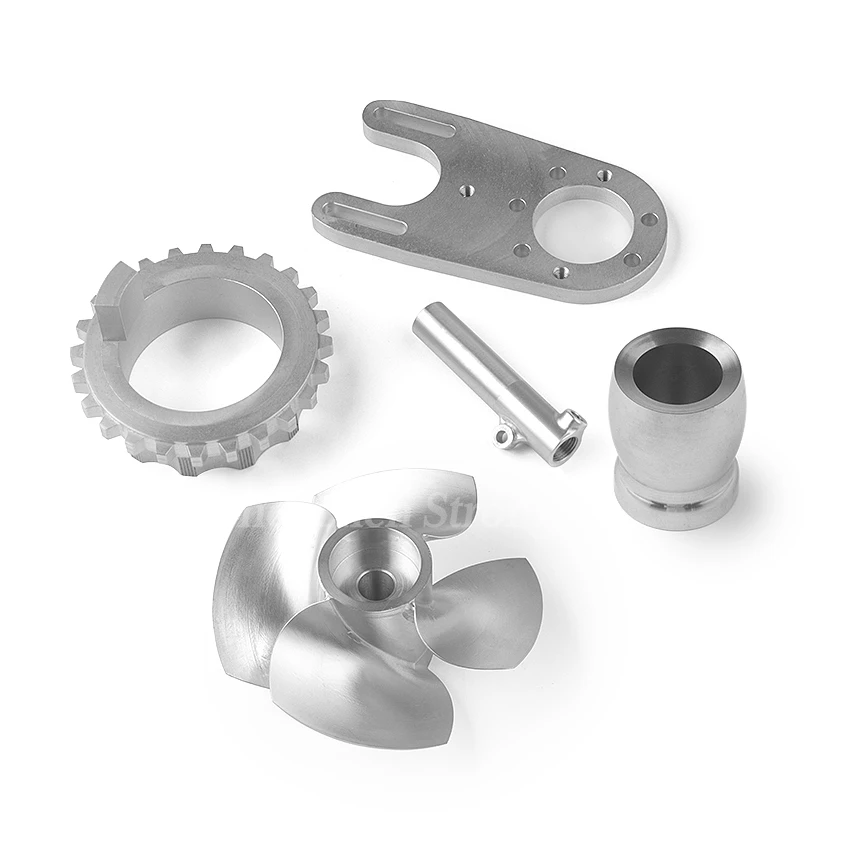
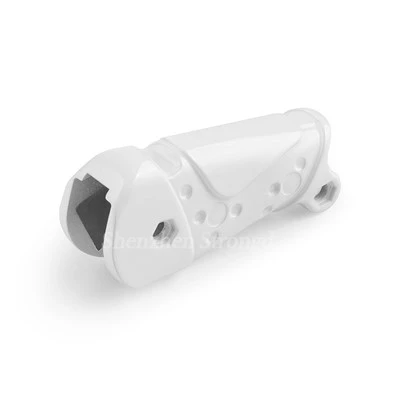
First off, let's quickly go over what vacuum casting is. Vacuum casting is a process where a mold, usually made of silicone, is used to create parts. The process involves placing a master model in a container, pouring liquid silicone around it, and then curing the silicone to form a mold. Once the mold is ready, liquid resin is poured into it under vacuum conditions to remove air bubbles, and after the resin cures, you get a high - quality part. You can check out more about Silicone Mould Parts on our website.


Now, let's talk about sports equipment. Sports equipment needs to meet a bunch of different requirements. It has to be durable enough to withstand the wear and tear of regular use, whether it's being hit, thrown, or used in high - impact situations. It also has to be lightweight so that athletes can perform at their best without being weighed down. And of course, it should be comfortable to use, fitting well in the athlete's hands or on their body.
So, can vacuum casting parts meet these requirements? The answer is a big yes!
Durability
One of the key advantages of vacuum casting parts is that they can be made from a variety of materials. We have different types of resins available that can be chosen based on the specific needs of the sports equipment. For example, some resins are highly resistant to abrasion, which is great for equipment like skateboard wheels or the soles of running shoes. These parts are constantly in contact with rough surfaces, and the abrasion - resistant resin ensures that they last a long time.
In addition, vacuum casting allows for a high - quality finish. The parts can be made with very smooth surfaces, which not only looks good but also helps in reducing friction. This is important for sports equipment like hockey sticks or tennis rackets. A smooth surface can improve the performance of the equipment, and at the same time, the well - made parts are less likely to break or crack under stress. You can find more details about Vacuum Casting Parts and their durability features on our site.
Lightweight
Weight is a crucial factor in sports equipment. Athletes need to be able to move quickly and efficiently, and heavy equipment can slow them down. Vacuum casting parts are often very lightweight because the resins used are generally less dense than some traditional materials. For instance, in the production of cycling helmets, vacuum - cast parts can replace heavier metal or thick plastic components. This reduction in weight can make a significant difference in the athlete's performance, allowing them to ride faster and with less effort.
Comfort
Comfort is another area where vacuum casting parts shine. Since the process allows for a high degree of precision, parts can be made to fit the exact shape and contours required. For example, in the production of sports gloves or knee pads, vacuum - cast parts can be customized to fit the athlete's hand or knee perfectly. This not only provides better support but also reduces the risk of blisters or other discomforts that can occur with ill - fitting equipment.
Examples of Sports Equipment Using Vacuum Casting Parts
Let's look at some real - world examples of sports equipment that can benefit from vacuum casting parts.
Ski Boots
Ski boots need to be both rigid for support and flexible in certain areas for movement. Vacuum casting allows for the creation of parts with different levels of hardness in different sections. The outer shell can be made from a rigid resin to provide protection and support, while the inner lining can be made from a softer, more flexible material for comfort. This combination of materials ensures that skiers can perform at their best while staying comfortable on the slopes.
Golf Club Grips
Golf club grips need to provide a good grip and be comfortable to hold. Vacuum - cast grips can be made with a textured surface to improve grip, and the material can be chosen for its softness and durability. This means that golfers can have a better feel for the club and can swing more effectively.
Protective Gear
In sports like football, hockey, and rugby, protective gear is essential. Vacuum casting parts can be used to make helmets, shoulder pads, and shin guards. The parts can be designed to absorb impact and distribute the force evenly, reducing the risk of injury to the athlete. And because they can be made lightweight, they don't add unnecessary bulk to the athlete's body. You can learn more about the components used in this kind of protective gear on our Vacuum Casting Components page.
Cost - Effectiveness
Another great thing about using vacuum casting parts in sports equipment is the cost - effectiveness. The tooling costs for vacuum casting are relatively low compared to other manufacturing processes, especially for small to medium - scale production. This means that sports equipment manufacturers can save money on production costs, which can be passed on to the consumers in the form of lower prices.
Customization
Vacuum casting also offers a high level of customization. Sports equipment can be tailored to the specific needs of different athletes or sports. For example, a professional athlete may require a customized piece of equipment that is optimized for their unique playing style. With vacuum casting, it's easy to make changes to the design and produce parts that meet these specific requirements.
So, as you can see, vacuum casting parts have a lot to offer in sports equipment applications. They are durable, lightweight, comfortable, cost - effective, and highly customizable. If you're in the sports equipment manufacturing business and are looking for a reliable way to produce high - quality parts, then vacuum casting parts could be the perfect solution for you.
If you're interested in learning more about our Vacuum Casting Parts or want to discuss a potential project, feel free to reach out. We'd love to have a chat and see how we can help you take your sports equipment to the next level.
References
- Smith, J. (2020). Advanced Materials in Sports Equipment Manufacturing. Sports Tech Journal, 15(2), 45 - 53.
- Johnson, A. (2019). The Future of Manufacturing for Sports Equipment. Manufacturing Insights, 22(3), 78 - 85.