
As a supplier of robot accessories, I've spent a great deal of time exploring the intricate relationship between robot accessories and a robot's stability. In this blog, I'll delve into the various ways in which these accessories can impact a robot's stability, drawing on scientific knowledge and real - world experiences.
Understanding Robot Stability
Before we discuss how accessories affect stability, it's essential to understand what robot stability means. In robotics, stability refers to a robot's ability to maintain its balance and perform tasks without tipping over or losing control. This is crucial for robots operating in various environments, whether it's a factory floor, a home setting, or an outdoor exploration site.
A robot's stability is determined by several factors, including its center of gravity, the distribution of mass, and the design of its base and legs (if it's a mobile robot). The center of gravity is the point where the entire weight of the robot can be considered to act. A lower center of gravity generally leads to greater stability, as it makes the robot less likely to topple.
Types of Robot Accessories and Their Impact on Stability
Weight - Adding Accessories
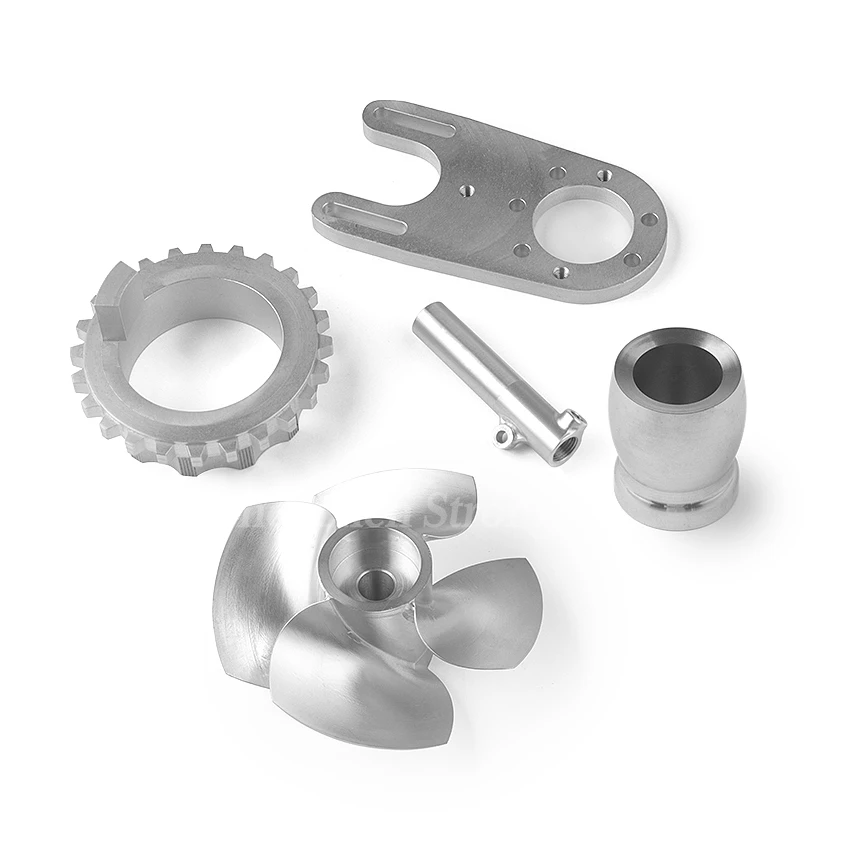
Many robot accessories add weight to the robot. For example, a Robotic Parts Manufacturing process might produce heavy sensors or additional battery packs. These accessories can significantly affect the robot's center of gravity. If the added weight is placed too high on the robot, it can raise the center of gravity, making the robot more prone to tipping.
On the other hand, if the weight is distributed evenly or placed low on the robot, it can actually enhance stability. For instance, adding a heavy base plate as an accessory can lower the center of gravity and make the robot more stable, especially for robots that need to perform tasks while standing still or moving slowly.
Shape - Altering Accessories
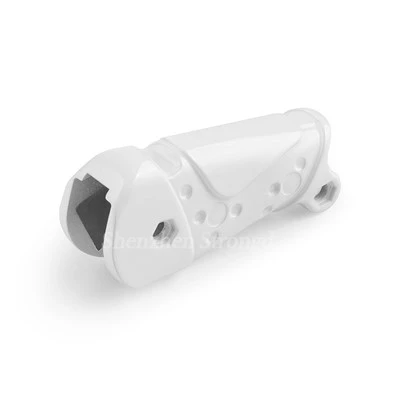
Accessories that change the shape of the robot can also have a profound impact on stability. A Plastic Robot Shell can modify the robot's aerodynamics, which is particularly important for flying robots or those operating in high - speed environments. A poorly designed shell can create drag or lift forces that disrupt the robot's balance.
For ground - based robots, a new body shape can affect the way the robot interacts with the surface. For example, if a robot has a wider base due to an accessory, it will have a larger area of support, which generally increases stability. However, if the shape change causes the robot to have an uneven distribution of weight on its wheels or legs, it can lead to instability.
Functional Accessories
Functional accessories such as arms or grippers can introduce additional forces and torques on the robot. When a robot extends its arm to pick up an object, the added mass at the end of the arm creates a moment that can potentially tip the robot. To counteract this, the robot's control system needs to adjust the position of its body or redistribute its weight.
Some advanced robots are designed with built - in stability control mechanisms that can compensate for the forces introduced by functional accessories. However, in less sophisticated robots, these accessories can pose a significant challenge to stability.
Case Studies
Let's look at some real - world examples to illustrate how robot accessories can affect stability.
Industrial Robots
In industrial settings, robots are often equipped with various tools and sensors. For example, a welding robot might have a heavy welding torch attached to its arm. This accessory adds weight and changes the balance of the robot. To ensure stability, the robot's base is usually designed to be heavy and wide, and the control system is programmed to adjust the robot's movements based on the added load.
If the welding torch is not properly balanced or if the robot's control system fails to account for the added weight, the robot may experience vibrations or even tip over during operation. This can lead to costly downtime and potential safety hazards.
Service Robots
Service robots, such as those used in restaurants or hospitals, often have accessories like trays or storage compartments. These accessories can change the robot's center of gravity, especially when they are loaded with items. A poorly designed tray or compartment can cause the robot to become unstable while moving, increasing the risk of dropping items or colliding with objects.


To address this issue, some service robots are designed with adjustable weight distribution systems. For example, the robot can shift the position of its batteries or other internal components to counterbalance the weight of the items on the tray.
Mitigating the Impact of Accessories on Stability
As a robot accessories supplier, I understand the importance of providing products that minimize the negative impact on robot stability. Here are some strategies that can be employed:
Design Optimization
During the design phase of the accessories, we focus on optimizing the weight distribution and shape. For example, when designing a Plastic Robot Body Parts, we use lightweight materials and ensure that the part's mass is evenly distributed. This helps to minimize the effect on the robot's center of gravity.
Compatibility Testing
Before releasing an accessory to the market, we conduct extensive compatibility testing with different types of robots. This involves attaching the accessory to the robot and evaluating its stability under various operating conditions. We also work closely with robot manufacturers to ensure that the accessory can be integrated smoothly with the robot's existing stability control systems.
User Education
We provide detailed instructions and guidelines to users on how to install and use the accessories correctly. This includes information on how to balance the robot after attaching the accessory and how to adjust the robot's settings if necessary. By educating the users, we can help them make the most of our accessories while maintaining the robot's stability.
Conclusion
In conclusion, robot accessories can have a significant impact on a robot's stability. Whether it's through adding weight, changing the shape, or introducing additional forces, these accessories can either enhance or disrupt the robot's balance. As a supplier of robot accessories, I am committed to providing high - quality products that minimize the negative impact on stability and work in harmony with the robot's design.
If you are in the market for robot accessories and want to ensure that they will not compromise your robot's stability, I encourage you to contact me for more information. I can provide you with detailed product specifications and help you choose the right accessories for your specific needs. Let's work together to create more stable and efficient robots.
References
- Siciliano, B., & Khatib, O. (Eds.). (2016). Springer Handbook of Robotics. Springer.
- Spong, M. W., Hutchinson, S., & Vidyasagar, M. (2006). Robot Modeling and Control. Wiley.
- Craig, J. J. (2005). Introduction to Robotics: Mechanics and Control. Pearson Prentice Hall.