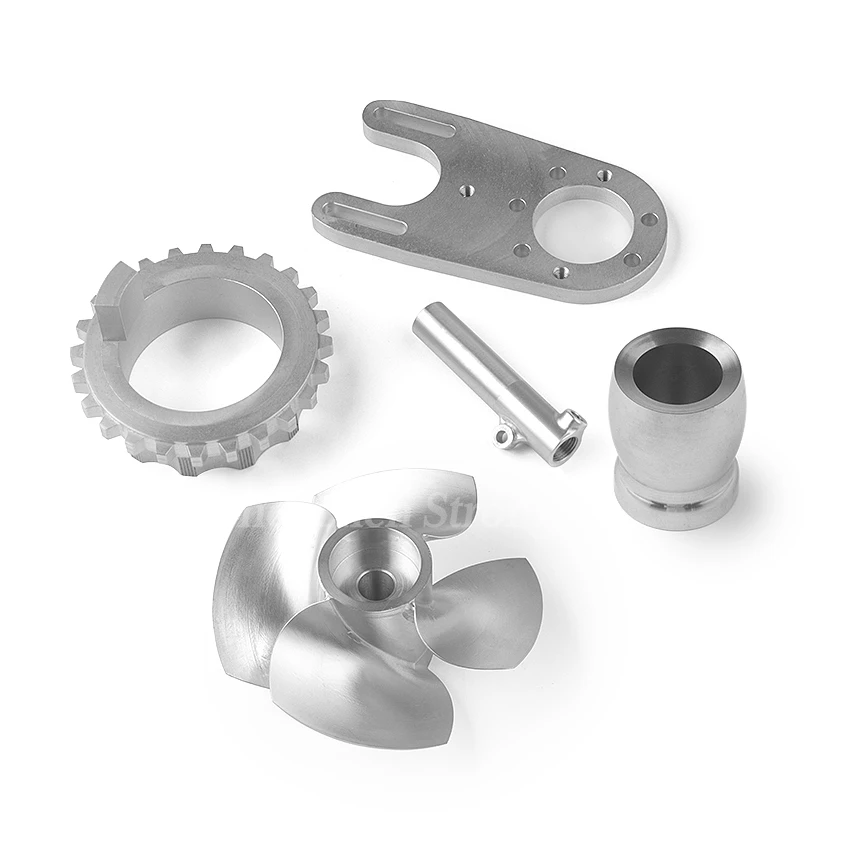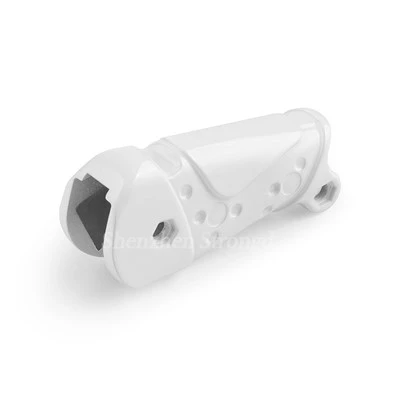

Nylon SLS (Selective Laser Sintering) printing has emerged as a revolutionary technology in the realm of 3D printing, offering unparalleled design freedom and the ability to create complex, functional parts. As a leading Nylon SLS Printing supplier, we are often asked about the fatigue resistance of the parts produced through this process. In this blog post, we will delve into the concept of fatigue resistance in Nylon SLS Printing parts, exploring the factors that influence it and its significance in various applications.
Understanding Fatigue Resistance
Fatigue resistance refers to a material's ability to withstand repeated loading and unloading cycles without failing. In the context of Nylon SLS Printing parts, fatigue resistance is crucial as many applications involve cyclic stresses. For example, in automotive components, mechanical parts, and aerospace applications, parts are often subjected to continuous vibrations, impacts, and varying loads over their service life. If a part lacks sufficient fatigue resistance, it may develop cracks, deform, or ultimately fail, leading to costly repairs, downtime, and even safety hazards.
Factors Affecting the Fatigue Resistance of Nylon SLS Printing Parts
Material Properties
Nylon, also known as polyamide, is a versatile engineering thermoplastic with excellent mechanical properties. The specific type of nylon used in SLS printing, such as PA12 or PA6, can significantly impact the fatigue resistance of the printed parts. PA12, for instance, is known for its high toughness, flexibility, and good chemical resistance, which contribute to its relatively high fatigue resistance. The molecular structure of nylon, including its degree of crystallinity, also plays a role. A higher degree of crystallinity generally results in better mechanical properties, including fatigue resistance, as the crystalline regions provide additional strength and stability to the material.
Printing Parameters
The SLS printing process involves several parameters that can affect the fatigue resistance of the printed parts. Laser power, scan speed, and layer thickness are among the most critical parameters. Optimal laser power ensures proper sintering of the nylon powder particles, creating a dense and homogeneous structure. If the laser power is too low, the particles may not be fully fused, leading to weak points and reduced fatigue resistance. On the other hand, excessive laser power can cause overheating and degradation of the material, also negatively impacting fatigue performance.
Scan speed determines how quickly the laser moves across the powder bed. A slower scan speed allows for more thorough sintering, but it may also increase the build time. A faster scan speed can reduce build time but may result in incomplete sintering and lower fatigue resistance. Layer thickness affects the surface finish and internal structure of the printed part. Thinner layers generally result in a smoother surface finish and a more uniform internal structure, which can enhance fatigue resistance.
Post - Processing
Post - processing steps can also have a significant impact on the fatigue resistance of Nylon SLS Printing parts. Heat treatment is a common post - processing technique that can improve the mechanical properties of nylon parts. By heating the parts to a specific temperature and then cooling them at a controlled rate, the degree of crystallinity can be adjusted, leading to enhanced strength and fatigue resistance. Surface finishing, such as sanding or coating, can also improve fatigue performance by removing surface defects and providing a protective layer against environmental factors that may accelerate fatigue.
Significance of Fatigue Resistance in Different Applications
Automotive Industry
In the automotive industry, Nylon SLS Printing parts are used in a wide range of applications, including engine components, interior parts, and under - the - hood parts. These parts are often subjected to high - frequency vibrations, temperature variations, and mechanical stresses. For example, engine mounts and suspension components need to have excellent fatigue resistance to ensure long - term reliability and performance. A part with poor fatigue resistance may fail prematurely, leading to engine misalignment, increased noise, and reduced vehicle safety.
Aerospace Industry
The aerospace industry demands the highest level of reliability and performance from its components. Nylon SLS Printing parts are used in aircraft interiors, avionics enclosures, and even some structural components. In aerospace applications, parts are exposed to extreme environmental conditions, including high altitudes, low temperatures, and high - speed airflow. Fatigue resistance is crucial to ensure that these parts can withstand the cyclic stresses associated with takeoff, landing, and flight maneuvers over the lifespan of the aircraft.

Consumer Goods
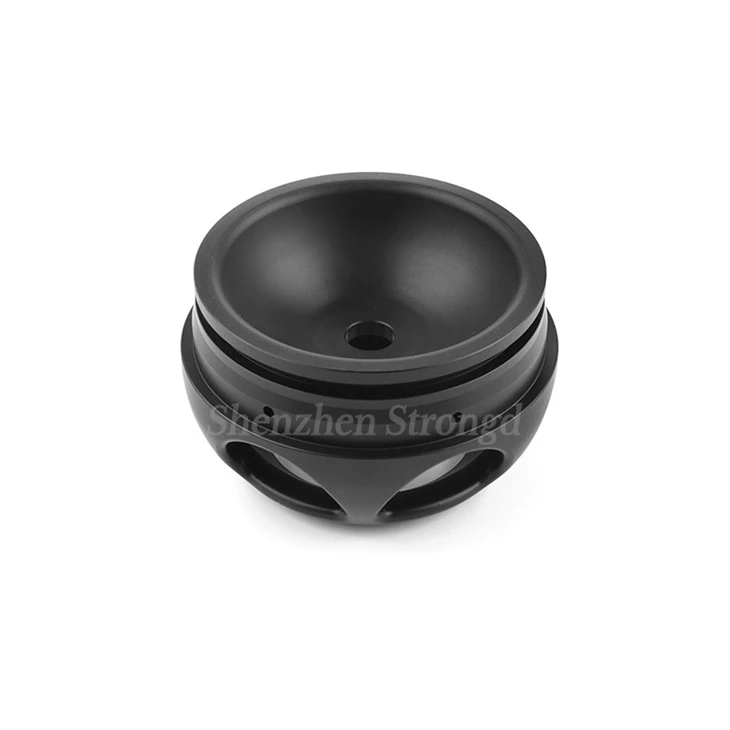
In the consumer goods industry, Nylon SLS Printing is used to create a variety of products, such as sports equipment, electronic device housings, and fashion accessories. Sports equipment, like bicycle pedals or ski bindings, needs to withstand repeated impacts and loading during use. Electronic device housings need to protect the internal components from vibrations and shocks. Good fatigue resistance ensures that these products can provide long - lasting performance and durability, meeting the expectations of consumers.
Comparing Nylon SLS Printing Parts with Other 3D Printing Technologies
When compared to other 3D printing technologies, such as Fused Deposition Modeling (FDM) or Stereolithography (SLA), Nylon SLS Printing parts generally offer better fatigue resistance. FDM parts are created by extruding a thermoplastic filament layer by layer. The layer - by - layer nature of the FDM process can result in weak interfaces between the layers, which can reduce fatigue resistance. SLA parts are made by curing a liquid resin with a laser. While SLA parts can have high precision and smooth surface finishes, they may be more brittle and have lower fatigue resistance compared to Nylon SLS Printing parts.
In addition, when comparing with other manufacturing processes, like injection molding, Nylon SLS Printing offers greater design freedom and the ability to produce small - batch or customized parts. Although injection - molded parts may have consistent mechanical properties due to the high - pressure molding process, Nylon SLS Printing can achieve comparable fatigue resistance in many cases, especially when the design is optimized for the SLS process.
Our Expertise as a Nylon SLS Printing Supplier
As a [Your Company's Claim to Fame] Nylon SLS Printing supplier, we have extensive experience in optimizing the fatigue resistance of our printed parts. Our team of engineers and technicians carefully selects the appropriate nylon material based on the specific application requirements. We use state - of - the - art SLS printing equipment and continuously monitor and adjust the printing parameters to ensure the best possible mechanical properties.
We also offer comprehensive post - processing services, including heat treatment and surface finishing, to further enhance the fatigue resistance of our parts. Our quality control process includes rigorous testing of the printed parts to ensure that they meet or exceed the customer's specifications. Whether you need a single prototype or a large - scale production run, we can provide high - quality Nylon SLS Printing parts with excellent fatigue resistance.
Conclusion
The fatigue resistance of Nylon SLS Printing parts is a critical factor that determines their performance and reliability in various applications. By understanding the factors that affect fatigue resistance, such as material properties, printing parameters, and post - processing, we can optimize the production process to create parts that can withstand the rigors of real - world use.
If you are looking for high - quality Nylon SLS Printing parts with excellent fatigue resistance, we invite you to [Contact Method]. Our team of experts is ready to discuss your project requirements, provide technical support, and offer customized solutions to meet your needs. Let us help you bring your innovative designs to life with our advanced Nylon SLS Printing technology.
References
- Gibson, I., Rosen, D. W., & Stucker, B. (2015). Additive Manufacturing Technologies: 3D Printing, Rapid Prototyping, and Direct Digital Manufacturing. Springer.
- Chua, C. K., & Leong, K. F. (2014). Rapid Prototyping: Principles and Applications. World Scientific.
- ASTM International. (2019). Standard Test Methods for Fatigue Testing of Plastics. ASTM D671 - 12(2019).