
Hey there! As a supplier of robot accessories, I've seen firsthand how crucial it is for robots to have a reliable power source. In this blog, I'm gonna break down how robot charging accessories charge the battery. It's gonna be a fun ride, so let's dive in!
The Basics of Robot Batteries
Before we get into how the charging accessories work, we need to understand a bit about robot batteries. Most robots use rechargeable batteries, like lithium - ion or nickel - metal hydride. These batteries are great because they can be charged and discharged multiple times, which is super important for robots that are used regularly.
Lithium - ion batteries, for example, are popular because they have a high energy density. That means they can store a lot of energy in a relatively small space, which is perfect for robots that need to be compact. Nickel - metal hydride batteries, on the other hand, are a bit more environmentally friendly and can handle a lot of charge - discharge cycles.
Types of Robot Charging Accessories
There are a few different types of charging accessories out there, and each has its own way of getting the job done.
Wired Chargers
Wired chargers are the most common type of charging accessory. They're pretty straightforward - you plug one end into the robot and the other end into a power outlet. The charger then converts the electrical current from the outlet into a form that the battery can accept.
For example, a typical wired charger for a small robot might have a voltage regulator. This regulator makes sure that the voltage going into the battery is at the right level. If the voltage is too high, it could damage the battery; if it's too low, the battery won't charge properly.
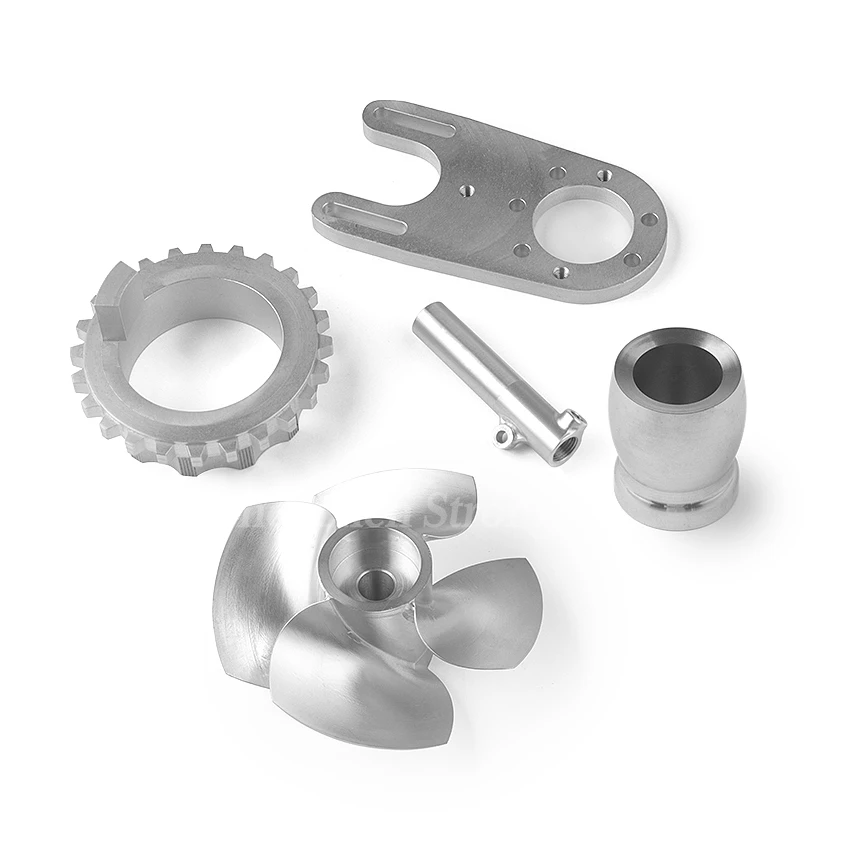
Some of our CNC Milling Plastic Robotic Model comes with a high - quality wired charger. These chargers are designed to be efficient and safe, so you don't have to worry about overcharging or other issues.
Wireless Chargers
Wireless chargers are becoming more and more popular these days. They use electromagnetic induction to transfer energy from the charger to the robot's battery.
Here's how it works: the charger has a coil that creates an alternating magnetic field when it's plugged in. The robot has a corresponding coil inside it. When the robot is placed on the charger, the magnetic field induces an electrical current in the robot's coil, which then charges the battery.
One of the great things about wireless chargers is that they're really convenient. You don't have to mess around with cables, and you can just place the robot on the charger and it'll start charging. We offer wireless chargers for some of our CNC Robot Arms. These chargers are designed to be compatible with the specific power requirements of the robot arms.
Solar Chargers
Solar chargers are a more eco - friendly option. They use solar panels to convert sunlight into electricity, which is then used to charge the robot's battery.
The solar panels on a solar charger are made up of photovoltaic cells. These cells absorb sunlight and generate an electrical current. The current is then regulated and stored in a battery or used directly to charge the robot.
Solar chargers are great for robots that are used outdoors a lot. They can keep the robot powered up without the need for a traditional power source. If you're into Robotic Parts Manufacturing and want to make your robots more sustainable, solar chargers are definitely worth considering.
The Charging Process
Now that we know about the different types of charging accessories, let's take a closer look at the charging process itself.
Initial Detection
When you connect a robot to a charger (either wired or wireless), the charger first needs to detect the battery. It checks things like the battery's voltage, capacity, and state of charge. This information helps the charger determine how much power to send to the battery.
Constant - Current Charging
Once the charger has detected the battery, it starts the charging process. In the beginning, the charger usually supplies a constant current to the battery. This is because when the battery is low on charge, it can accept a relatively high current without getting damaged.
For example, if a battery has a capacity of 1000mAh (milliamp - hours), the charger might supply a current of 500mA during the constant - current phase. This helps the battery charge up quickly at first.
Constant - Voltage Charging
As the battery gets closer to being fully charged, the charger switches to a constant - voltage mode. In this mode, the charger maintains a constant voltage while the current gradually decreases.
This is important because if the charger continued to supply a high current when the battery is almost full, it could overheat the battery and cause damage. By reducing the current as the voltage remains constant, the charger ensures a safe and efficient charging process.
Trickle Charging
Once the battery is almost fully charged, the charger might switch to a trickle - charging mode. In this mode, the charger supplies a very small amount of current to the battery to keep it fully charged.
Trickle charging is like a top - up. It helps to compensate for any self - discharge that might occur in the battery over time.
Factors Affecting Charging
There are a few factors that can affect how well a robot's battery charges.

Temperature
Temperature plays a big role in battery charging. Batteries work best at a certain temperature range. If it's too cold, the chemical reactions inside the battery slow down, and the charging process can take longer. If it's too hot, the battery can overheat, which can damage it.
That's why some chargers have temperature sensors. These sensors monitor the temperature of the battery and adjust the charging process accordingly.
Battery Age
As a battery gets older, its capacity and performance can decline. An old battery might not hold a charge as well as a new one, and it might take longer to charge.
When you're using a robot, it's a good idea to keep an eye on the battery's performance. If you notice that the battery is taking longer to charge or isn't lasting as long as it used to, it might be time to replace it.
Conclusion
So, there you have it - a breakdown of how robot charging accessories charge the battery. Whether it's a wired charger, a wireless charger, or a solar charger, each type has its own way of getting the job done.
As a supplier of robot accessories, we're always looking for ways to improve the charging process. We offer a wide range of high - quality charging accessories that are designed to be efficient, safe, and compatible with different types of robots.
If you're in the market for robot accessories, including charging accessories, we'd love to hear from you. Whether you're a hobbyist building your own robot or a business involved in Robotic Parts Manufacturing, we can provide you with the products you need. Just reach out to us, and we'll be happy to have a chat about your requirements and how we can help you.
References
- Battery University - A great resource for all things related to batteries, including charging processes and battery types.
- Robotics Today - Offers in - depth articles on the latest trends and technologies in the robotics industry, including charging solutions.