
What are the robot environmental - sensing accessories?
In the ever - evolving landscape of robotics, environmental - sensing accessories play a pivotal role in enabling robots to interact effectively with their surroundings. As a leading supplier of robot accessories, I am excited to delve into the world of these essential components and shed light on their significance, types, and applications.
The Significance of Environmental - Sensing Accessories
Robots are no longer confined to controlled factory settings. They are being deployed in diverse environments such as homes, hospitals, warehouses, and even outdoor terrains. To operate safely and efficiently in these dynamic settings, robots need to perceive and understand their environment. Environmental - sensing accessories provide robots with the ability to gather information about their surroundings, including the presence of objects, obstacles, changes in temperature, humidity, and light conditions. This information is then used by the robot's control system to make informed decisions, plan movements, and avoid collisions.

Types of Robot Environmental - Sensing Accessories
1. Vision Sensors
Vision sensors are one of the most common types of environmental - sensing accessories. They include cameras, depth sensors, and LiDAR (Light Detection and Ranging) systems.
- Cameras: Cameras can capture visual information about the robot's environment in the form of images or videos. They are used for tasks such as object recognition, navigation, and inspection. For example, in a warehouse, a robot equipped with a camera can identify different types of packages and pick them up accordingly.
- Depth Sensors: Depth sensors, such as stereo cameras and time - of - flight sensors, can measure the distance between the robot and objects in its environment. This information is crucial for tasks like obstacle avoidance and 3D mapping.
- LiDAR: LiDAR systems emit laser beams and measure the time it takes for the light to bounce back from objects. They can create highly accurate 3D maps of the environment, which are used in autonomous vehicles, drones, and robotic exploration.
2. Proximity Sensors
Proximity sensors are used to detect the presence of objects in the vicinity of the robot. They work based on different principles, such as infrared, ultrasonic, and capacitive sensing.
- Infrared Proximity Sensors: These sensors emit infrared light and measure the reflection of the light from nearby objects. They are commonly used in robots for obstacle detection and collision avoidance.
- Ultrasonic Proximity Sensors: Ultrasonic sensors emit high - frequency sound waves and measure the time it takes for the waves to bounce back from objects. They are suitable for detecting objects at a relatively long distance and are often used in robotic vacuum cleaners.
- Capacitive Proximity Sensors: Capacitive sensors detect changes in capacitance caused by the presence of an object. They are sensitive to both conductive and non - conductive materials and are used in applications where precise object detection is required.
3. Temperature and Humidity Sensors
Temperature and humidity sensors are used to measure the environmental conditions around the robot. This information is important for ensuring the proper functioning of the robot's components and for tasks such as climate control in smart homes. For example, a robot in a greenhouse can use temperature and humidity sensors to monitor the growing conditions and adjust the ventilation and irrigation systems accordingly.
4. Gas Sensors
Gas sensors are used to detect the presence of specific gases in the environment. They are crucial in applications where the detection of harmful gases is necessary, such as in industrial settings and environmental monitoring. For instance, a robot used in a chemical plant can be equipped with gas sensors to detect the leakage of toxic gases.
Applications of Robot Environmental - Sensing Accessories
1. Industrial Automation
In industrial settings, robots are used for tasks such as assembly, welding, and material handling. Environmental - sensing accessories enable these robots to work safely and efficiently in complex environments. For example, a robotic arm in a manufacturing plant can use vision sensors to identify the position and orientation of parts, and proximity sensors to avoid collisions with other equipment.
2. Logistics and Warehousing
In logistics and warehousing, robots are used for tasks such as inventory management, order picking, and package sorting. Vision sensors and proximity sensors help these robots navigate through the warehouse, locate items, and avoid obstacles. For example, an autonomous guided vehicle (AGV) can use LiDAR and cameras to map the warehouse layout and move around safely.
3. Healthcare
In the healthcare industry, robots are used for tasks such as patient care, surgery, and rehabilitation. Environmental - sensing accessories can help these robots interact with patients and the hospital environment. For example, a robot used for patient monitoring can use temperature and humidity sensors to ensure a comfortable environment for the patient.
4. Home Automation
In home automation, robots are used for tasks such as cleaning, security, and entertainment. Vision sensors, proximity sensors, and temperature sensors enable these robots to perform their tasks effectively. For example, a robotic vacuum cleaner can use infrared sensors to detect obstacles and clean the floor efficiently.
Our Product Offerings
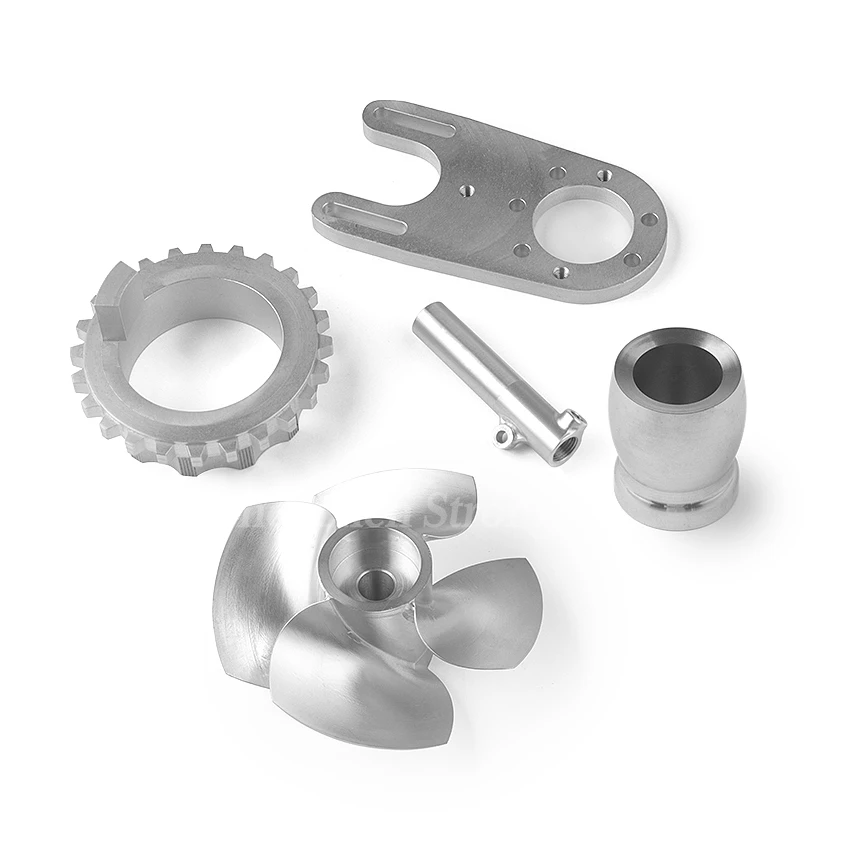
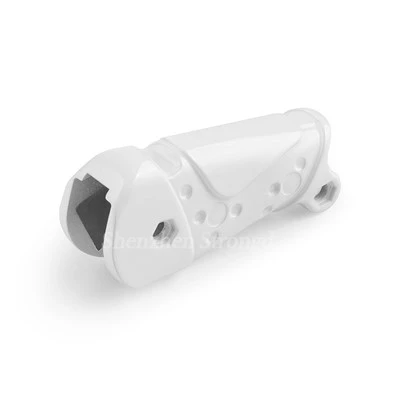
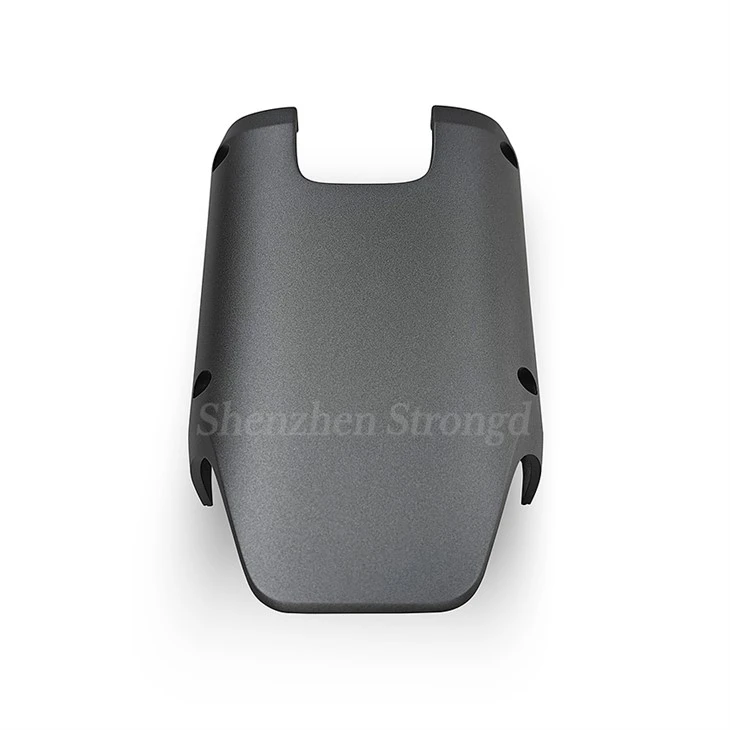
As a robot accessories supplier, we offer a wide range of environmental - sensing accessories to meet the diverse needs of our customers. In addition to these sensors, we also provide high - quality Plastic Robot Shell that are durable and lightweight, suitable for various types of robots. Our Robotic Parts Manufacturing services ensure that the parts are precisely engineered to meet the highest standards. We also offer CNC Milling Plastic Robotic Model that are customized according to the specific requirements of our customers.
Why Choose Us
- Quality Assurance: We adhere to strict quality control measures to ensure that all our products meet the highest standards. Our environmental - sensing accessories are rigorously tested to ensure their accuracy and reliability.
- Customization: We understand that different customers have different needs. That's why we offer customization services to tailor our products to the specific requirements of our customers.
- Technical Support: Our team of experienced engineers and technicians is always ready to provide technical support and assistance to our customers. Whether you have questions about product installation, operation, or maintenance, we are here to help.
Contact Us for Procurement
If you are interested in our robot environmental - sensing accessories or other products, we invite you to contact us for procurement discussions. We are committed to providing you with the best products and services at competitive prices. Our team will be happy to assist you in finding the right solutions for your robotic applications.
References
- Siciliano, Bruno, and Oussama Khatib, eds. Springer Handbook of Robotics. Springer, 2016.
- Craig, John J. Introduction to Robotics: Mechanics and Control. Pearson, 2017.
- Thrun, Sebastian, Wolfram Burgard, and Dieter Fox. Probabilistic Robotics. MIT Press, 2005.