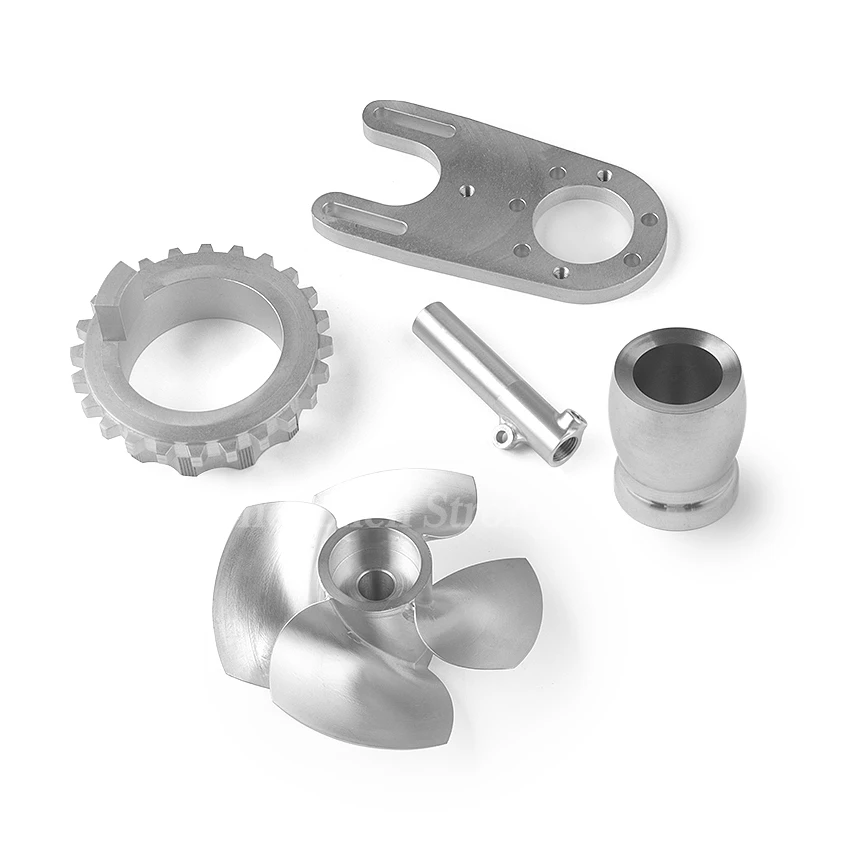

Hey there! As a supplier of Nylon SLS Printing, I've been diving deep into how we can optimize energy consumption in this process. It's not just about saving costs; it's also about being more environmentally friendly. Let's break down some key ways to make Nylon SLS Printing more energy - efficient.
Understanding the Basics of Nylon SLS Printing
Before we jump into energy optimization, let's quickly go over what Nylon SLS Printing is. Selective Laser Sintering (SLS) is a 3D - printing technology that uses a high - power laser to sinter small particles of nylon powder together, layer by layer, to create a solid object. This process involves heating the powder to its melting point, which is where a significant amount of energy is consumed.
Optimizing the Printing Process
1. Part Design
One of the first steps in energy optimization is part design. By creating parts with a more efficient structure, we can reduce the amount of material and energy needed. For example, using lattice structures instead of solid parts can significantly decrease the volume of powder that needs to be sintered. Lattice structures are lightweight but still maintain high strength, which is perfect for many applications.
When designing parts, we should also aim to minimize overhangs. Overhangs often require support structures, and building these support structures consumes additional energy and material. By designing parts with self - supporting geometries, we can eliminate the need for these extra structures.
2. Build Orientation
The orientation of the part in the build chamber can have a big impact on energy consumption. Placing parts in an orientation that minimizes the number of layers can reduce the overall printing time and energy usage. For instance, if a part has a long, thin shape, orienting it horizontally rather than vertically can reduce the number of layers and thus the energy needed to sinter each layer.


3. Batch Printing
Batch printing is a great way to optimize energy consumption. Instead of printing parts one by one, we can group multiple parts together in a single build. This way, the energy used to heat up the build chamber and maintain the printing environment is spread across multiple parts. The initial energy investment in heating the chamber is the same whether we print one part or multiple parts, so batch printing makes the most of that energy.
Equipment - Level Optimization
1. Laser Efficiency
The laser is a major energy consumer in Nylon SLS Printing. To optimize energy consumption, we need to ensure that the laser is operating at its highest efficiency. This means regular maintenance, such as cleaning the laser optics and checking the laser power output. A well - maintained laser will use less energy to achieve the same sintering results.
2. Chamber Insulation
Improving the insulation of the build chamber can also save a significant amount of energy. A well - insulated chamber can better retain heat, reducing the energy needed to maintain the required temperature during the printing process. We can use high - quality insulation materials around the chamber to prevent heat loss.
3. Energy - Saving Modes
Many modern Nylon SLS printers come with energy - saving modes. These modes can automatically adjust the printer's settings when it's not actively printing, such as reducing the power consumption of the heating elements or the laser. By enabling these energy - saving modes, we can cut down on unnecessary energy usage.
Material - Related Considerations
1. Powder Recycling
Recycling nylon powder is not only environmentally friendly but also energy - efficient. When we recycle powder, we reduce the need to produce new powder, which requires a significant amount of energy. After each print, we can collect the unsintered powder and reuse it in future prints. However, we need to ensure that the recycled powder meets the quality standards for printing.
2. Material Selection
Not all nylon materials have the same energy requirements during printing. Some types of nylon may require higher temperatures or longer sintering times, which means more energy consumption. By carefully selecting the appropriate nylon material for each application, we can optimize energy usage. For example, if a part doesn't need to have extremely high strength, we can choose a nylon material that requires less energy to sinter.
Real - World Examples and Benefits
Let's take a look at some real - world examples of how these energy - optimization strategies work. A company that used lattice structures in their part design was able to reduce the energy consumption of their Nylon SLS Printing process by 30%. Another company that implemented batch printing saw a 25% reduction in energy costs.
The benefits of energy optimization in Nylon SLS Printing are not just limited to cost savings. By reducing energy consumption, we also lower our carbon footprint, which is becoming increasingly important in today's environmentally conscious world. It also makes our products more competitive in the market, as customers are often looking for more sustainable manufacturing options.
Related Services and Products
If you're interested in Nylon SLS Printing or other 3D - printing services, we offer a range of options. Check out our SLM 3D Printing Stainless Steel Model and SLS 3D Printing PA Parts. Of course, our Nylon SLS Printing service is designed to be as energy - efficient as possible, using the strategies we've discussed above.
Contact for Procurement
If you're looking to start a project with Nylon SLS Printing or want to learn more about how we can optimize energy consumption for your specific needs, we'd love to hear from you. Reach out to us, and we can have a detailed discussion about your requirements and how we can work together to achieve energy - efficient and high - quality 3D printing.
References
- Gibson, I., Rosen, D. W., & Stucker, B. (2010). Additive Manufacturing Technologies: Rapid Prototyping to Direct Digital Manufacturing. Springer.
- Hopkinson, N., Hague, R., & Dickens, P. M. (2006). Rapid Manufacturing: An Industrial Revolution for the Digital Age. John Wiley & Sons.
- Wohlers, T. (2018). Wohlers Report 2018: 3D Printing and Additive Manufacturing State of the Industry. Wohlers Associates.