
When it comes to 3D printing, selecting the right resin is crucial for achieving the desired results. As a seasoned 3D Resin Printing supplier, I've witnessed firsthand how the choice of resin can significantly impact the quality, durability, and functionality of 3D-printed objects. In this blog post, I'll share some valuable insights on how to choose the right resin for your 3D printing projects.
Understanding the Basics of 3D Printing Resins
Before delving into the selection process, it's essential to understand the different types of 3D printing resins available in the market. The most common types include:
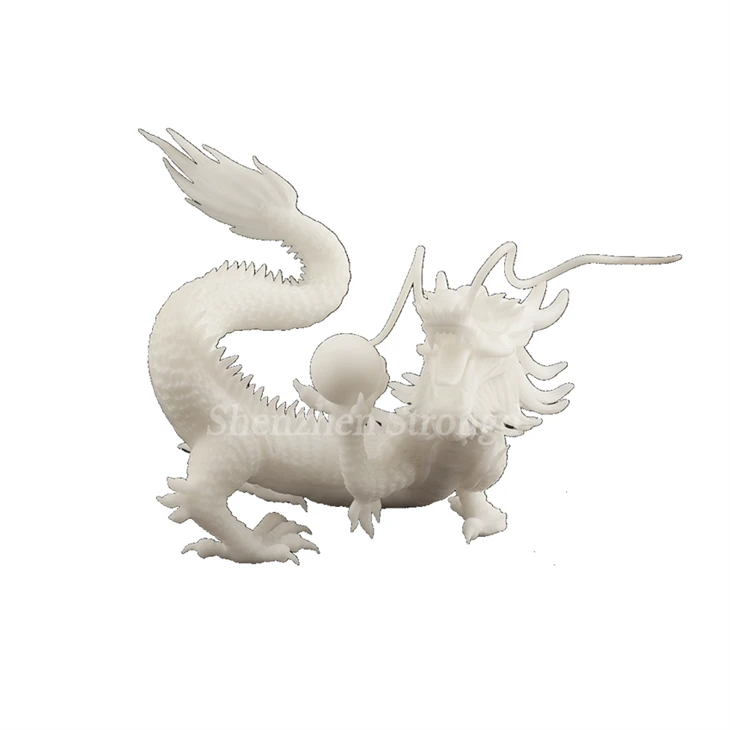
- Standard Resins: These are the most basic and widely used resins. They offer good detail and surface finish, making them suitable for a variety of applications, such as 3D-printed Figurines.
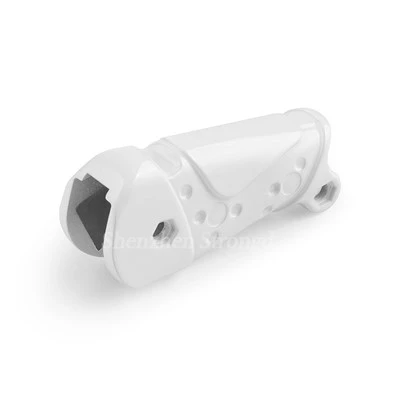
- Tough Resins: As the name suggests, tough resins are designed to be more durable and resistant to impact. They are ideal for creating functional parts that need to withstand stress, like 3D Printing Service ABS Plastic Rapid Prototype.
- Flexible Resins: Flexible resins can bend and stretch without breaking, making them perfect for applications that require elasticity, such as gaskets or soft components.
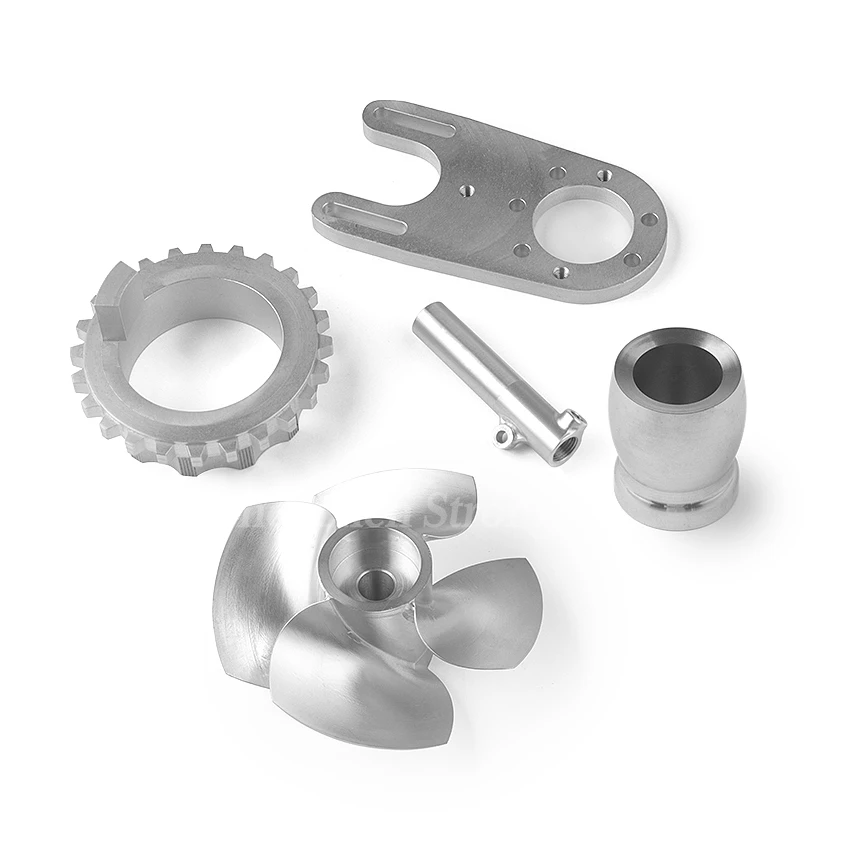
- High-Temperature Resins: These resins can withstand elevated temperatures without deforming, making them suitable for parts that will be exposed to heat, like SLA 3D Printing Pc Parts.
- Dental and Medical Resins: Specifically formulated for dental and medical applications, these resins meet strict safety and biocompatibility standards.
Factors to Consider When Choosing a Resin
1. Application Requirements
The first step in choosing the right resin is to clearly define the intended application of your 3D-printed object. Consider the following questions:
- What is the purpose of the part? Is it for display, functional use, or a specific industry application?
- What mechanical properties does the part need to have? For example, does it need to be strong, flexible, or heat-resistant?
- What level of detail and surface finish is required? Some resins offer higher resolution and smoother surfaces than others.
For instance, if you're printing a decorative figurine, a standard resin with good detail and a smooth finish would be a suitable choice. On the other hand, if you're creating a functional part that will be subjected to mechanical stress, a tough resin would be more appropriate.
2. Printing Technology
Different 3D printing technologies, such as Stereolithography (SLA) and Digital Light Processing (DLP), have specific resin requirements. Make sure the resin you choose is compatible with your 3D printer. Check the printer's specifications and the resin manufacturer's recommendations to ensure a proper match.
3. Cost
Cost is an important factor to consider, especially for large-scale or high-volume printing projects. Resin prices can vary significantly depending on the type, brand, and quantity. While it's tempting to opt for the cheapest option, keep in mind that quality often comes at a price. Cheaper resins may have lower performance or require more post-processing, which can increase the overall cost in the long run.
4. Post-Processing Requirements
Some resins require extensive post-processing to achieve the desired finish and properties. This may include washing, curing, sanding, or painting. Consider the time and resources required for post-processing when choosing a resin. If you're looking for a quick turnaround or have limited post-processing capabilities, choose a resin that requires minimal post-processing.
5. Environmental Considerations
If environmental sustainability is a concern, look for resins that are biodegradable or have a low environmental impact. Some resin manufacturers offer eco-friendly options that are made from renewable materials or have reduced emissions during the printing process.
Evaluating Resin Properties
Once you've considered the above factors, it's time to evaluate the specific properties of the resins you're considering. Here are some key properties to look for:
1. Tensile Strength
Tensile strength measures the maximum amount of stress a material can withstand before breaking under tension. A higher tensile strength indicates a stronger and more durable resin. This property is particularly important for functional parts that will be subjected to pulling or stretching forces.
2. Flexural Strength
Flexural strength refers to the ability of a material to resist bending. It is important for parts that will be subjected to bending or flexing forces, such as beams or brackets.
3. Hardness
Hardness is a measure of a material's resistance to indentation or scratching. A harder resin is more resistant to wear and tear, making it suitable for parts that will come into contact with other objects or surfaces.
4. Elongation at Break
Elongation at break measures the amount of stretching a material can undergo before breaking. A higher elongation at break indicates a more flexible resin, which is desirable for applications that require elasticity.
5. Chemical Resistance
If the 3D-printed part will be exposed to chemicals or solvents, consider the resin's chemical resistance. Some resins are more resistant to certain chemicals than others, so choose a resin that can withstand the specific chemicals it will encounter.
Testing and Sampling
Before committing to a large quantity of resin, it's a good idea to order samples and conduct some test prints. This will allow you to evaluate the resin's performance, compatibility with your printer, and the quality of the printed parts. Pay attention to factors such as printability, detail, surface finish, and mechanical properties.

Conclusion
Choosing the right resin for 3D printing is a critical decision that can have a significant impact on the success of your project. By considering the application requirements, printing technology, cost, post-processing requirements, and environmental considerations, you can narrow down your options and select the resin that best meets your needs. Remember to evaluate the resin's properties and conduct test prints before making a final decision.
If you're still unsure which resin is right for your project, or if you have any questions about our 3D resin printing services, please don't hesitate to contact us. Our team of experts is here to help you make the best choice and ensure the success of your 3D printing endeavors. We look forward to working with you and helping you bring your ideas to life.
References
- ASTM International. (2023). ASTM standards for 3D printing materials.
- Resin manufacturers' technical datasheets.
- Industry research reports on 3D printing materials.