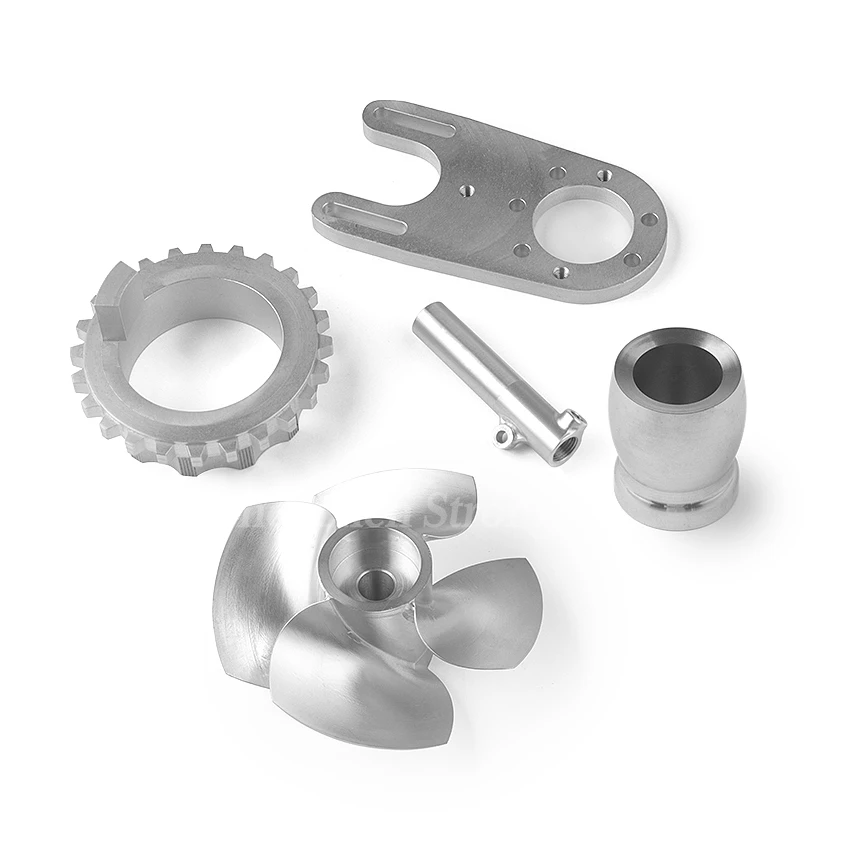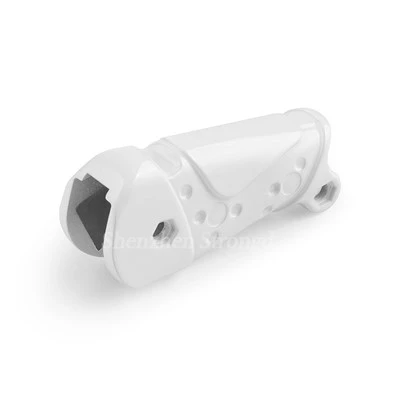

As a provider of SLA 3D Model Making, I understand the significance of proper curing in SLA 3D printing. Stereolithography (SLA) is a popular 3D printing technology that uses a laser to cure liquid resin into solid objects layer by layer. However, the curing process is not as simple as it may seem. Improper curing can lead to a range of issues, from reduced mechanical strength and durability to surface imperfections and dimensional inaccuracies. In this blog post, I will share some key strategies to ensure the proper curing of SLA 3D models.
Understanding the Curing Process
Before delving into the strategies, it's essential to understand the basic principles of the SLA curing process. In SLA 3D printing, the liquid resin contains photoinitiators that react to specific wavelengths of light, typically in the ultraviolet (UV) spectrum. When the laser or light source exposes the resin to UV light, the photoinitiators absorb the energy and start a chemical reaction called polymerization. This reaction causes the resin to harden and solidify, forming the desired 3D object.
The curing process is influenced by several factors, including the type of resin, the intensity and duration of the light exposure, the temperature, and the post - processing steps. Each of these factors needs to be carefully controlled to achieve optimal results.
Choosing the Right Resin
The choice of resin is the first and most critical step in ensuring proper curing. Different resins have different chemical compositions, which means they require different curing conditions. For example, some resins are formulated for high - strength applications, while others are designed for high - detail or flexible parts.
When selecting a resin, it's important to consider the specific requirements of your project. If you need a part with high mechanical strength, choose a resin that is known for its durability. For parts with intricate details, a resin with high resolution and low viscosity may be more suitable.
It's also crucial to follow the manufacturer's recommendations for curing the resin. The manufacturer will typically provide information on the optimal light intensity, exposure time, and temperature for their resin. Using a resin that is not compatible with your curing equipment or process can lead to poor results.

Controlling Light Intensity and Exposure Time
The intensity and duration of the light exposure are two of the most important factors in the curing process. Insufficient light exposure can result in under - cured parts, which are soft, brittle, and prone to deformation. On the other hand, excessive light exposure can cause over - curing, which can lead to cracking, warping, and a loss of detail.
To determine the optimal light intensity and exposure time, it's recommended to perform test prints. Start with the manufacturer's suggested settings and make small adjustments based on the results. You can use a UV light meter to measure the actual light intensity at the surface of the resin during the curing process. This will help you ensure that the light intensity is consistent across the entire build area.
In addition to the initial curing during the printing process, post - curing is also an important step. Post - curing involves exposing the printed part to additional UV light after it has been removed from the printer. This helps to fully cure the resin and improve the mechanical properties of the part. The post - curing time and intensity will depend on the type of resin and the size and complexity of the part.
Maintaining the Right Temperature
Temperature plays a significant role in the SLA curing process. Resin viscosity is highly temperature - dependent, and the chemical reaction of polymerization is also affected by temperature. If the temperature is too low, the resin may become too viscous, making it difficult for the laser to penetrate and cure the resin properly. Conversely, if the temperature is too high, the resin may cure too quickly, leading to uneven curing and potential defects.
Most SLA printers have a built - in temperature control system to maintain a stable environment during the printing process. It's important to keep the printer in a temperature - controlled room and monitor the temperature regularly. The ideal temperature for SLA 3D printing typically ranges from 20°C to 25°C (68°F to 77°F), but this can vary depending on the resin.
Cleaning and Post - Processing
Proper cleaning and post - processing are essential for ensuring the proper curing of SLA 3D models. After the printing is complete, the part is usually covered with uncured resin. This uncured resin needs to be removed before post - curing to prevent it from interfering with the curing process.
The most common method for cleaning SLA parts is to soak them in a solvent, such as isopropyl alcohol (IPA). Soaking the part in IPA for a few minutes can dissolve the uncured resin. After soaking, the part should be gently agitated to remove any remaining resin from the surface and cavities.
Once the part is clean, it can be dried and then post - cured. After post - curing, additional finishing steps, such as sanding, polishing, or painting, can be performed to improve the surface quality of the part. These finishing steps should be carried out carefully to avoid damaging the cured part.
Quality Control and Inspection
Quality control and inspection are crucial steps in ensuring the proper curing of SLA 3D models. After post - curing, the part should be inspected for any signs of under - curing or over - curing. Visual inspection can reveal surface imperfections, such as bubbles, cracks, or unevenness. Additionally, mechanical testing can be performed to evaluate the strength and durability of the part.
If any issues are detected during the inspection, adjustments can be made to the curing process. For example, if the part is under - cured, the post - curing time or light intensity can be increased. If the part is over - cured, the curing parameters can be adjusted accordingly.
Conclusion
Proper curing is essential for producing high - quality SLA 3D models. By choosing the right resin, controlling the light intensity and exposure time, maintaining the right temperature, performing proper cleaning and post - processing, and conducting thorough quality control, you can ensure that your SLA 3D models are fully cured and have the desired mechanical properties and surface quality.
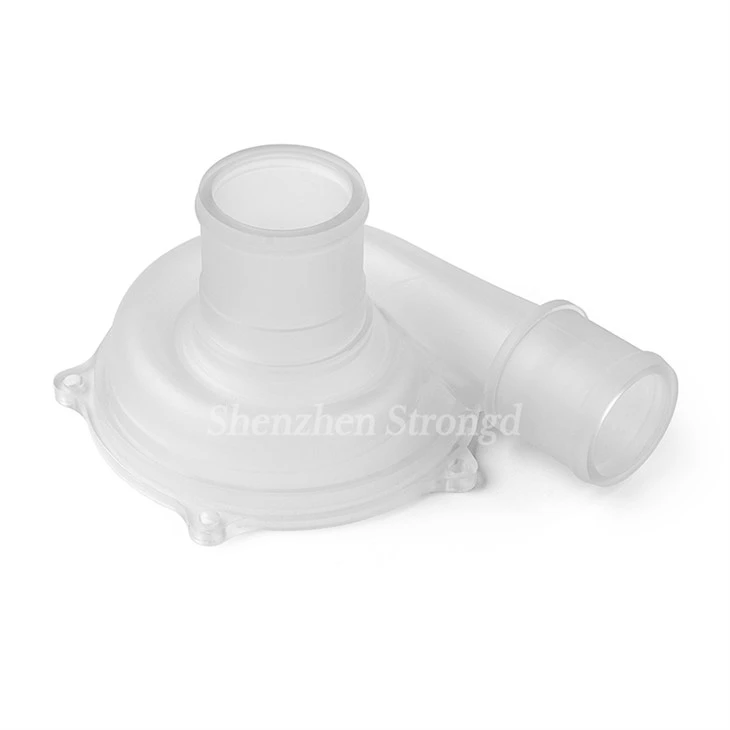
As a SLA 3D Model Making provider, we have extensive experience in optimizing the curing process for various types of SLA 3D printing projects. Whether you need SLA 3D Printing Pc Parts or Resin 3D Printing Parts, we can help you achieve the best results. If you are interested in our services or have any questions about SLA 3D printing and curing, please feel free to contact us to discuss your procurement needs.
References
- Gibson, I., Rosen, D. W., & Stucker, B. (2015). Additive Manufacturing Technologies: 3D Printing, Rapid Prototyping, and Direct Digital Manufacturing. Springer.
- Wohlers, T., & Wohlers Associates. (2020). Wohlers Report 2020: 3D Printing and Additive Manufacturing State of the Industry. Wohlers Associates.