
Precision machining is a critical process in the manufacturing of construction machinery. As a precision machining supplier, I understand the importance of meeting the exacting requirements of this industry. In this blog post, I will discuss the key precision machining requirements for construction machinery, including material selection, dimensional accuracy, surface finish, and tolerance control.
Material Selection
The choice of materials is fundamental in precision machining for construction machinery. Construction equipment often operates in harsh environments, enduring heavy loads, high temperatures, and exposure to corrosive substances. Therefore, the materials used must possess high strength, durability, and resistance to wear and corrosion.
Common materials for construction machinery components include steel, aluminum, and cast iron. Steel is a popular choice due to its excellent strength and toughness. It can withstand heavy loads and is suitable for parts such as gears, shafts, and structural components. Aluminum, on the other hand, is lightweight and has good corrosion resistance. It is often used in applications where weight reduction is crucial, such as in engine components and hydraulic systems. Cast iron is known for its high damping capacity and wear resistance, making it ideal for parts like engine blocks and machine tool bases.
When selecting materials, it is essential to consider the specific requirements of the construction machinery component. Factors such as the operating conditions, load capacity, and cost must be taken into account. As a precision machining supplier, we work closely with our customers to understand their needs and recommend the most suitable materials for their applications.
Dimensional Accuracy
Dimensional accuracy is one of the most critical requirements in precision machining for construction machinery. Components must be machined to precise dimensions to ensure proper fit and function. Even a small deviation from the specified dimensions can lead to problems such as poor performance, increased wear, and potential failure of the machinery.
To achieve high dimensional accuracy, advanced machining techniques and equipment are used. Computer Numerical Control (CNC) machining is a widely used method in precision machining. CNC machines are programmed to control the movement of cutting tools with high precision, allowing for the production of complex and accurate parts. The use of CNC machining ensures repeatability and consistency in the manufacturing process, reducing the risk of errors.
In addition to CNC machining, metrology equipment is used to measure and verify the dimensions of the machined parts. Coordinate Measuring Machines (CMMs) are commonly used to measure the geometric features of components with high accuracy. These machines use probes to touch the surface of the part and collect data, which is then analyzed to determine if the part meets the specified dimensions.
Surface Finish
The surface finish of construction machinery components is also an important consideration. A smooth surface finish can reduce friction, improve wear resistance, and enhance the overall performance of the machinery. In addition, a good surface finish can prevent the accumulation of dirt and debris, which can cause damage to the components over time.
The surface finish requirements for construction machinery components vary depending on the application. For example, components that come into contact with other parts, such as bearings and seals, require a very smooth surface finish to ensure proper operation. On the other hand, components that are exposed to the environment, such as hydraulic cylinders and pistons, may require a more rugged surface finish to resist corrosion and wear.
To achieve the desired surface finish, various machining processes can be used. Grinding, honing, and polishing are common methods for producing a smooth surface finish. These processes remove a small amount of material from the surface of the part, resulting in a finer finish. In addition, surface treatments such as plating and coating can be applied to improve the corrosion resistance and wear properties of the components.
Tolerance Control
Tolerance control is closely related to dimensional accuracy and surface finish. Tolerances are the allowable variations in the dimensions and surface finish of a part. They are specified in the engineering drawings to ensure that the part will function properly within a certain range of variation.
In precision machining for construction machinery, tight tolerances are often required to ensure the proper fit and function of the components. Tolerances can be affected by various factors, such as the machining process, the material properties, and the measurement equipment. Therefore, it is essential to have a strict quality control system in place to monitor and control the tolerances during the manufacturing process.
As a precision machining supplier, we use advanced quality control techniques to ensure that our parts meet the specified tolerances. This includes regular inspection of the machined parts using metrology equipment, as well as statistical process control (SPC) methods to monitor the manufacturing process and detect any potential issues early.
Importance of Precision Machining in Construction Machinery
Precision machining plays a crucial role in the performance and reliability of construction machinery. High-quality machined components ensure that the machinery operates smoothly, efficiently, and safely. By meeting the strict requirements for material selection, dimensional accuracy, surface finish, and tolerance control, precision machining helps to extend the lifespan of the construction machinery and reduce maintenance costs.


In addition, precision machining allows for the production of complex and innovative designs. With the use of advanced machining techniques and equipment, it is possible to create components with intricate shapes and features that were previously difficult or impossible to manufacture. This enables the development of more advanced and efficient construction machinery, which can improve productivity and reduce environmental impact.
Our Services as a Precision Machining Supplier
As a precision machining supplier, we offer a wide range of services to meet the needs of the construction machinery industry. Our services include:
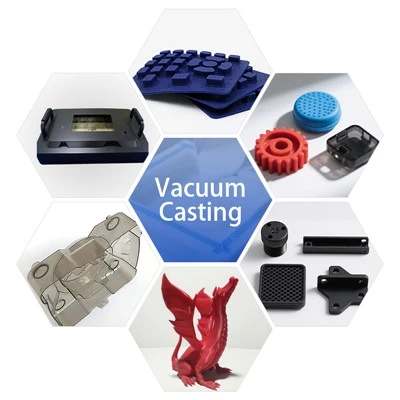
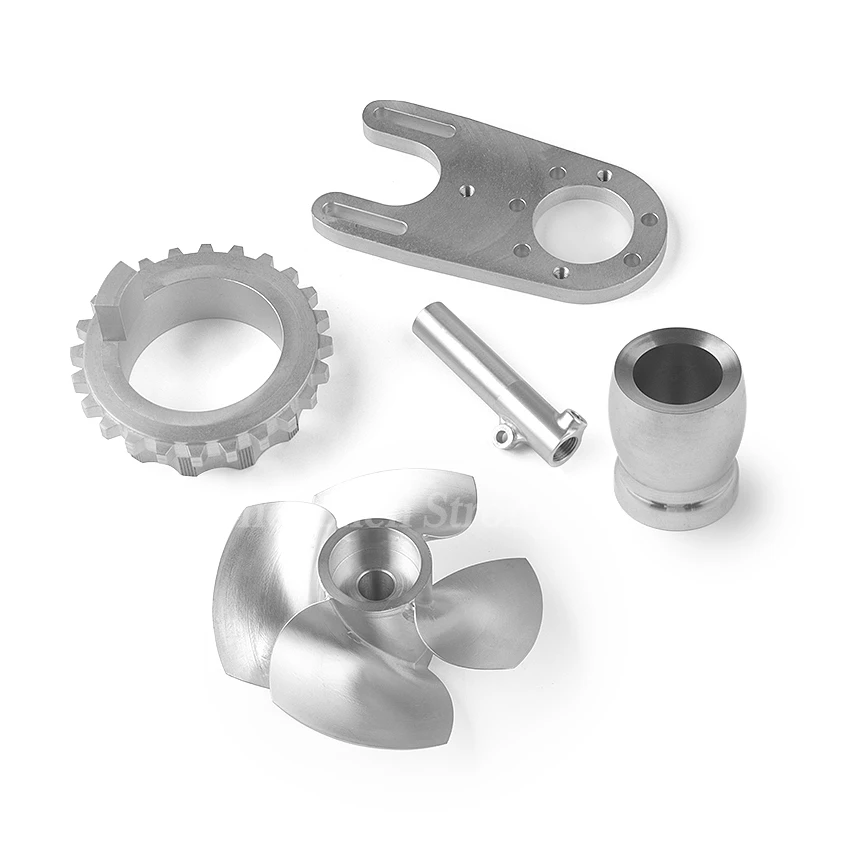
- CNC Manufacturing Parts: We use state-of-the-art CNC machines to produce high-quality parts with tight tolerances and excellent surface finish. Our CNC machining capabilities allow us to manufacture parts from a variety of materials, including steel, aluminum, and plastic. CNC Manufacturing Parts
- Precision CNC Machined Aluminum Parts For Industrial Applications: Aluminum is a popular material for construction machinery components due to its lightweight and corrosion-resistant properties. We specialize in the precision machining of aluminum parts for industrial applications, using advanced CNC machining techniques to ensure high-quality and accurate parts. Precision CNC Machined Aluminum Parts For Industrial Applications
- CNC Plastic Prototype: We also offer CNC plastic prototyping services for the construction machinery industry. Prototyping is an important step in the product development process, allowing our customers to test and validate their designs before mass production. Our CNC plastic prototyping services enable us to produce high-quality prototypes quickly and cost-effectively. CNC Plastic Prototype
Contact Us for Your Precision Machining Needs
If you are in the construction machinery industry and are looking for a reliable precision machining supplier, we would be happy to discuss your requirements. Our team of experienced engineers and technicians is dedicated to providing high-quality products and services to meet your needs. Contact us today to learn more about how we can help you with your precision machining projects.
References
- "Precision Machining Handbook" by John A. Schey
- "Manufacturing Engineering and Technology" by S. Kalpakjian and S. R. Schmid
- "Engineering Materials and Their Applications" by William D. Callister, Jr. and David G. Rethwisch