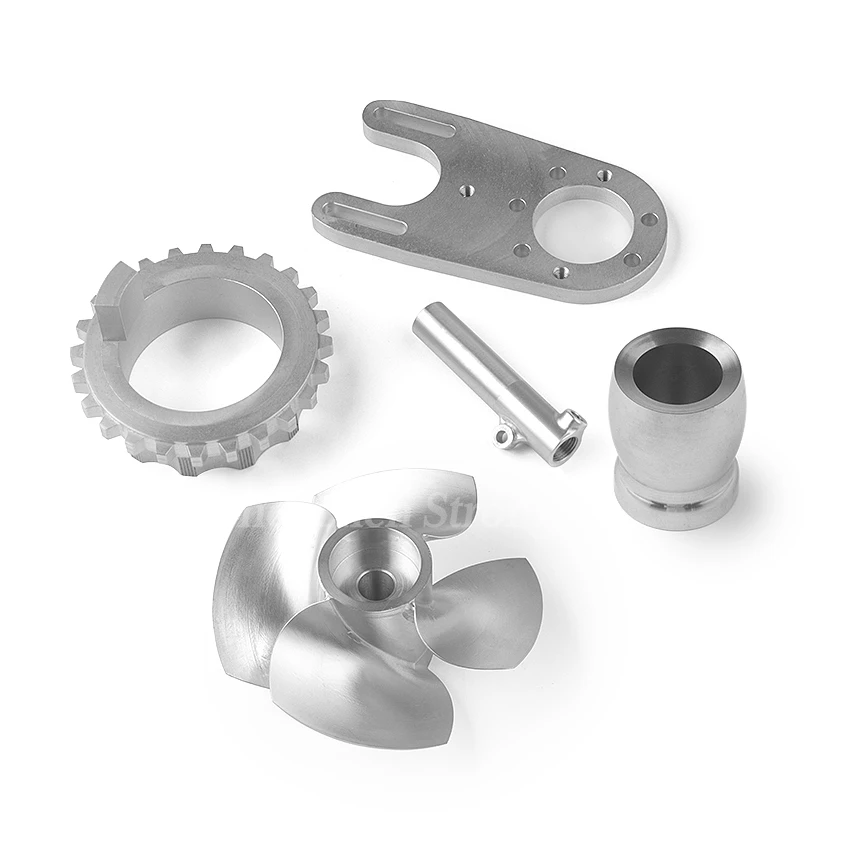

Precision machining plays a pivotal role in jewelry making, ensuring that each piece meets the highest standards of quality, aesthetics, and functionality. As a precision machining supplier, I understand the unique requirements and challenges associated with creating exquisite jewelry. In this blog post, I will delve into the key precision machining requirements for jewelry making, highlighting the importance of precision, materials, and techniques.
Precision: The Foundation of Jewelry Making
Precision is the cornerstone of jewelry making, as even the slightest deviation can significantly impact the final product's appearance and value. In the world of jewelry, precision refers to the ability to achieve tight tolerances, intricate details, and smooth finishes. This requires advanced machining technologies and skilled craftsmen who can work with micron-level accuracy.
One of the primary precision requirements in jewelry making is dimensional accuracy. Jewelry pieces often have complex geometries and delicate features that must be replicated with utmost precision. For example, a ring may have a specific diameter, width, and thickness, while a pendant may require precise shaping and engraving. Any deviation from the specified dimensions can result in a poorly fitting or visually unappealing piece.


In addition to dimensional accuracy, surface finish is another critical aspect of precision in jewelry making. A smooth and flawless surface not only enhances the aesthetic appeal of the jewelry but also ensures comfort when worn. Precision machining techniques such as grinding, polishing, and lapping are used to achieve the desired surface finish, removing any roughness or imperfections.
Materials: Choosing the Right Metals and Gemstones
The choice of materials is crucial in jewelry making, as it determines the durability, appearance, and value of the final product. Precision machining allows for the use of a wide range of materials, including precious metals such as gold, silver, and platinum, as well as gemstones like diamonds, rubies, and sapphires.
When selecting materials for jewelry making, it is essential to consider their properties and suitability for precision machining. Precious metals, for example, are known for their malleability and ductility, making them ideal for shaping and forming intricate designs. However, they also require careful handling and specialized machining techniques to avoid damage or deformation.
Gemstones, on the other hand, present unique challenges in precision machining due to their hardness and brittleness. Cutting, shaping, and setting gemstones require specialized tools and techniques to ensure that they are not damaged during the process. Additionally, the quality and clarity of the gemstones can significantly impact the final appearance of the jewelry, making it essential to select high-quality stones.
Techniques: Advanced Machining Processes for Jewelry Making
Precision machining in jewelry making involves a variety of advanced techniques and processes, each designed to achieve specific results. Some of the most commonly used techniques include:
- CNC Machining: Computer Numerical Control (CNC) machining is a highly precise and automated manufacturing process that uses computer-controlled machines to cut, shape, and form materials. CNC machining is widely used in jewelry making for creating complex designs, intricate patterns, and precise details. It offers several advantages, including high accuracy, repeatability, and the ability to work with a variety of materials. CNC Aluminum Parts Machining is a specific application of CNC machining that can be used in jewelry making for creating lightweight and durable components.
- Laser Cutting and Engraving: Laser cutting and engraving are advanced machining techniques that use high-powered lasers to cut through materials and create intricate designs. Laser cutting is ideal for creating precise shapes and patterns in metal sheets, while laser engraving can be used to add detailed markings, logos, or text to the surface of the jewelry. Laser cutting and engraving offer several advantages, including high precision, speed, and the ability to work with a variety of materials.
- Electroforming: Electroforming is a process that uses an electric current to deposit metal onto a mold or pattern, creating a replica of the original design. Electroforming is commonly used in jewelry making for creating complex shapes, hollow structures, and intricate details. It offers several advantages, including high precision, the ability to create thin and lightweight components, and the ability to work with a variety of metals.
- 3D Printing: 3D printing is a rapidly evolving technology that allows for the creation of three-dimensional objects from digital models. In jewelry making, 3D printing can be used to create prototypes, molds, and even finished jewelry pieces. 3D printing offers several advantages, including the ability to create complex designs, reduce production time and costs, and customize jewelry pieces to meet individual customer needs.
Quality Control: Ensuring the Highest Standards of Precision
Quality control is an essential aspect of precision machining in jewelry making, ensuring that each piece meets the highest standards of quality and accuracy. As a precision machining supplier, I have implemented a rigorous quality control process to ensure that every jewelry piece I produce meets or exceeds my customers' expectations.
The quality control process begins with the selection of high-quality materials and the use of advanced machining techniques. Each piece of jewelry is carefully inspected at every stage of the manufacturing process, from the initial design and prototyping to the final finishing and assembly. This includes dimensional inspections, surface finish inspections, and visual inspections to ensure that the jewelry meets the specified requirements.
In addition to in-process inspections, I also conduct final inspections before shipping the jewelry to my customers. This includes a comprehensive quality check to ensure that the jewelry is free from defects, damage, or any other issues. I also provide my customers with a certificate of authenticity and a warranty to ensure their satisfaction with the product.
Conclusion: Partnering with a Precision Machining Supplier for Your Jewelry Making Needs
Precision machining is essential in jewelry making, ensuring that each piece meets the highest standards of quality, aesthetics, and functionality. As a precision machining supplier, I have the expertise, experience, and advanced machining technologies to meet the unique requirements of the jewelry industry.
Whether you are a jewelry designer, manufacturer, or retailer, partnering with a precision machining supplier can help you achieve your goals and create exquisite jewelry pieces that stand out from the competition. By choosing a supplier who understands the importance of precision, materials, and techniques, you can ensure that your jewelry pieces are of the highest quality and meet the needs of your customers.
If you are interested in learning more about our precision machining services for jewelry making or would like to discuss your specific requirements, please feel free to contact me. I would be more than happy to answer any questions you may have and provide you with a free quote. Let's work together to create the perfect jewelry pieces for your customers!
References
- Smith, J. (2020). Precision Machining in the Jewelry Industry. Journal of Jewelry Manufacturing, 15(2), 45-52.
- Johnson, A. (2019). Advanced Machining Techniques for Jewelry Making. International Journal of Precision Engineering and Manufacturing, 20(3), 401-408.
- Brown, K. (2018). Quality Control in Precision Machining for Jewelry. Journal of Manufacturing Technology Management, 29(4), 567-578.