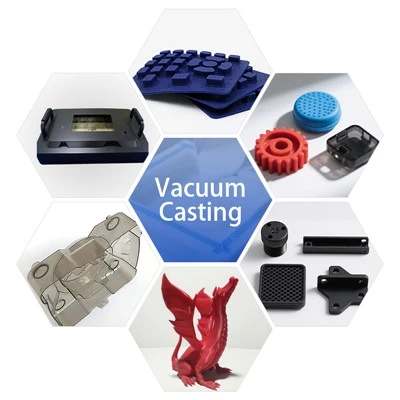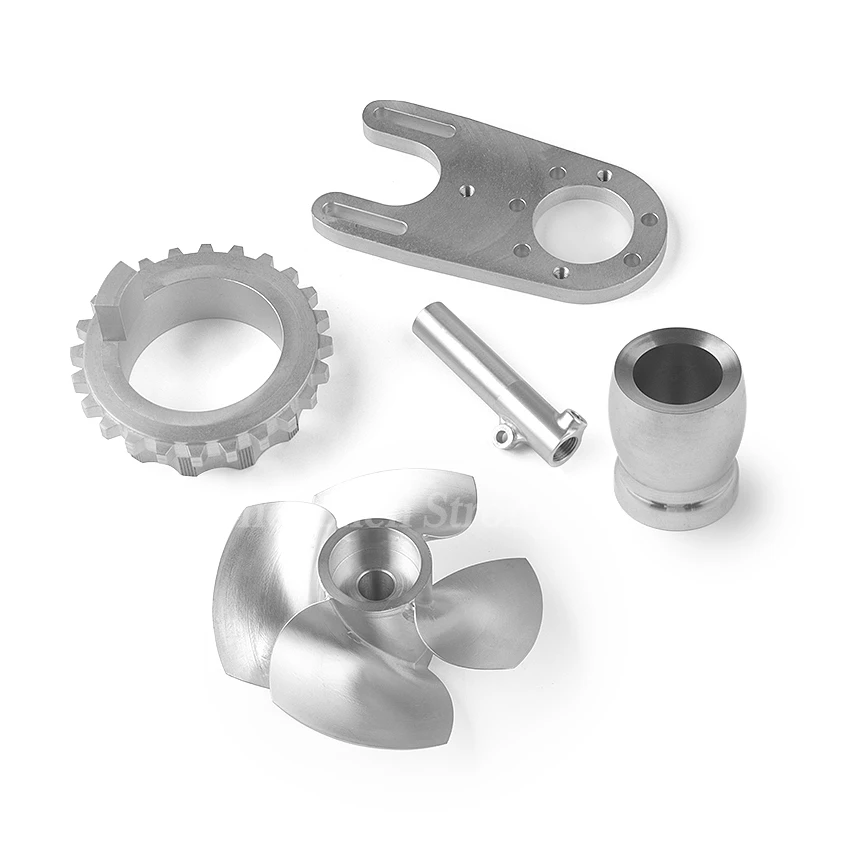

Silicon rubber casting is a versatile and widely used manufacturing process, especially in industries where high - precision, flexible, and durable parts are required. As a leading supplier in the silicon rubber casting field, we understand the importance of every step in the process, and one crucial step is degassing. In this blog, I'll share in detail how to use a degassing machine in silicon rubber casting.
Understanding the Need for Degassing in Silicon Rubber Casting
Before delving into the operation of a degassing machine, it's essential to understand why degassing is necessary. When mixing silicon rubber components, air bubbles are inevitably introduced. These bubbles can cause defects in the final cast parts, such as voids, uneven surfaces, and reduced mechanical properties. A degassing machine helps to remove these air bubbles, ensuring a high - quality casting.
Preparing for Degassing
Selecting the Right Degassing Machine
There are various types of degassing machines available in the market, including vacuum chambers and centrifugal degassing machines. The choice depends on the scale of your production, the viscosity of the silicon rubber, and the specific requirements of your casting. For small - scale operations or low - viscosity rubber, a simple vacuum chamber might be sufficient. For larger - scale production or high - viscosity rubber, a more powerful and automated degassing machine may be needed.
Preparing the Silicon Rubber
Before placing the silicon rubber in the degassing machine, make sure it is properly mixed. Follow the manufacturer's instructions regarding the ratio of the base and the curing agent. Thoroughly mix the two components using a mechanical mixer or a stir stick. This step is crucial as improper mixing can lead to uneven curing and more air entrapment.
Safety Precautions
Wear appropriate personal protective equipment (PPE), such as gloves and safety glasses. Ensure that the degassing machine is placed on a stable surface and is properly grounded. Familiarize yourself with the emergency stop button and other safety features of the machine.

Using a Vacuum Degassing Machine
Loading the Silicon Rubber
Transfer the mixed silicon rubber into a suitable container that can fit inside the vacuum chamber. The container should be made of a material that can withstand the vacuum environment, such as a plastic or glass beaker. Avoid overfilling the container, leaving some space for the rubber to expand during the degassing process.
Sealing the Vacuum Chamber
Place the container with the silicon rubber inside the vacuum chamber and close the chamber door tightly. Make sure the seal is air - tight to achieve an effective vacuum. Check the O - rings or gaskets for any signs of damage or wear, as a poor seal can prevent the chamber from reaching the desired vacuum level.
Starting the Vacuum Pump
Turn on the vacuum pump and monitor the vacuum gauge. The goal is to reach a low - pressure environment inside the chamber, typically around 0.1 to 0.01 atmospheres. As the pressure drops, the air bubbles in the silicon rubber will expand and rise to the surface. You may notice the rubber foaming up initially, which is a normal part of the degassing process.
Controlling the Degassing Time
The degassing time depends on several factors, including the volume of the rubber, its viscosity, and the vacuum level. Generally, it can range from a few minutes to half an hour. Observe the rubber closely during the degassing process. Once the foaming subsides and there are no more visible bubbles rising to the surface, the degassing is complete.
Releasing the Vacuum
After the degassing is finished, slowly release the vacuum by opening the valve on the vacuum chamber. This should be done gradually to prevent the rubber from splashing or foaming out of the container. Once the pressure inside the chamber returns to atmospheric pressure, open the chamber door and remove the degassed silicon rubber.
Using a Centrifugal Degassing Machine
Loading the Silicon Rubber
Similar to the vacuum degassing machine, transfer the mixed silicon rubber into a suitable container. The container should be balanced properly to prevent excessive vibration during the centrifugation process. Place the container in the rotor of the centrifugal degassing machine.
Setting the Parameters
Set the appropriate speed and time for the centrifugation. The speed depends on the viscosity of the rubber and the size of the air bubbles you want to remove. Higher speeds are generally more effective for removing smaller bubbles but may also cause the rubber to separate if set too high. The time is usually determined by trial and error, but it typically ranges from a few minutes to 15 minutes.
Starting the Machine
Start the centrifugal degassing machine and let it run for the set time. During the centrifugation, the centrifugal force will push the air bubbles towards the center of the container, where they can be easily removed.
Removing the Degassed Rubber
Once the centrifugation is complete, stop the machine and carefully remove the container. You may notice a clear layer of air bubbles at the center of the rubber. Use a syringe or a pipette to remove these bubbles before using the degassed rubber for casting.
Post - Degassing Steps
Pouring the Degassed Rubber
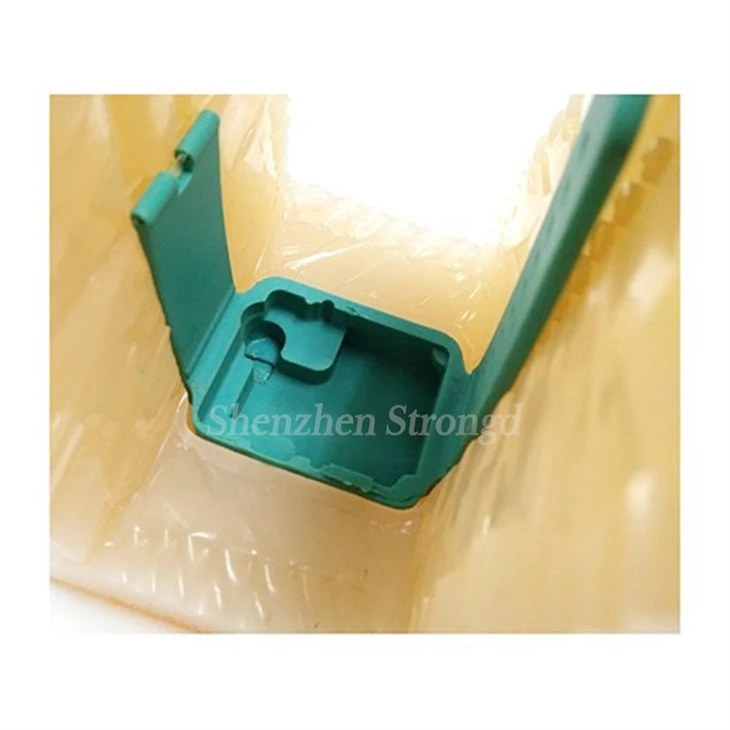
After degassing, pour the silicon rubber into the Vacuum Casting Silicone Mold as soon as possible. The degassed rubber has a limited pot life, especially if a fast - curing agent is used. Make sure to pour the rubber slowly and steadily to avoid introducing new air bubbles.
Curing the Casting
Follow the recommended curing time and temperature for the silicon rubber. This can vary depending on the type of rubber and the specific application. Proper curing is essential for achieving the desired mechanical properties and durability of the cast parts.
Applications of Degassed Silicon Rubber Casting
The degassed silicon rubber can be used in a wide range of applications. For example, in the medical industry, Vacuum Casting Rubber for Medical Products requires high - quality and bubble - free casting to ensure the safety and functionality of the products. It can also be used for Vacuum Casting Of Rubber Shell Parts in the automotive and electronics industries, where a smooth and defect - free surface is crucial.
Conclusion
Using a degassing machine in silicon rubber casting is a critical step to ensure high - quality and defect - free cast parts. By following the proper procedures for degassing, you can improve the mechanical properties, appearance, and functionality of your silicon rubber products. As a silicon rubber casting supplier, we are committed to providing you with the best materials and guidance to help you achieve excellent results in your casting projects.
If you are interested in purchasing our silicon rubber casting products or have any questions about the degassing process, please feel free to contact us for procurement and further discussions. We look forward to working with you to meet your specific needs.
References
- “Silicone Rubber Handbook” by W. R. Grace & Co.
- “Vacuum Casting Technology” by Precision Casting Institute.
- Manufacturer's instructions for various degassing machines.