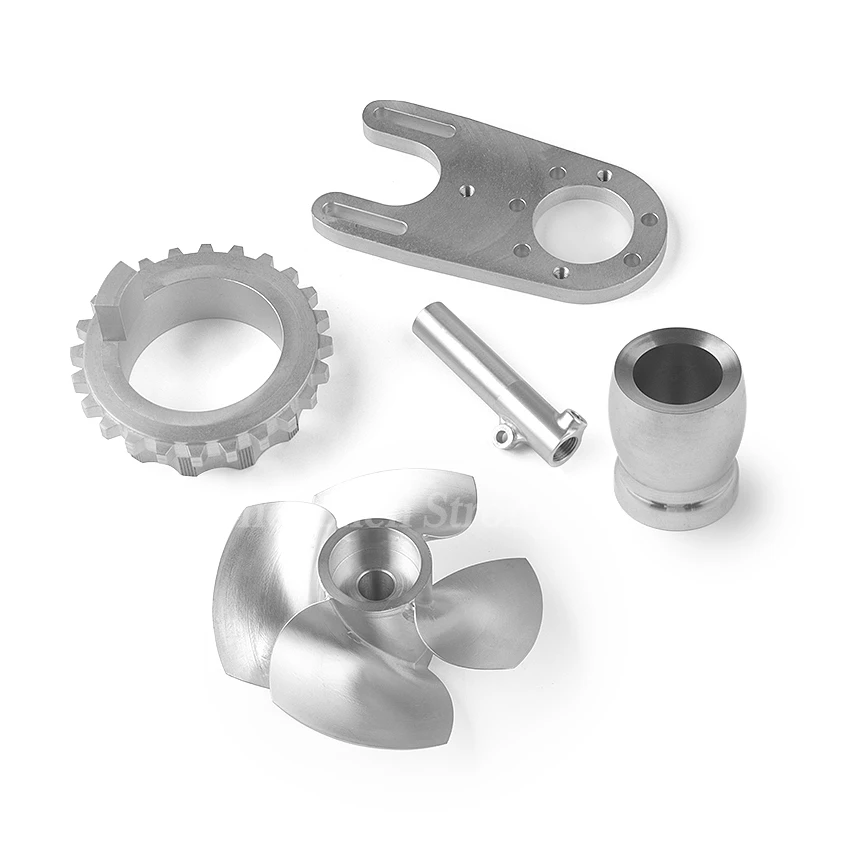

Hey there! As a supplier of Silicon Rubber Casting, I often get asked about the thermal conductivity properties of silicon rubber castings. So, I thought I'd write this blog to share some insights on this topic.
What is Thermal Conductivity?
Before we dive into the thermal conductivity of silicon rubber castings, let's quickly understand what thermal conductivity is. In simple terms, thermal conductivity is a measure of a material's ability to conduct heat. It's usually denoted by the symbol "k" and is measured in watts per meter-kelvin (W/(m·K)). A high thermal conductivity means the material can transfer heat quickly, while a low thermal conductivity indicates that the material is a poor conductor of heat and can act as an insulator.
Thermal Conductivity of Silicon Rubber Castings
Silicon rubber is generally known for its low thermal conductivity. This is one of the reasons why it's widely used in applications where heat insulation is required. The thermal conductivity of silicon rubber typically ranges from about 0.1 to 0.2 W/(m·K). This low value makes it an excellent choice for applications where you want to prevent heat transfer.
For example, in the electronics industry, silicon rubber castings are often used to insulate sensitive components from heat. The low thermal conductivity helps to keep the components cool and prevents overheating, which can lead to reduced performance or even damage. You can learn more about the process of creating these castings on our Silicon Rubber Casting page.
Factors Affecting Thermal Conductivity
Several factors can affect the thermal conductivity of silicon rubber castings. Let's take a look at some of the most important ones:
Filler Materials
One of the most significant factors is the addition of filler materials. By adding certain fillers, you can increase the thermal conductivity of silicon rubber. For instance, metal oxides like aluminum oxide or boron nitride can be added as fillers. These fillers have high thermal conductivity, and when dispersed in the silicon rubber matrix, they create a pathway for heat transfer, thereby increasing the overall thermal conductivity of the casting.
Cross - Linking Density
The cross - linking density of the silicon rubber also plays a role. A higher cross - linking density can restrict the movement of polymer chains, which in turn affects the heat transfer mechanism. In general, a higher cross - linking density may lead to a slightly lower thermal conductivity, as it makes it more difficult for heat to be transferred through the material.
Temperature
Temperature can also have an impact on the thermal conductivity of silicon rubber castings. As the temperature increases, the thermal conductivity of silicon rubber may change slightly. Usually, within a certain temperature range, the thermal conductivity may increase gradually with temperature. However, extreme temperatures can cause degradation of the silicon rubber, which can then affect its thermal conductivity properties.
Applications Based on Thermal Conductivity
The thermal conductivity properties of silicon rubber castings make them suitable for a wide range of applications. Here are some examples:

Heat Insulation in Automotive Parts
In the automotive industry, silicon rubber castings are used for heat insulation in various parts. For example, they can be used to insulate engine components from the high - temperature environment. The low thermal conductivity helps to protect the surrounding parts from heat damage and also improves the overall efficiency of the engine. You can find more information about the casting process for such parts on our Vacuum Casting Of Rubber Shell Parts page.
Electrical Insulation
As mentioned earlier, in the electronics industry, silicon rubber castings are used for electrical insulation. They not only insulate the components electrically but also thermally. This is crucial for devices like smartphones, laptops, and other electronic gadgets, where heat management is essential for optimal performance.
Medical Devices
In medical devices, silicon rubber castings are used due to their biocompatibility and thermal insulation properties. For example, in some wearable medical devices, the silicon rubber casting can prevent the heat generated by the internal components from being transferred to the patient's body, ensuring comfort and safety.
Measuring Thermal Conductivity
Measuring the thermal conductivity of silicon rubber castings is an important step in quality control. There are several methods available for measuring thermal conductivity, such as the hot - wire method and the guarded hot - plate method.
The hot - wire method involves inserting a thin wire into the sample and passing an electric current through it. The heat generated by the wire causes a temperature rise in the sample, and by measuring the temperature change and the power input, the thermal conductivity can be calculated.
The guarded hot - plate method uses a heated plate in contact with the sample. The heat flow through the sample is measured, and based on the temperature difference across the sample and the heat flow rate, the thermal conductivity is determined.
Improving Thermal Conductivity
If you need silicon rubber castings with higher thermal conductivity for specific applications, there are ways to achieve this. As mentioned earlier, adding filler materials is one of the most effective methods. You can work with our team to determine the right type and amount of filler to use based on your requirements. We have extensive experience in Vacuum Casting Silicone Mold and can help you create castings with the desired thermal conductivity properties.
Contact Us for Your Silicon Rubber Casting Needs
Whether you need silicon rubber castings with low thermal conductivity for insulation purposes or high thermal conductivity for heat transfer applications, we're here to help. Our team of experts can provide you with high - quality silicon rubber castings tailored to your specific requirements. If you're interested in discussing your project or getting a quote, don't hesitate to reach out to us. We're always ready to assist you in finding the best solution for your casting needs.
References
- "Polymer Science and Technology" by Charles A. Daniels
- "Handbook of Silicones" by George H. Wagner