
Hey there! If you're in the 3D printing game like me, you've probably wondered about the tribological properties of 3D printed model parts. I'm a supplier of 3D Printing Model Parts, and I've seen firsthand how these properties can make or break a project.
Let's start with the basics. Tribology is the study of friction, wear, and lubrication. When it comes to 3D printed parts, understanding these properties is crucial. Why? Well, if a part has high friction, it might wear out quickly, or it could cause other components in a machine to fail. On the other hand, if it has low friction and good wear resistance, it can last longer and perform better.
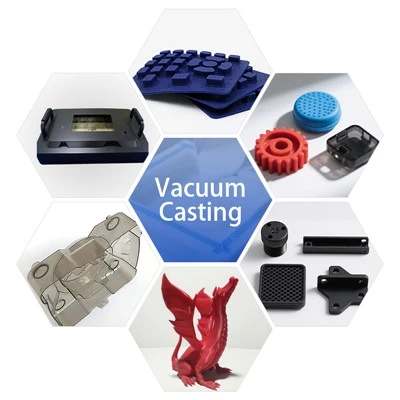
One of the first things to consider is the material used in 3D printing. Different materials have different tribological properties. For example, SLA 3D Printing ABS Resin Parts are known for their strength and durability. ABS resin has a relatively low coefficient of friction, which means it can slide against other surfaces with less resistance. This makes it a great choice for parts that need to move smoothly, like gears or bearings.
But it's not just about the material. The printing process also plays a huge role. In 3D printing, the way the layers are built up can affect the surface finish of the part. A rough surface will generally have higher friction than a smooth one. So, if you're looking for low friction, you might want to go for a printing process that produces a smoother finish. 3D Printing Plastic Parts often use processes like SLA (Stereolithography) or FDM (Fused Deposition Modeling). SLA typically produces parts with a smoother surface finish compared to FDM, which can result in better tribological properties.
Another factor to keep in mind is the orientation of the part during printing. The layers in 3D printing are usually built up in a specific direction. Depending on how the part is oriented, the wear resistance can vary. For example, if a part is printed in an orientation where the layers are perpendicular to the direction of sliding, it might have better wear resistance compared to a part printed with the layers parallel to the sliding direction.


Let's talk about some real - world applications. 3D - printed Figurines might not seem like they need great tribological properties at first glance. But if you're using them in an interactive display where they need to move or slide, then friction and wear become important. You don't want your figurines to get scratched or damaged easily.
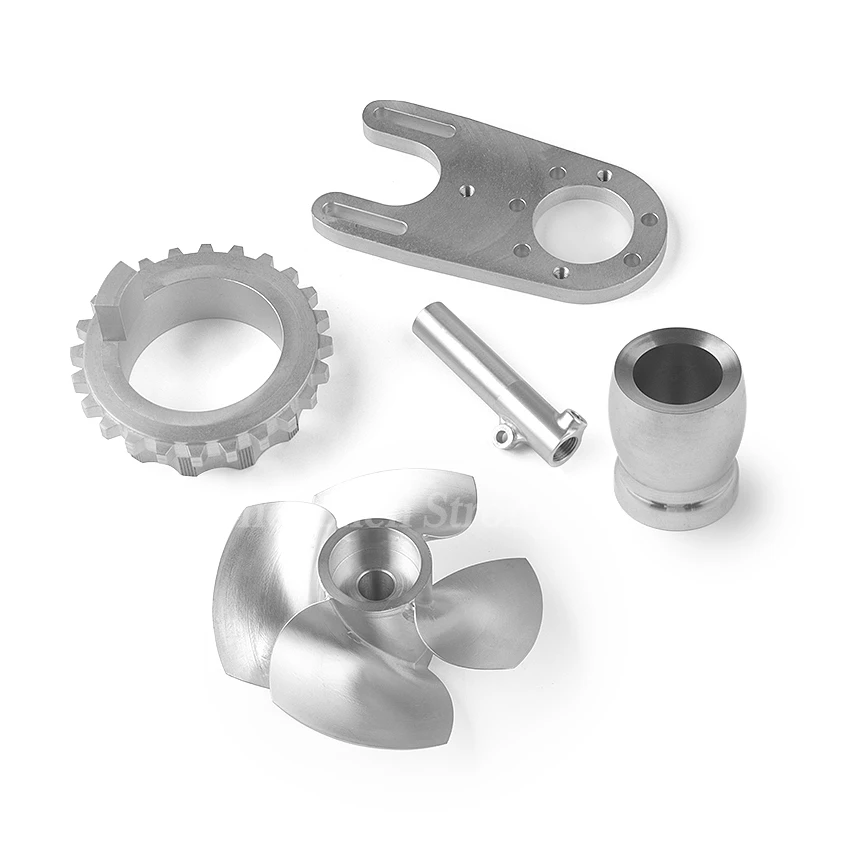
In the industrial world, 3D printed parts are being used more and more in machinery. For instance, in automotive applications, 3D printed engine components need to have good tribological properties. They need to be able to withstand high temperatures, pressures, and constant movement without wearing out too quickly. If a 3D printed piston or valve has poor tribological properties, it could lead to engine failure.
So, how can we improve the tribological properties of 3D printed model parts? One way is through post - processing. You can polish the surface of the part to make it smoother, which will reduce friction. Another option is to apply a coating. There are special coatings available that can improve wear resistance and reduce friction. For example, a Teflon coating can significantly lower the coefficient of friction of a 3D printed part.
It's also important to test the tribological properties of your 3D printed parts. You can use a tribometer, which is a device that measures friction and wear. By testing different parts made from various materials and with different printing settings, you can find the optimal combination for your application.
Now, as a 3D Printing Model Parts supplier, I know how important it is to provide high - quality parts with excellent tribological properties. Whether you're working on a small DIY project or a large industrial application, I've got the expertise and the materials to meet your needs. If you're interested in learning more about our products or if you have a specific project in mind, don't hesitate to reach out for a procurement discussion. We're here to help you get the best 3D printed parts for your requirements.
In conclusion, understanding the tribological properties of 3D printed model parts is essential for ensuring their performance and longevity. By considering factors like material, printing process, orientation, and post - processing, you can create parts that are not only functional but also durable. So, if you're in the market for 3D printed parts, make sure to take these properties into account. And if you need any assistance or have any questions, we're just a call away.
References
- Bhushan, B. (2013). Principles and Applications of Tribology (2nd ed.). Wiley.
- Williams, D. (2019). 3D Printing Materials: Fundamentals and Applications. Elsevier.