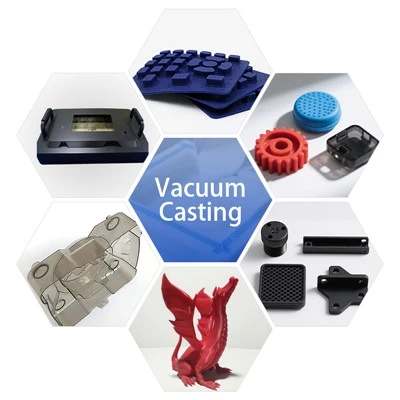

When it comes to 3D resin printing, choosing the right printer is crucial for achieving high - quality results. As a 3D Resin Printing supplier, I've had the opportunity to work with a wide range of printers and understand the key features that can make a significant difference in your printing experience. In this blog, I'll share the essential features you should look for in a 3D resin printer.
Resolution
One of the most important features of a 3D resin printer is its resolution. Resolution refers to the level of detail that the printer can achieve. It is typically measured in microns (μm). A lower micron value means higher resolution and finer details.
For applications that require intricate designs, such as jewelry making or dental models, a printer with a high resolution is essential. Printers with a resolution of 25 - 50 microns can produce highly detailed parts with smooth surfaces. On the other hand, if you're printing larger objects where extreme detail is not as critical, a printer with a resolution of 100 - 200 microns may be sufficient.
High - resolution printing often comes at a cost, both in terms of the printer price and the printing speed. Higher resolution printers usually take longer to print because they need to cure smaller areas of resin at a time. However, the quality of the final product can justify the additional time and expense, especially for professional applications.
Build Volume
The build volume of a 3D resin printer determines the maximum size of the objects you can print. It is defined by the length, width, and height dimensions of the printable area. When considering the build volume, you need to think about the types of objects you plan to print.
If you're mainly printing small, detailed parts like miniatures or jewelry, a printer with a smaller build volume, such as 100mm x 100mm x 150mm, may be adequate. However, if you're working on larger projects, like architectural models or prototype parts for industrial applications, you'll need a printer with a larger build volume, perhaps 200mm x 200mm x 300mm or more.


Keep in mind that a larger build volume doesn't necessarily mean better. Larger printers can be more expensive, and they may also require more resin to fill the vat. Additionally, the printing time may increase with a larger build volume, especially if you're printing multiple objects at once.
Printing Speed
Printing speed is another important factor to consider. The speed of a 3D resin printer is influenced by several factors, including the resolution, the size of the object, and the type of resin used.
Some printers are designed for high - speed printing, which can be beneficial if you need to produce a large number of parts quickly. However, high - speed printing may come at the expense of resolution and surface quality. Printers that prioritize speed may use a larger pixel size or a faster curing process, which can result in less detailed prints.
On the other hand, printers that focus on high - quality prints may have a slower printing speed. These printers are ideal for applications where precision and surface finish are critical. It's important to find a balance between printing speed and quality based on your specific needs.
Resin Compatibility
Not all 3D resin printers are compatible with all types of resins. Different resins have different properties, such as hardness, flexibility, transparency, and color. When choosing a printer, you need to consider the types of resins you want to use.
Some printers are designed to work with a specific brand or type of resin, while others are more versatile and can handle a wider range of resins. If you plan to experiment with different resins or if you have specific requirements for the properties of your printed parts, look for a printer that offers good resin compatibility.
For example, if you're interested in SLA 3D Printing ABS Resin Parts, make sure the printer you choose is compatible with ABS - like resins. Similarly, if you're into SLA 3D Model Making, you may need a printer that can work with high - detail, low - shrinkage resins.
UV Light Source
The UV light source is a critical component of a 3D resin printer. It is responsible for curing the resin and turning it from a liquid to a solid state. There are different types of UV light sources used in 3D resin printers, including lasers and LED arrays.
Laser - based printers, such as Stereolithography (SLA) printers, use a focused laser beam to cure the resin layer by layer. These printers typically offer high resolution and excellent surface quality. However, they can be more expensive and may require more maintenance.
LED - based printers, on the other hand, use an array of LEDs to cure the resin. They are generally more affordable and have a longer lifespan compared to laser - based printers. LED printers are also more energy - efficient. However, the resolution of LED printers may not be as high as that of laser printers in some cases.
Software and User Interface
The software and user interface of a 3D resin printer play a crucial role in the printing process. A good software package should be easy to use, with features such as slicing, support generation, and print preview.
Slicing is the process of converting a 3D model into a series of 2D layers that the printer can understand. The software should be able to slice the model accurately and optimize the printing process for the specific printer and resin being used.
Support generation is another important feature. Supports are structures that are added to the model to prevent it from collapsing during the printing process. The software should be able to generate supports automatically based on the geometry of the model, and it should also allow you to adjust the support settings if needed.
The user interface should be intuitive and easy to navigate. It should provide clear instructions and feedback during the printing process. Some printers come with a touchscreen interface, which can make it easier to operate the printer and monitor the printing progress.
Vat and Build Plate
The vat is the container that holds the resin during the printing process, and the build plate is the surface on which the object is printed. The quality of the vat and build plate can affect the printing results.
The vat should be made of a material that is resistant to the chemicals in the resin and can withstand repeated use. It should also have a smooth surface to ensure proper resin flow and prevent air bubbles from forming. Some vats are disposable, which can be convenient as it eliminates the need for cleaning between prints. However, disposable vats can be more expensive in the long run.
The build plate should be flat and level to ensure that the object adheres properly during the printing process. Some build plates are made of metal, which provides good adhesion, while others are coated with a special material to improve adhesion. It's important to choose a printer with a build plate that is easy to clean and maintain.
Post - Processing Requirements
After the printing is complete, the printed object usually requires some post - processing. This may include washing the object in a solvent to remove excess resin, curing it under UV light to fully harden the resin, and removing the supports.
Some printers come with built - in post - processing features, such as a washing station or a UV curing chamber. These features can make the post - processing process more convenient and efficient. However, they may also increase the cost of the printer.
It's important to consider the post - processing requirements of the printer and make sure you have the necessary equipment and materials available. For example, if you choose a printer that requires a specific type of solvent for washing, you need to ensure that you can easily obtain that solvent.
Cost
Finally, cost is an important factor to consider when choosing a 3D resin printer. The cost of a printer includes not only the initial purchase price but also the cost of resin, maintenance, and post - processing materials.
Higher - end printers with advanced features such as high resolution, large build volume, and fast printing speed are generally more expensive. However, they may also offer better performance and reliability. On the other hand, budget - friendly printers may be more suitable for hobbyists or those who are just starting with 3D resin printing.
When calculating the cost, also consider the long - term expenses. Some printers may require more frequent maintenance or use more expensive resins, which can add up over time.
In conclusion, choosing the right 3D resin printer requires careful consideration of several factors, including resolution, build volume, printing speed, resin compatibility, UV light source, software and user interface, vat and build plate, post - processing requirements, and cost. As a 3D Resin Printing supplier, I'm here to help you make an informed decision. If you're interested in 3D Printing Plastic Parts or have any questions about 3D resin printers, feel free to contact us for a detailed discussion and to explore the best options for your specific needs.
References
- Gibson, I., Rosen, D. W., & Stucker, B. (2010). Additive Manufacturing Technologies: Rapid Prototyping to Direct Digital Manufacturing. Springer.
- Wohlers, T., & Gornet, P. (2018). Wohlers Report 2018: 3D Printing and Additive Manufacturing State of the Industry. Wohlers Associates.