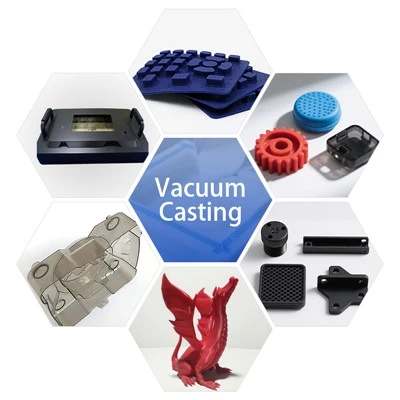

Hey there! As a supplier of plastic robot shells, I've been in the thick of the industrial robot game for quite some time. I've seen firsthand the evolving demands and the performance requirements that these plastic robot shells need to meet. So, let's dive right into what makes a top - notch plastic robot shell in the world of industrial robots.
Durability
One of the most crucial performance requirements for a plastic robot shell is durability. Industrial robots operate in some pretty harsh environments. They might be exposed to high temperatures, chemicals, and physical impacts on a daily basis. A plastic shell that can't stand up to these conditions won't last long, and that's a big no - no.
For instance, in a manufacturing plant where robots are used for welding or painting, the plastic shell needs to resist heat. High - temperature plastics like polyetheretherketone (PEEK) or polyphenylene sulfide (PPS) are often great choices. These plastics can withstand elevated temperatures without deforming, which ensures that the internal components of the robot are well - protected.
When it comes to chemical resistance, robots in the chemical or pharmaceutical industries are constantly around various substances. The plastic shell should be able to resist corrosion from acids, bases, solvents, and other chemicals. Some plastics, such as polyvinyl chloride (PVC) and polyethylene (PE), have good chemical resistance properties. They can prevent the chemicals from seeping in and damaging the robot's internal parts.
Physical impacts are also a major concern. Robots might bump into other equipment or objects during their operation. A durable plastic shell should be able to absorb and distribute the impact energy. Reinforced plastics, like glass - fiber - reinforced plastics (GFRP), are excellent in this regard. They have high strength and can take a beating without cracking or breaking. You can find more about Plastic Robot Body Parts that meet these durability requirements on our website.
Lightweight
Another important factor is the weight of the plastic robot shell. Industrial robots need to be as efficient as possible, and a heavy shell can slow them down. A lightweight plastic shell reduces the overall weight of the robot, which in turn reduces the energy consumption. This is not only good for the environment but also for the bottom line of the companies using these robots.
Plastics like acrylonitrile butadiene styrene (ABS) are popular choices because they are relatively lightweight. They also have good mechanical properties, so they can still provide the necessary protection for the robot's internal components. With a lightweight shell, the robot can move more quickly and perform tasks more efficiently. This is especially important in industries where speed is of the essence, such as the electronics manufacturing industry. For more information on lightweight plastic parts used in robots, check out Robotic Parts Manufacturing.
Precision and Fit
The plastic robot shell needs to fit the robot's internal components precisely. A poor - fitting shell can lead to a host of problems. It might not seal properly, allowing dust, moisture, or other contaminants to enter the robot. This can cause malfunctions and reduce the lifespan of the robot.
Precision in manufacturing is key. Using advanced manufacturing techniques like injection molding can ensure that the plastic shell is made to the exact specifications. Injection molding allows for high - precision parts with tight tolerances. The shell should fit snugly around the internal components, and all the holes and mounting points should align perfectly. This not only protects the internal components but also makes the assembly process of the robot much easier.
Aesthetics
Believe it or not, aesthetics also play a role in the performance requirements of a plastic robot shell. In some industries, the appearance of the robot matters. For example, in the service industry, robots are often used in public spaces. A well - designed and aesthetically pleasing plastic shell can make the robot more appealing to users.
The color, texture, and finish of the plastic shell can be customized. A smooth and glossy finish can give the robot a modern and professional look. On the other hand, a textured finish might be more suitable for industrial environments where the shell needs to be more resistant to scratches. Aesthetics can also contribute to brand identity. Companies can choose colors and designs that match their brand image, making the robot more recognizable.
Electrical Insulation
Industrial robots have a lot of electrical components inside. The plastic robot shell needs to provide good electrical insulation. This is crucial for safety reasons. It prevents electrical shocks and short - circuits.
Plastics are generally good electrical insulators. However, some plastics have better insulation properties than others. For example, polycarbonate (PC) is known for its excellent electrical insulation. It can protect the internal electrical components from external electrical interference and also prevent the leakage of electricity from the robot. This is especially important in industries where electrical safety is a top priority, such as the electrical and electronics industries.
Thermal Management
Robots generate heat during their operation, especially those with high - power motors and electronic components. The plastic robot shell should be able to assist in thermal management. It can either dissipate heat or insulate the internal components from excessive heat.
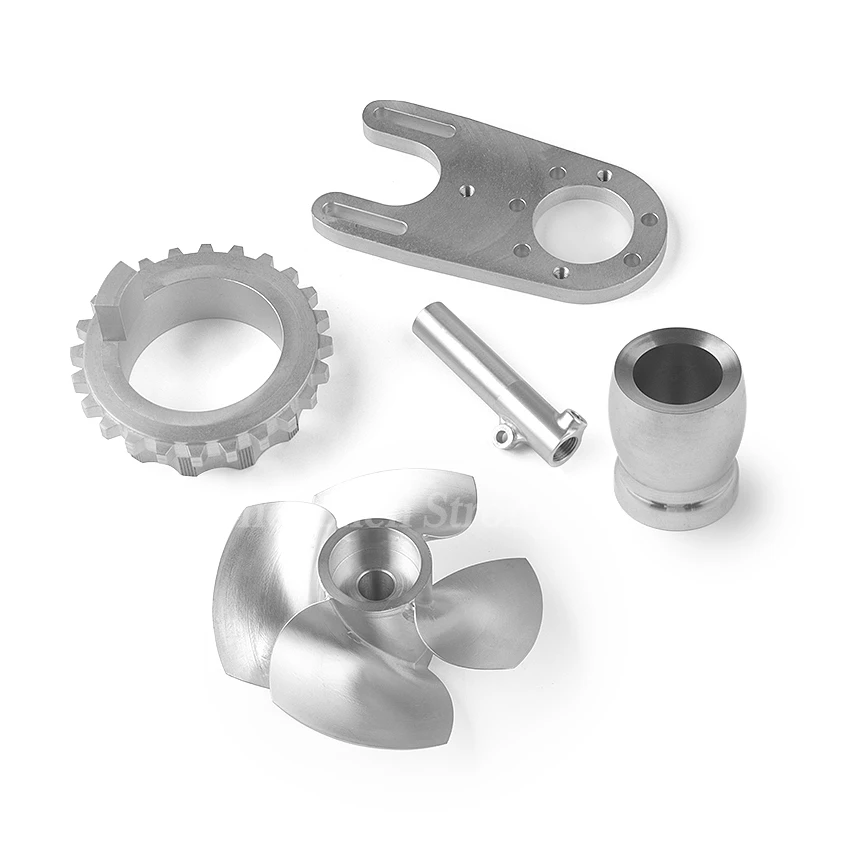
Some plastics have good thermal conductivity, which allows them to transfer heat away from the internal components. For example, thermally conductive plastics can be used to create heat sinks on the shell. On the other hand, insulating plastics can be used to prevent heat from entering the robot in high - temperature environments. This balance of thermal management is essential for the proper functioning of the robot. You can learn more about how our plastic parts contribute to thermal management in CNC 5axis Machining Robot Metal Parts.


Cost - effectiveness
Finally, cost - effectiveness is a major consideration. Companies want to get the best performance for the lowest cost. As a plastic robot shell supplier, we need to find the right balance between the quality of the plastic and the cost.
We can use cost - effective plastics without sacrificing too much on performance. For example, by using recycled plastics or optimizing the manufacturing process, we can reduce the cost of production. This allows us to offer high - quality plastic robot shells at a competitive price.
In conclusion, the performance requirements for a plastic robot shell in industrial robots are diverse and complex. From durability and lightweight to precision, aesthetics, electrical insulation, thermal management, and cost - effectiveness, each factor plays a crucial role. As a supplier, we are committed to meeting these requirements and providing the best plastic robot shells for our customers.
If you're in the market for high - quality plastic robot shells that meet all these performance requirements, don't hesitate to reach out to us for a procurement discussion. We're here to help you find the perfect solution for your industrial robot needs.
References
- "Plastics in Engineering Applications" by John Murphy
- "Industrial Robotics: Technology, Programming, and Applications" by Peter Corke
- "Materials Science and Engineering: An Introduction" by William D. Callister, Jr. and David G. Rethwisch