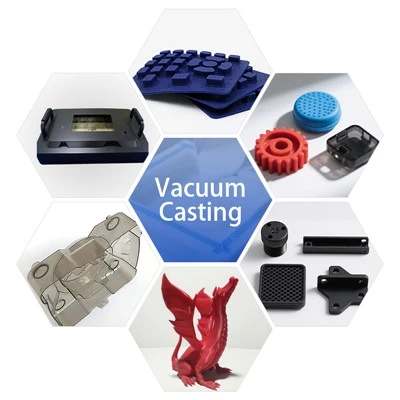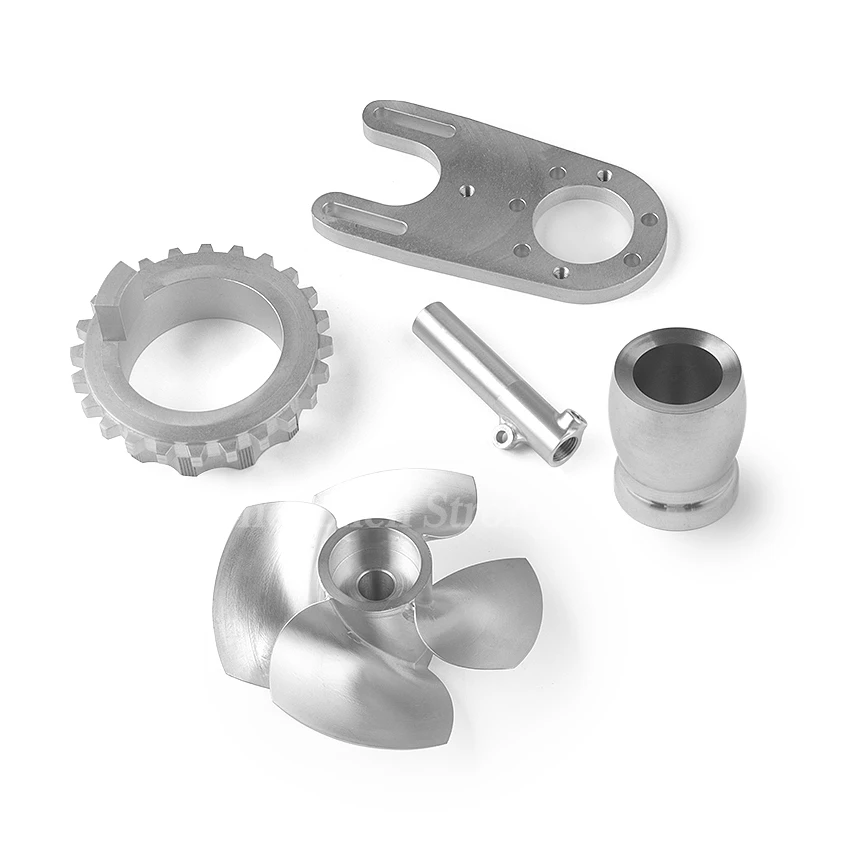

Hey there! As a provider of SLA 3D printing services, I often get asked about the difference between resin - based and powder - based SLA 3D printing. So, I thought I'd break it down for you in this blog post.
Let's start with the basics. SLA, or Stereolithography, is a 3D printing technology that uses a light source to cure a photosensitive material into a solid object layer by layer. The two main types of materials used in SLA 3D printing are resin and powder.
Resin - Based SLA 3D Printing
Resin - based SLA 3D printing is one of the most popular methods out there. The process starts with a vat filled with liquid resin. A UV laser or a digital light projector is then used to selectively cure the resin, solidifying it into the desired shape.
One of the biggest advantages of resin - based SLA 3D printing is the level of detail it can achieve. The liquid resin allows for very fine layers, which means you can create parts with extremely high resolution. This makes it perfect for applications where precision is key, like jewelry making, dental models, and SLA 3D Printing Pc Parts.
Another benefit is the smooth surface finish. Resin - printed parts typically have a very smooth and polished look right out of the printer. This reduces the need for post - processing, saving you time and money. You can also choose from a variety of resin materials, each with different properties such as flexibility, transparency, and heat resistance. For example, if you need a part that is flexible, you can select a flexible resin.
However, resin - based SLA 3D printing also has its drawbacks. The liquid resin can be quite messy to work with. It's sticky and can be difficult to clean up if it spills. Also, the resin is often toxic and requires proper ventilation during the printing process. You need to wear gloves and protective gear when handling it. And let's not forget about the cost. Resin materials can be more expensive than powder materials, which can add up if you're doing a large - scale production.
Powder - Based SLA 3D Printing
Powder - based SLA 3D printing, on the other hand, uses a powder material instead of liquid resin. The process involves spreading a thin layer of powder over a build platform. Then, a laser or other energy source is used to selectively fuse the powder particles together, creating a solid layer.
One of the main advantages of powder - based SLA 3D printing is the strength of the printed parts. The powder particles bond together tightly, resulting in parts that are generally stronger and more durable than resin - printed parts. This makes it a great choice for functional parts and prototypes that need to withstand stress and wear, like 3D Printing Plastic Parts.
Another plus is the cost. Powder materials are often less expensive than resin materials, especially when you're printing large parts. This can make powder - based SLA 3D printing a more cost - effective option for mass production.
Powder - based printing also offers more material options. You can use a variety of powders, including metal powders, which allows you to create parts with different properties and applications. For instance, metal powder printing can be used to create parts for aerospace and automotive industries.
But powder - based SLA 3D printing isn't without its challenges. The surface finish of powder - printed parts is usually rougher compared to resin - printed parts. This means more post - processing is required to achieve a smooth finish. Sanding, polishing, and other finishing techniques are often necessary. Also, the powder can be messy and difficult to handle. It can create dust, which requires proper ventilation and safety measures.


Comparison of Key Factors
Let's compare resin - based and powder - based SLA 3D printing in terms of some key factors:
Resolution
Resin - based SLA 3D printing wins hands down when it comes to resolution. The liquid resin allows for much finer layers, resulting in parts with intricate details and smooth surfaces. Powder - based printing, while it can produce good - quality parts, generally has a lower resolution due to the nature of the powder particles.
Strength
Powder - based SLA 3D printing usually produces stronger parts. The powder particles bond together more tightly, making the parts more resistant to stress and wear. Resin - printed parts can be strong, but they are generally not as durable as powder - printed parts, especially for functional applications.
Cost
For small - scale production or parts that require high resolution, resin - based printing can be more cost - effective despite the higher material cost. However, for large - scale production, powder - based printing is often the more economical choice because of the lower material cost.
Surface Finish
Resin - printed parts have a smoother surface finish right out of the printer. Powder - printed parts, on the other hand, need more post - processing to achieve a similar finish.
Material Options
Powder - based SLA 3D printing offers a wider range of material options, including metals. Resin - based printing has a good selection of resin materials, but it is more limited compared to powder - based printing.
Which One Should You Choose?
The choice between resin - based and powder - based SLA 3D printing depends on your specific needs. If you need parts with high resolution, smooth surface finish, and don't mind the higher cost and potential toxicity of the resin, then resin - based SLA 3D printing is the way to go. It's great for applications like Resin 3D Printing Parts, jewelry, and dental models.
On the other hand, if you need strong, durable parts, and are looking for a more cost - effective option for mass production, powder - based SLA 3D printing is a better choice. It's suitable for functional parts, prototypes, and applications where strength is more important than surface finish.
As a SLA 3D printing service provider, we have the expertise and equipment to handle both resin - based and powder - based SLA 3D printing. Whether you're a small - scale designer or a large - scale manufacturer, we can help you choose the right printing method for your project.
If you're interested in our SLA 3D printing services, or if you have any questions about the difference between resin - based and powder - based SLA 3D printing, feel free to reach out to us. We're here to assist you in making the best decision for your 3D printing needs. Let's start a conversation and see how we can bring your ideas to life!
References
- Gibson, I., Rosen, D. W., & Stucker, B. (2015). Additive Manufacturing Technologies: 3D Printing, Rapid Prototyping, and Direct Digital Manufacturing. Springer.
- Wohlers, T., & Gornet, P. (2020). Wohlers Report 2020: 3D Printing and Additive Manufacturing State of the Industry. Wohlers Associates.