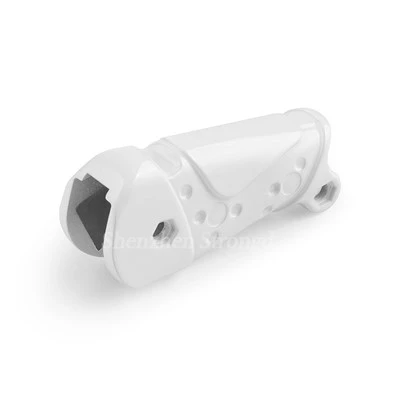

Hey there! As a supplier of plastic robot shells, I often get asked about electrical insulation. So, let's dig into what electrical insulation of a plastic robot shell actually means.
First off, electrical insulation is all about preventing the flow of electric current. In the context of a plastic robot shell, it's super important for a bunch of reasons. For one, it keeps the people interacting with the robot safe. You don't want someone getting a shock when they're just trying to operate or maintain the robot, right?
Plastic is a great material for insulation because it's a poor conductor of electricity. Unlike metals, which have free electrons that can easily carry an electric charge, plastics have tightly - bound electrons. This means that they don't allow electric current to pass through them easily.
When we're manufacturing plastic robot shells, we use specific types of plastics that are known for their excellent insulating properties. Some common ones include polycarbonate, ABS (acrylonitrile butadiene styrene), and polyethylene. Each of these plastics has its own set of characteristics that make it suitable for different robot applications.
Polycarbonate, for example, is not only a great insulator but also very strong and impact - resistant. This makes it ideal for robots that might be in high - traffic areas or could potentially be bumped into. ABS, on the other hand, is lightweight and has good chemical resistance. It's often used in consumer - grade robots where weight is a concern.
The electrical insulation of a plastic robot shell also helps protect the internal components of the robot. Robots are full of sensitive electronic circuits and components. If there was no proper insulation, electrical interference could occur. This interference could cause malfunctions in the robot's operation, leading to inaccurate movements, incorrect sensor readings, or even complete system failures.
Now, let's talk about how we ensure the quality of the electrical insulation in our plastic robot shells. We start by carefully selecting the raw materials. We work with trusted suppliers who can provide us with high - quality plastics that meet our strict insulation standards.
During the manufacturing process, we use advanced molding techniques. Injection molding, for instance, allows us to create precise and consistent robot shells. We also perform rigorous quality control checks. This includes testing the insulation resistance of the shells using specialized equipment. If a shell doesn't meet our insulation requirements, it doesn't leave our factory.
Another aspect to consider is the design of the robot shell. The shape and thickness of the shell can affect its insulating properties. A thicker shell generally provides better insulation, but we also have to balance this with other factors like weight and cost. Our design team works hard to find the optimal balance, creating shells that are both well - insulated and practical.
In the world of robotics, there are different types of robots that require different levels of electrical insulation. Industrial robots, for example, often operate in harsh environments with high - voltage electrical systems. These robots need shells with very high - quality insulation to ensure the safety of the workers and the proper functioning of the equipment.
On the other hand, educational robots or small consumer robots may not need the same level of insulation. However, even for these types of robots, proper insulation is still crucial to prevent any electrical issues and ensure a long - lasting product.
If you're in the market for plastic robot shells, you might also be interested in some related products. We offer CNC Robot Arms that are designed to work seamlessly with our shells. These arms are precision - engineered and can enhance the functionality of your robot.
We also have CNC Milling Plastic Robotic Model. These models are great for prototyping and testing new robot designs. They allow you to experiment with different configurations and see how the robot will perform in real - world scenarios.
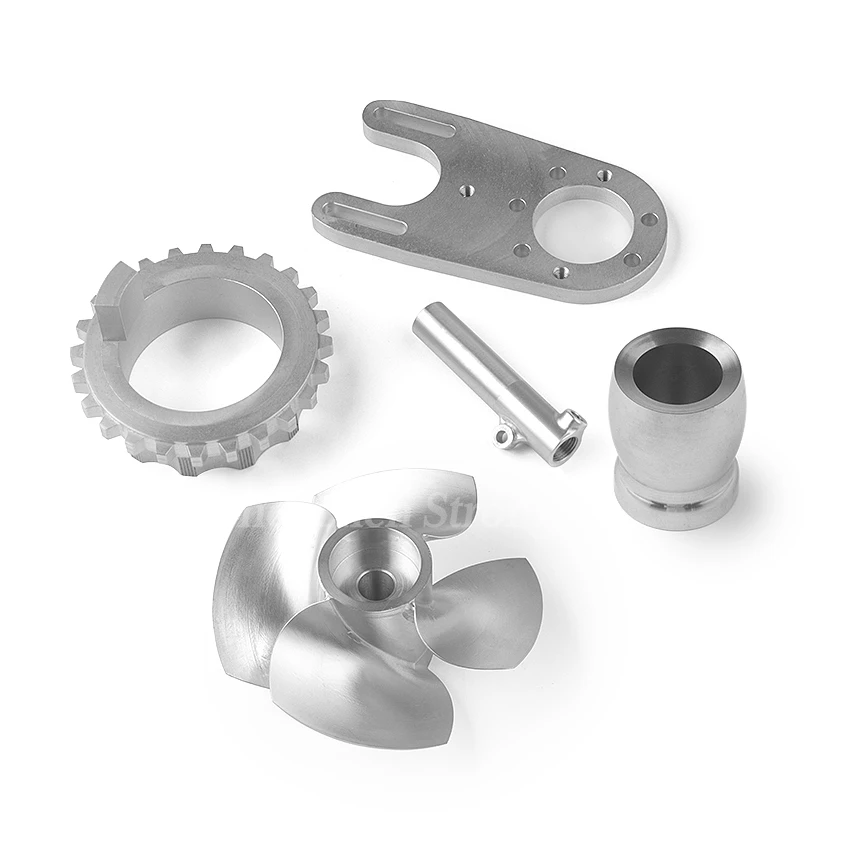
And of course, we have a wide range of Plastic Robot Body Parts. Whether you need a replacement part or want to customize your robot, we've got you covered.

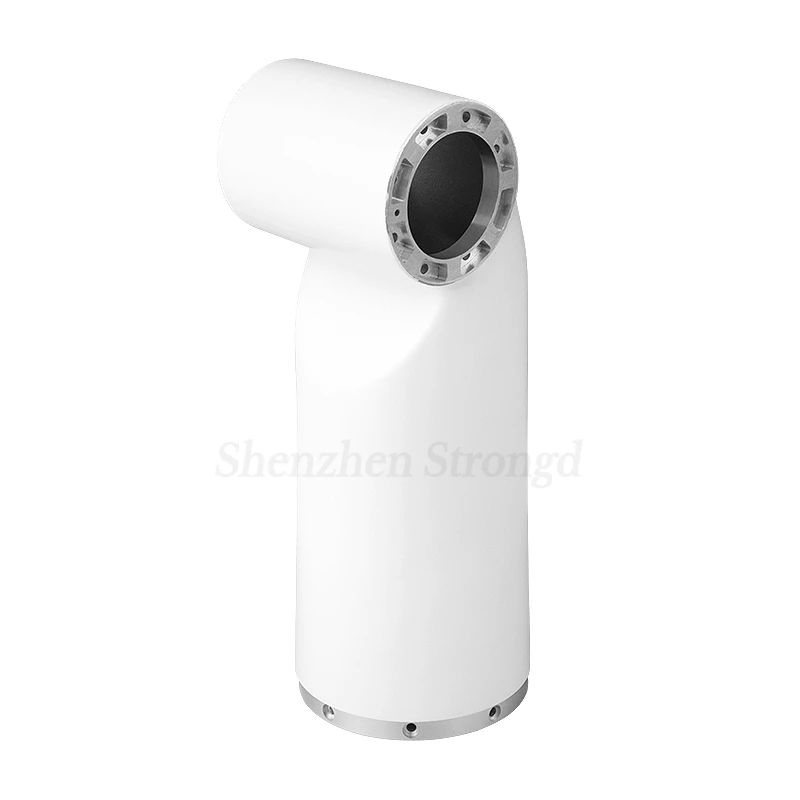
In conclusion, the electrical insulation of a plastic robot shell is a critical factor in the design, safety, and performance of a robot. It protects both the users and the internal components of the robot. As a supplier, we're committed to providing high - quality plastic robot shells with excellent electrical insulation.
If you're interested in purchasing our plastic robot shells or any of our related products, we'd love to have a chat with you. We can discuss your specific requirements, answer any questions you might have, and work together to find the best solutions for your robot projects. Don't hesitate to reach out and start the conversation!
References
- "Plastics for Electrical Insulation" - A technical guide on the use of plastics in electrical applications.
- "Robotics Design and Engineering" - A comprehensive book on the design and engineering aspects of robots, including the importance of insulation.