
What is the hardness of vacuum cast PC parts?
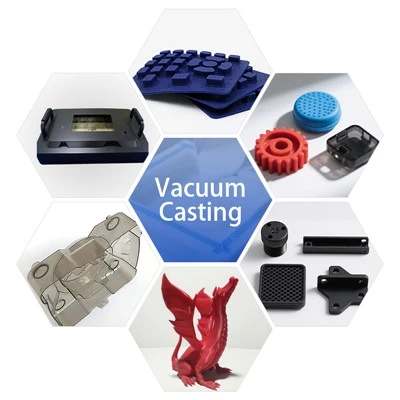
As a dedicated supplier of Vacuum Casting PC Parts, I am frequently asked about the hardness of these components. In this blog, I aim to provide a comprehensive understanding of the hardness of vacuum cast PC parts, exploring the factors that influence it, how it is measured, and its significance in various applications.
Understanding Vacuum Casting of PC Parts
Before delving into the hardness aspect, it's essential to understand the process of vacuum casting PC parts. Vacuum casting is a manufacturing technique that involves creating a silicone mold from a master pattern and then using this mold to cast parts from liquid polymers under vacuum conditions. Polycarbonate (PC) is a popular choice for vacuum casting due to its excellent mechanical properties, transparency, and heat resistance.
The Vacuum Casting Soft Rapid Prototype process allows for the production of high - quality parts with fine details and smooth surfaces. It is a cost - effective method for producing small to medium - sized batches of parts, making it ideal for prototyping and low - volume production.
Factors Affecting the Hardness of Vacuum Cast PC Parts
- Polycarbonate Resin Properties
The type of polycarbonate resin used is a primary factor influencing the hardness of the cast parts. Different grades of PC resins have varying molecular structures and compositions, which directly affect their mechanical properties, including hardness. For example, some PC resins are formulated to have higher impact resistance, which may come at the expense of a slightly lower hardness compared to more rigid grades. - Curing Process
The curing process during vacuum casting plays a crucial role in determining the hardness of the PC parts. The temperature, time, and pressure during curing can all impact the cross - linking of the polymer chains in the PC resin. If the curing temperature is too low or the curing time is insufficient, the polymer may not fully cross - link, resulting in a softer part. On the other hand, over - curing can lead to brittleness and may also affect the hardness characteristics. - Additives and Fillers
Additives and fillers are often added to the PC resin to enhance specific properties. For instance, glass fibers can be added to increase the stiffness and hardness of the parts. Other additives, such as flame retardants or UV stabilizers, may also have an impact on the hardness. The type and amount of these additives need to be carefully controlled to achieve the desired hardness while maintaining other important properties of the PC parts.
Measuring the Hardness of Vacuum Cast PC Parts
- Rockwell Hardness Test
The Rockwell hardness test is a widely used method for measuring the hardness of plastics, including vacuum cast PC parts. In this test, a minor load is first applied to the part, followed by a major load. The difference in the depth of indentation between the minor and major loads is used to determine the Rockwell hardness number. This test is relatively quick and provides a reliable measure of the hardness of the material. - Shore Hardness Test
The Shore hardness test is another common method for measuring the hardness of soft to semi - rigid plastics. It uses a durometer to measure the resistance of the material to indentation. There are different scales for the Shore hardness test, such as Shore A and Shore D. For PC parts, the Shore D scale is often more appropriate as it is better suited for harder materials.
Significance of Hardness in Vacuum Cast PC Parts
- Mechanical Performance
The hardness of vacuum cast PC parts is directly related to their mechanical performance. A harder part is generally more resistant to wear, scratching, and deformation. This is particularly important in applications where the parts will be subjected to friction, abrasion, or mechanical stress. For example, in automotive interior components or electronic device housings, a higher hardness ensures a longer service life and better aesthetic appearance. - Assembly and Fit
Hardness also affects the assembly and fit of the parts. Parts with the appropriate hardness are easier to assemble and maintain their shape during the assembly process. They are less likely to deform when being joined with other components, ensuring a proper fit and function of the final product. - Compatibility with Other Materials
In many applications, vacuum cast PC parts need to be compatible with other materials. The hardness of the PC parts can influence their interaction with other components. For example, if the PC part is too soft, it may not provide sufficient support for a harder mating component, leading to premature failure or poor performance of the overall system.
Applications of Vacuum Cast PC Parts Based on Hardness
- Consumer Electronics
In the consumer electronics industry, vacuum cast PC parts with appropriate hardness are used for device housings, buttons, and bezels. The hardness of these parts ensures protection for the internal components and provides a durable and aesthetically pleasing exterior. For instance, a smartphone housing made of a hard - grade PC can withstand daily handling and minor impacts. - Automotive Industry
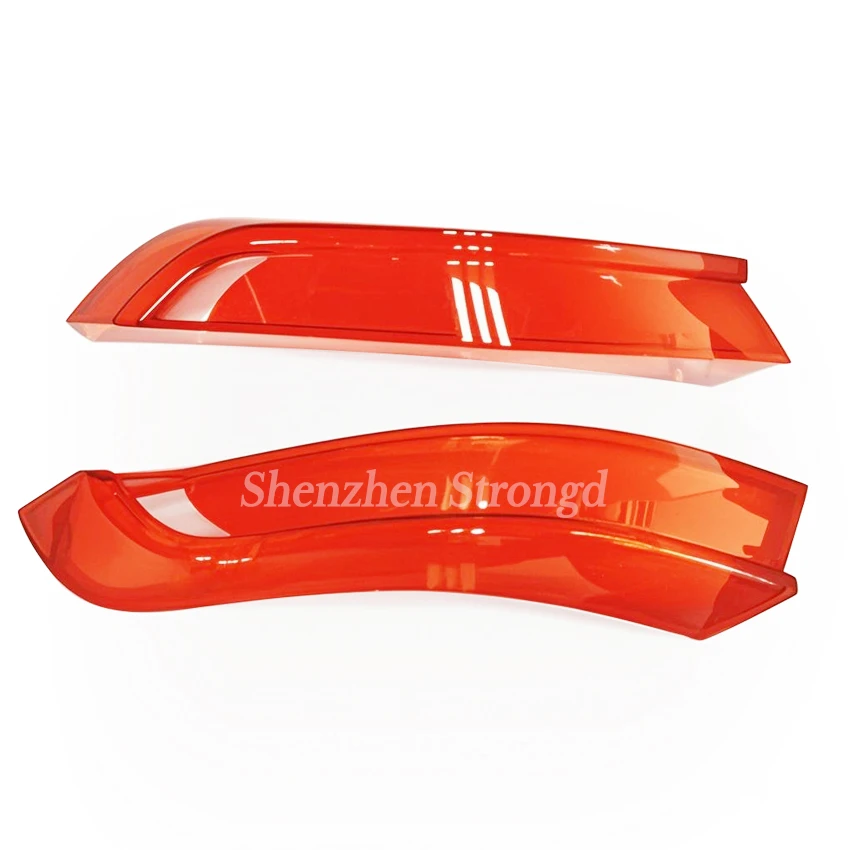
The automotive industry utilizes vacuum cast PC parts in various applications, such as interior trim pieces, instrument panels, and headlamp lenses. The hardness of these parts is crucial for withstanding the vibrations, temperature changes, and mechanical stresses encountered in a vehicle. Vacuum Casting Components with the right hardness can ensure long - term performance and safety. - Medical Devices
In the medical field, vacuum cast PC parts are used for a variety of applications, including surgical instruments, device enclosures, and diagnostic equipment components. The hardness of these parts is important for maintaining sterility, ensuring proper functionality, and withstanding repeated use and cleaning.
Ensuring Consistent Hardness in Vacuum Cast PC Parts
As a supplier of Vacuum Casting PC Parts, we take several measures to ensure consistent hardness in our products.
- Quality Control of Raw Materials
We carefully select high - quality polycarbonate resins from reliable suppliers. Each batch of resin is tested to ensure that it meets our strict quality standards in terms of its chemical composition and mechanical properties. - Precise Process Control
Our vacuum casting process is closely monitored and controlled. We use advanced equipment and techniques to ensure accurate temperature, pressure, and curing time during the casting process. This helps to achieve consistent cross - linking of the polymer chains and, consequently, consistent hardness in the cast parts. - Regular Hardness Testing
We conduct regular hardness testing on our vacuum cast PC parts using both Rockwell and Shore hardness tests. This allows us to detect any variations in hardness early on and take corrective actions if necessary.
Conclusion
The hardness of vacuum cast PC parts is a critical property that is influenced by various factors, including the resin properties, curing process, and additives. Measuring the hardness using appropriate methods such as Rockwell and Shore hardness tests helps to ensure that the parts meet the required specifications. The hardness of these parts is significant in terms of their mechanical performance, assembly, and compatibility with other materials.

At our company, we are committed to providing high - quality vacuum cast PC parts with consistent hardness. Whether you are in the prototyping phase or need low - volume production, our Silicone Mold Plastic Casting process can meet your needs. If you have any requirements for vacuum cast PC parts or would like to discuss your project in more detail, please feel free to contact us for a procurement discussion.
References
- ASTM D785 - 19 Standard Test Method for Rockwell Hardness of Plastics and Electrical Insulating Materials.
- ASTM D2240 - 15 Standard Test Method for Rubber Property - Durometer Hardness.
- "Polycarbonates: Properties, Processing, and Applications" by Reinhold B. Seymour and Charles E. Carraher Jr.