
Hey there! As an injection molding supplier, I've been in the thick of the industry for quite some time. One question that often pops up is, "What is the impact of fillers on injection molding?" Well, let's dive right in and break it down.
First off, what are fillers? Fillers are materials added to the base polymer in injection molding. They can be things like glass fibers, calcium carbonate, talc, or carbon black. These fillers aren't just thrown in randomly; they serve specific purposes that can have a huge impact on the final product.
Cost - Efficiency
One of the biggest impacts of fillers is on cost. Let's face it, raw polymers can be pretty expensive. By adding fillers, we can reduce the amount of polymer needed in the molding process. For example, calcium carbonate is a relatively inexpensive filler. When we mix it with a polymer, we can produce parts at a lower cost per unit. This is a win - win for both us as suppliers and our customers. It allows us to offer more competitive prices, and our customers get high - quality products without breaking the bank.
Mechanical Properties
Fillers can significantly alter the mechanical properties of the molded parts. Take glass fibers, for instance. When added to a polymer, they can increase the strength and stiffness of the final product. This is especially useful in applications where the part needs to withstand high loads or stresses. For example, in automotive parts or industrial equipment, parts made with glass - fiber - filled polymers are more durable and less likely to deform under pressure.
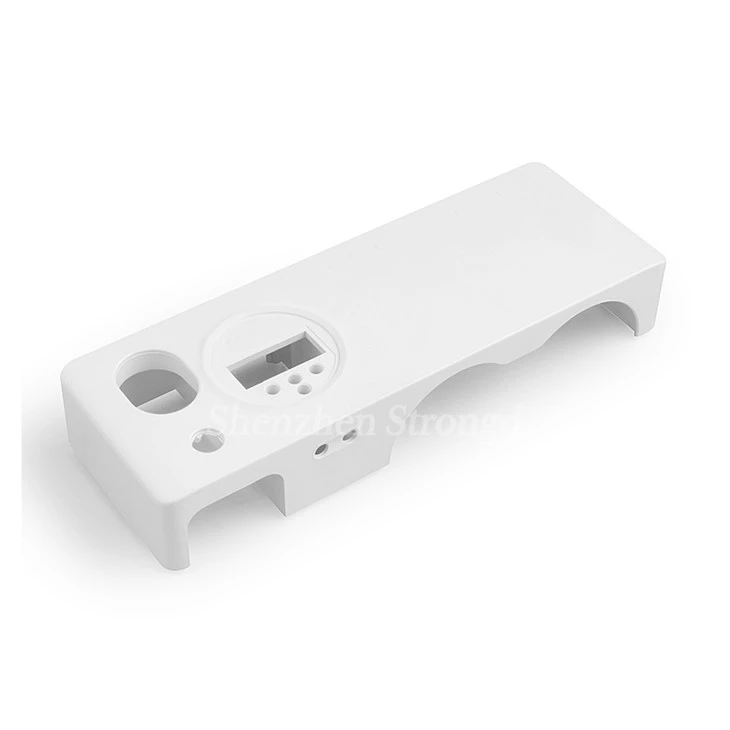

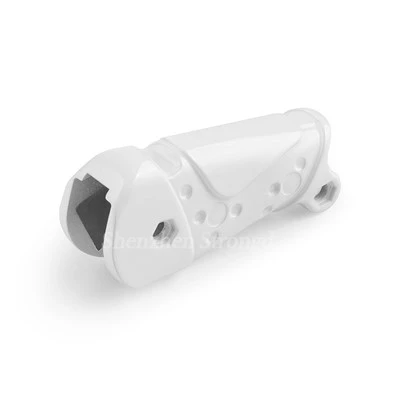
On the other hand, some fillers can improve the impact resistance of the parts. Carbon black, when used as a filler, can enhance the toughness of the polymer. This is great for products that might be subject to impacts or vibrations, like Plastic Robot Shell. The added impact resistance ensures that the robot shell can withstand normal wear and tear during its operation.
Shrinkage and Warpage
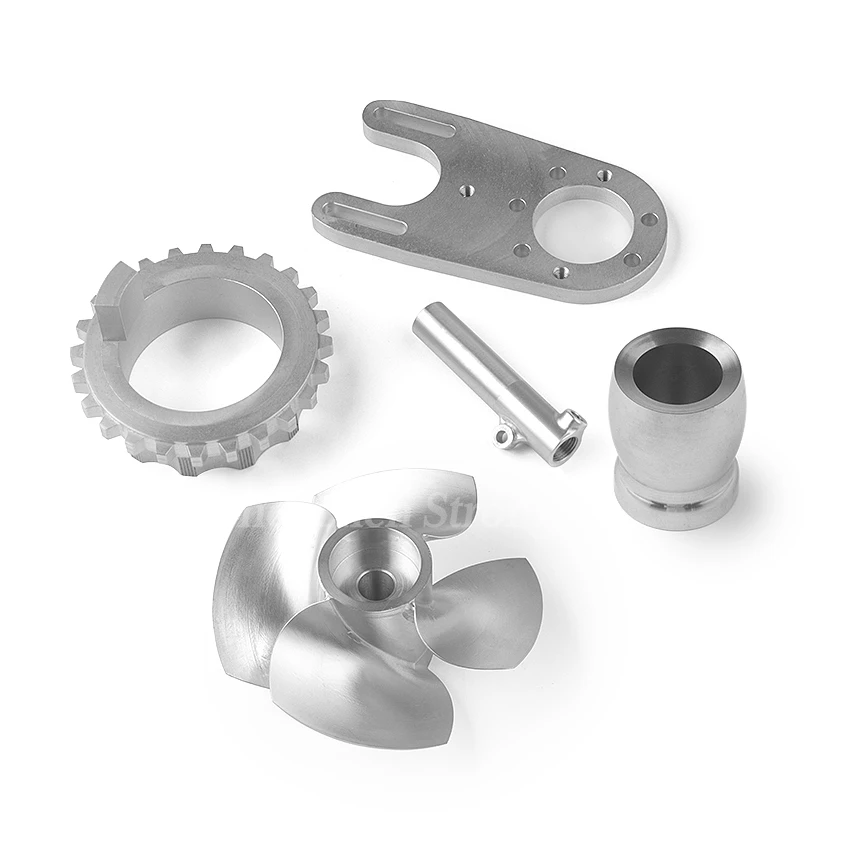
Shrinkage and warpage are common issues in injection molding. When a polymer cools and solidifies, it tends to shrink. This can lead to dimensional inaccuracies and warping of the parts. Fillers can help mitigate these problems. Fillers like talc can act as a nucleating agent, which means they promote more uniform crystallization of the polymer. This results in less shrinkage and more stable dimensions of the molded parts. For products that require high precision, such as parts for CNC Machining Metal Parts, controlling shrinkage and warpage is crucial.
Thermal Properties
Another important aspect is the thermal properties of the molded parts. Some fillers can improve the heat resistance of the polymer. For example, adding ceramic fillers can increase the thermal stability of the part. This is essential in applications where the part will be exposed to high temperatures, like in electronic devices. Electronic components generate heat, and parts made with heat - resistant filled polymers can ensure the longevity and reliability of the device. Check out TPU Injection Molding for Electronic Products to see how fillers can play a role in this area.
Processability
Fillers can also affect the processability of the polymer during injection molding. In some cases, they can improve the flow properties of the polymer melt. For example, small - particle - size fillers can act as lubricants, reducing the viscosity of the melt. This makes it easier for the polymer to flow into the mold cavities, especially in complex - shaped molds. However, it's important to note that too much filler can have the opposite effect. If the filler content is too high, the melt can become too viscous, leading to incomplete filling of the mold and other molding defects.
Aesthetic Considerations
Fillers can have an impact on the aesthetics of the final product as well. Some fillers can change the color or surface finish of the part. For example, carbon black can darken the color of the polymer, while some mineral fillers can give the part a matte finish. Depending on the application, this can be either an advantage or a disadvantage. In some cases, customers might prefer a certain color or finish for their products, and fillers can be used to achieve that.
Challenges with Fillers
While fillers offer many benefits, they also come with some challenges. One of the main challenges is filler dispersion. If the fillers are not properly dispersed in the polymer matrix, it can lead to uneven properties in the final product. This can result in weak spots, inconsistent mechanical properties, and other quality issues. To overcome this, we need to use proper mixing techniques and equipment to ensure uniform dispersion of the fillers.
Another challenge is the abrasiveness of some fillers. For example, glass fibers can be very abrasive to the injection molding equipment. This can lead to increased wear and tear on the screws, barrels, and other components of the molding machine. We need to take extra care in maintaining our equipment and using wear - resistant materials to extend the lifespan of the machinery.
In conclusion, fillers have a wide - ranging impact on injection molding. They can improve cost - efficiency, mechanical properties, dimensional stability, thermal properties, and processability of the molded parts. However, we also need to be aware of the challenges they pose and take appropriate measures to address them.
If you're in the market for high - quality injection - molded parts and want to discuss how fillers can be used to meet your specific requirements, don't hesitate to reach out. We're here to help you find the best solutions for your projects. Whether it's TPU Injection Molding for Electronic Products, CNC Machining Metal Parts, or Plastic Robot Shell, we've got the expertise and experience to deliver top - notch products.
References
- "Injection Molding Handbook" by O. O. Olajide
- "Polymer Composites: Principles and Applications" by A. P. Singh