
Hey there! As a sheet metal bending supplier, I've seen firsthand how crucial clamping devices are in the sheet metal bending process. In this blog post, I'll break down the role of clamping devices and why they're so important in our line of work.
What Are Clamping Devices?
Let's start with the basics. Clamping devices are tools used to hold the sheet metal firmly in place during the bending process. They come in various shapes and sizes, but their main job is to prevent the metal from moving or shifting while it's being bent. This is super important because even a tiny bit of movement can mess up the bend, leading to inaccurate parts and wasted materials.
There are different types of clamping devices out there. Some are simple mechanical clamps that use screws or levers to apply pressure, while others are more advanced hydraulic or pneumatic clamps that can provide a lot of force quickly and evenly. The type of clamp you choose depends on the specific requirements of the bending job, like the thickness and type of the sheet metal, the complexity of the bend, and the precision needed.
The Key Roles of Clamping Devices in Sheet Metal Bending
1. Ensuring Accuracy and Precision
One of the most important roles of clamping devices is to ensure that the bend is accurate and precise. When the sheet metal is securely clamped, the bending machine can apply the force exactly where it's needed, resulting in a bend with the correct angle and dimensions. This is especially important in industries where tight tolerances are required, like aerospace and automotive manufacturing. For example, if you're bending a part for an airplane wing, even a small deviation in the bend angle can have a big impact on the performance and safety of the aircraft.
To achieve this accuracy, clamping devices need to be able to hold the sheet metal firmly without causing any damage. They also need to be adjustable so that they can accommodate different sizes and shapes of metal sheets. This is where high-quality clamping devices really shine. They're designed to provide a consistent and reliable grip, allowing for precise bending every time.
2. Preventing Material Distortion
Another crucial role of clamping devices is to prevent material distortion during the bending process. When you apply force to bend the sheet metal, there's a risk that the metal will warp or stretch in unwanted ways. This can happen if the metal isn't held firmly enough or if the clamping pressure isn't distributed evenly.
Clamping devices help to distribute the pressure evenly across the sheet metal, reducing the risk of distortion. They also hold the metal in place, preventing it from moving or shifting during the bend. This is particularly important when working with thin or delicate sheet metals, which are more prone to distortion. By using the right clamping device, you can ensure that the final part has a smooth and uniform surface, without any unwanted bumps or wrinkles.
3. Improving Efficiency and Productivity
Clamping devices can also have a big impact on the efficiency and productivity of the sheet metal bending process. When the sheet metal is securely clamped, the bending machine can operate at its optimal speed and performance. This means that you can complete more bends in less time, increasing your overall production output.
In addition, clamping devices can reduce the need for manual adjustments and rework. Since they hold the metal in place accurately, there's less chance of making mistakes or having to correct the bend. This saves time and resources, allowing you to focus on other aspects of the manufacturing process. For example, if you're using a hydraulic clamping device that can quickly and easily adjust to different sheet metal sizes, you can switch between jobs more efficiently, reducing downtime and increasing productivity.
4. Enhancing Safety
Safety is always a top priority in any manufacturing process, and sheet metal bending is no exception. Clamping devices play an important role in enhancing safety by preventing the sheet metal from flying out or moving unexpectedly during the bending process. This reduces the risk of injuries to the operators and damage to the equipment.
When the sheet metal is securely clamped, it's less likely to cause accidents or malfunctions. For example, if a loose piece of metal were to get caught in the bending machine, it could cause the machine to jam or break down, leading to costly repairs and downtime. By using reliable clamping devices, you can minimize these risks and create a safer working environment for everyone involved.
Choosing the Right Clamping Device for Your Sheet Metal Bending Needs
Now that you understand the importance of clamping devices in sheet metal bending, you might be wondering how to choose the right one for your needs. Here are a few factors to consider:
1. Sheet Metal Thickness and Type
The thickness and type of the sheet metal you're working with will have a big impact on the type of clamping device you need. Thicker metals generally require more powerful clamps to hold them securely, while thinner metals may require more delicate clamps to prevent damage. Different types of metals, such as aluminum, steel, and stainless steel, also have different properties that need to be taken into account. For example, aluminum is softer and more prone to scratching, so you'll need a clamping device that can hold it firmly without causing any marks.
2. Bend Complexity
The complexity of the bend you're trying to achieve is another important factor. Simple bends may only require basic clamping devices, while more complex bends, such as multiple bends or bends with tight radii, may require more advanced clamping solutions. For example, if you're bending a part with a complex shape, you may need a clamping device that can be adjusted to hold the metal at different angles and positions.
3. Precision Requirements
If your project requires a high level of precision, you'll need a clamping device that can provide accurate and consistent clamping force. Look for clamps that have adjustable pressure settings and can be calibrated to ensure the right amount of force is applied. Some advanced clamping devices also come with sensors and feedback systems that can help you monitor and control the clamping process more precisely.
4. Compatibility with Your Bending Machine
It's important to choose a clamping device that is compatible with your bending machine. Make sure the clamp can be easily installed and removed from the machine, and that it works well with the machine's operating system. Some clamping devices are designed specifically for certain types of bending machines, so it's a good idea to check with the manufacturer or supplier to ensure compatibility.
Our Services as a Sheet Metal Bending Supplier
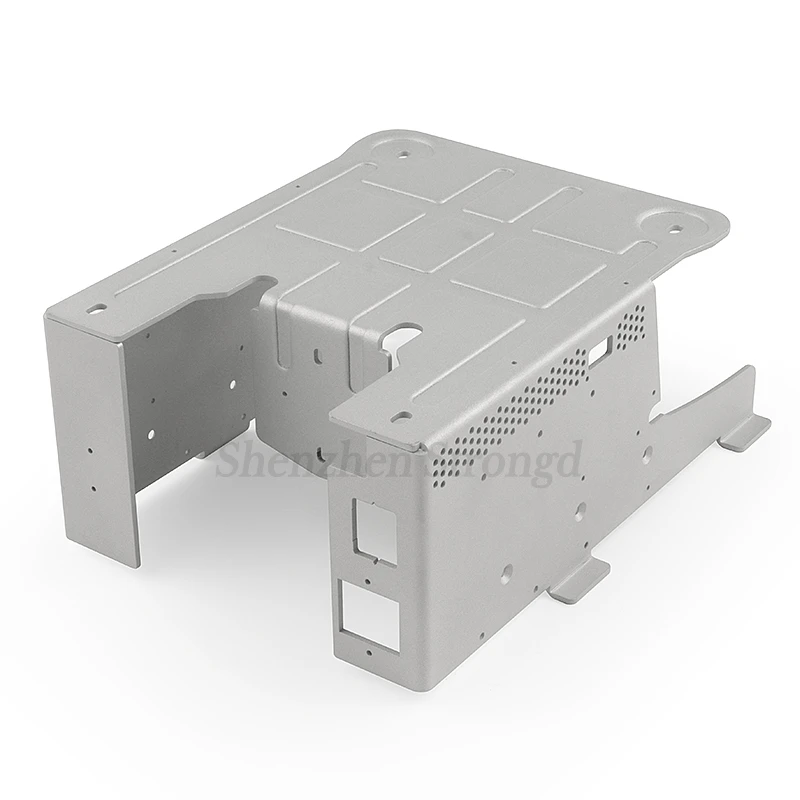
As a sheet metal bending supplier, we understand the importance of using high-quality clamping devices to ensure the best results for our customers. We offer a wide range of sheet metal bending services, including Sheet Metal Stamping Bending, Bend Sheet Metal, and Sheet Metal Aluminum Enclosure Fabrication.
We use state-of-the-art clamping devices and bending machines to ensure that every part we produce meets the highest standards of quality and precision. Our experienced team of professionals is dedicated to providing excellent customer service and working closely with you to understand your specific requirements and deliver the best possible solution.

Whether you need a single prototype or a large production run, we have the expertise and resources to handle your project efficiently and effectively. We're committed to using the latest technologies and techniques to stay ahead of the curve and provide you with the best value for your money.
Contact Us for Your Sheet Metal Bending Needs
If you're in need of sheet metal bending services or have any questions about clamping devices or our services, don't hesitate to get in touch with us. We'd love to hear from you and discuss how we can help you with your next project. You can reach out to us through our website or by contacting our sales team directly. We're always here to help and look forward to working with you.
References
- "Sheet Metal Bending Handbook" by John Doe. This handbook provides in-depth information on the principles and techniques of sheet metal bending, including the role of clamping devices.
- "Advanced Clamping Technologies for Sheet Metal Fabrication" by Jane Smith. This research paper explores the latest advancements in clamping technologies and their impact on the sheet metal bending process.