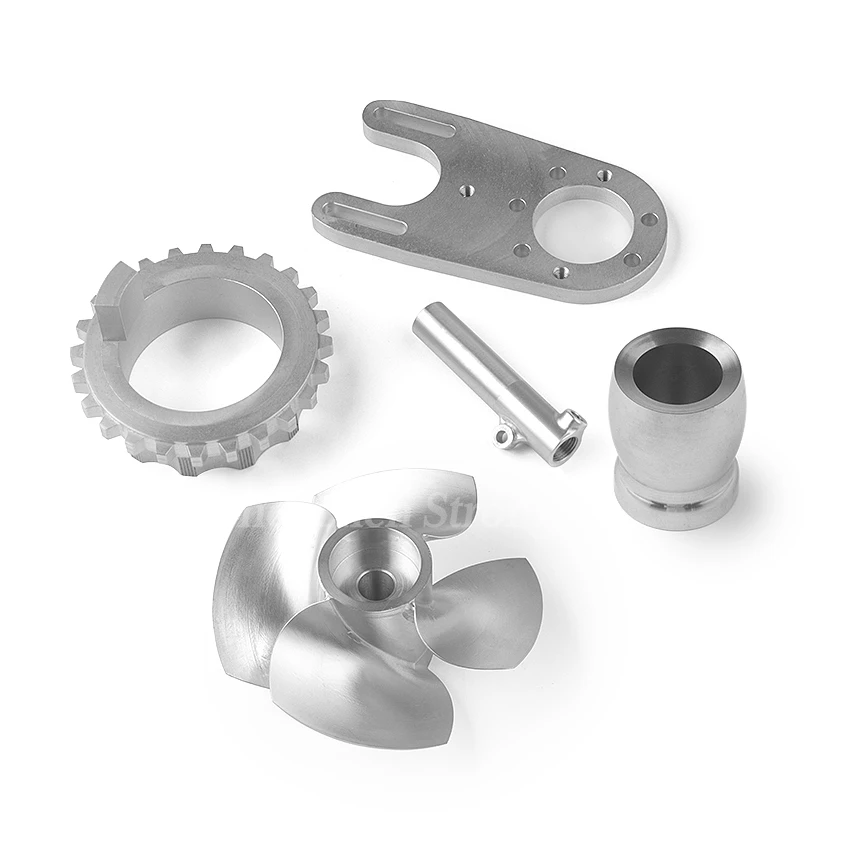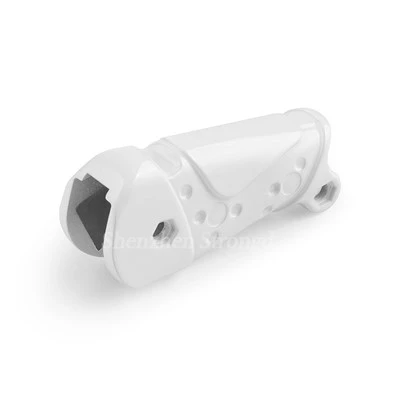

Hey there! As a supplier of Vacuum Casting PC Parts, I often get asked about the tear strength of these parts. So, I thought I'd take a deep dive into this topic and share some insights with you.
First off, let's understand what tear strength is. Tear strength refers to the ability of a material to resist tearing when a force is applied to it. In the context of vacuum cast PC (Polycarbonate) parts, it's a crucial property because these parts are often used in various applications where they might be subjected to pulling, stretching, or sharp impacts that could potentially cause tearing.
Factors Affecting the Tear Strength of Vacuum Cast PC Parts
1. Material Quality
The quality of the PC material used in the vacuum casting process plays a huge role in determining the tear strength. High - quality PC resins usually have better molecular structures, which means they can withstand more force before tearing. For example, some premium PC materials have a more uniform distribution of polymer chains, allowing them to transfer stress more effectively across the material. When we source our PC materials, we always look for suppliers who can provide us with top - notch resins to ensure the best tear strength in our vacuum cast parts.
2. Casting Process
The vacuum casting process itself can also impact tear strength. During the casting, factors like temperature, pressure, and the speed of filling the mold are all important. If the temperature is too high, it can cause the PC material to degrade, which in turn reduces its tear strength. On the other hand, if the pressure is not evenly distributed during the filling of the mold, it can lead to internal stresses in the part. These internal stresses act as weak points, making the part more prone to tearing. At our company, we've fine - tuned our vacuum casting process over the years to optimize these parameters and get the best possible tear strength in our PC parts.
3. Part Design
The design of the vacuum cast PC part matters a lot when it comes to tear strength. Sharp corners and sudden changes in cross - section can create stress concentrations. When a force is applied, these areas are more likely to start tearing. For instance, if a part has a very narrow section connected to a wider one, the transition area can be a weak point. To avoid this, we work closely with our clients during the design phase. We suggest design modifications like rounding off corners and using smooth transitions to improve the tear strength of the final part.
Measuring the Tear Strength of Vacuum Cast PC Parts
There are several standard tests used to measure the tear strength of materials, and we use these tests to ensure the quality of our vacuum cast PC parts. One common test is the ASTM D624 test. In this test, a specimen of the PC part is cut into a specific shape, usually a crescent or a right - angled tear specimen. Then, the specimen is placed in a testing machine, and a force is applied to tear it. The machine records the maximum force required to tear the specimen, and this value is used to determine the tear strength.
We also conduct in - house tests on a regular basis. We take samples from each batch of vacuum cast PC parts and perform tear strength tests. This helps us catch any potential issues early on and make adjustments to our process if needed.
Applications and the Importance of Tear Strength
Vacuum cast PC parts are used in a wide range of applications, and tear strength is often a critical factor in these applications.
1. Automotive Industry
In the automotive industry, vacuum cast PC parts are used for various interior and exterior components. For example, dashboard components, door handles, and trim pieces. These parts need to have good tear strength because they are constantly exposed to normal wear and tear, as well as potential impacts. If a door handle has poor tear strength, it could break or tear off during use, which is not only a safety hazard but also a bad look for the vehicle.
2. Electronics Industry
In the electronics industry, PC parts are used for device casings and enclosures. These casings need to protect the delicate electronic components inside. They might be subjected to forces when the device is dropped or when it's being assembled. Good tear strength ensures that the casing remains intact and provides the necessary protection.
3. Consumer Goods
For consumer goods like toys, household appliances, and sports equipment, tear strength is also important. Toys need to withstand the rough handling of children, and household appliances might be moved around or bumped into. Sports equipment needs to endure the high - impact forces during use. Our vacuum cast PC parts with high tear strength are well - suited for these types of applications.
Comparing with Other Vacuum Casting Materials
When we talk about vacuum casting, there are other materials like ABS that are also commonly used. If you're interested in Vacuum Casting ABS Shell, it has its own set of properties. ABS generally has good impact resistance, but in terms of tear strength, PC often outperforms it. PC's molecular structure gives it a better ability to resist tearing, especially under certain types of stress.


Another related aspect is Silicone Mould Parts. Silicone molds are widely used in the vacuum casting process. They are flexible and can accurately reproduce the details of the master pattern. However, the tear strength of the final vacuum cast part is more related to the material (like PC) being cast rather than the silicone mold itself. The quality of the silicone mold does affect the casting process, but not directly the tear strength of the PC part.
Silicone Mold Vacuum Casting is a popular method for creating small - to medium - sized batches of parts. The process allows for a high degree of precision and flexibility in part design. And when it comes to PC parts, we can use this process to achieve excellent tear strength by carefully controlling the factors I mentioned earlier.
Conclusion
In conclusion, the tear strength of vacuum cast PC parts is influenced by multiple factors, including material quality, the casting process, and part design. Measuring tear strength is essential to ensure the quality of the parts, and it's a crucial property for a wide range of applications.
If you're in the market for high - quality vacuum cast PC parts with excellent tear strength, we'd love to hear from you. Whether you're in the automotive, electronics, or consumer goods industry, we have the expertise and experience to provide you with the best vacuum cast PC parts for your needs. Just reach out to us to start a conversation about your project requirements, and let's work together to create the perfect parts for you.
References
- ASTM International. (2018). ASTM D624 - 00(2018) Standard Test Method for Tear Strength of Conventional Vulcanized Rubber and Thermoplastic Elastomers.
- Polymer Science and Engineering Handbook. Second Edition. Edited by Joel R. Fried.