
In the rapidly evolving field of surgical robotics, the question of whether surgical robot parts can be shared between different hospitals is a topic of significant interest and debate. As a supplier of Surgical Robots Parts, I've been closely following this issue and have some insights to share.
The Promise of Sharing Surgical Robot Parts
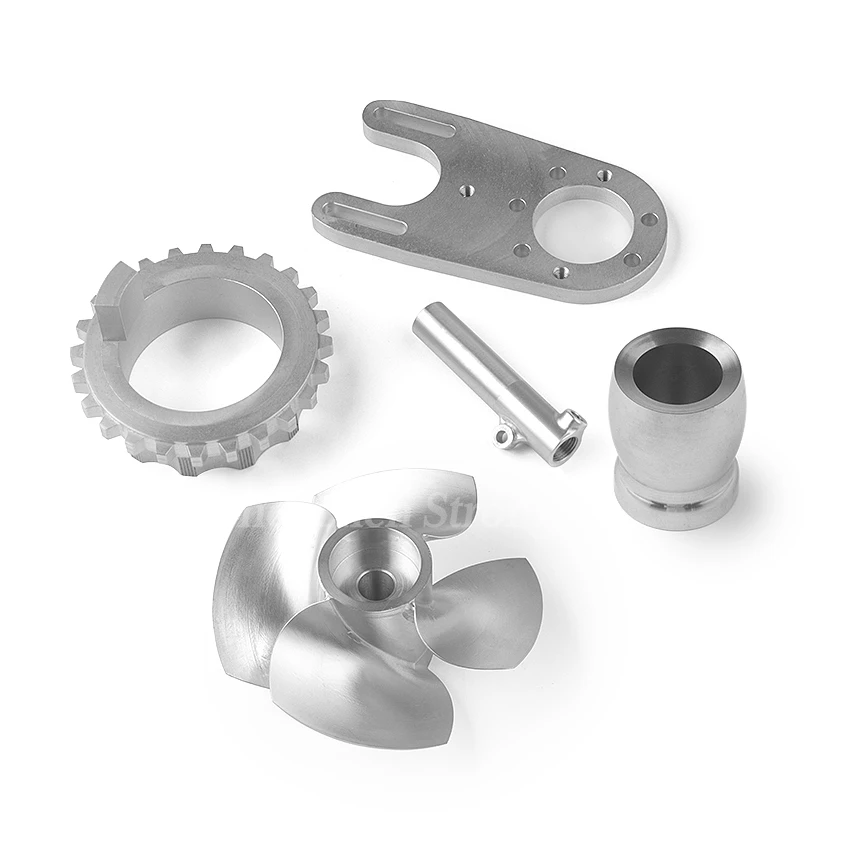
The concept of sharing surgical robot parts between hospitals has several potential benefits. First and foremost, it can lead to significant cost savings. Surgical robots are extremely expensive pieces of equipment, and the cost of their parts can also be prohibitive. By sharing parts, hospitals can reduce their overall expenditure on robot maintenance and repairs. For example, if a particular part, such as a Robot Metal Parts Manufacturing, is in high demand but rarely used in full capacity at each hospital, sharing can ensure that the part is utilized more efficiently.
Secondly, sharing parts can improve the availability of critical components. In some cases, a hospital may experience a sudden breakdown of a surgical robot, and waiting for a new part to be shipped can delay patient treatment. If parts can be shared among hospitals in a network, the time to repair the robot can be significantly reduced, minimizing the impact on patient care.
Another advantage is the potential for knowledge sharing and collaboration. When hospitals share parts, they also have the opportunity to exchange information about the performance and maintenance of the robots. This can lead to better understanding of the technology and more effective use of the surgical robots in the long run. For instance, one hospital may have discovered a more efficient way to install or calibrate a Humanoid Robot Joint Parts, and by sharing this knowledge through the part - sharing network, other hospitals can benefit.
Challenges in Sharing Surgical Robot Parts
However, there are also numerous challenges associated with sharing surgical robot parts between hospitals. One of the most significant challenges is the issue of compatibility. Surgical robots come in different models and manufacturers, and their parts are often designed to be specific to a particular system. Even within the same brand, different generations of robots may have variations in part specifications. For example, a Mechanical Robotic Parts that fits one model of a surgical robot may not fit another, even if they are from the same manufacturer. This means that hospitals need to ensure that the parts they are sharing are indeed compatible with their robots, which can be a complex and time - consuming process.
Quality control is another major concern. Surgical robot parts are critical components that directly affect the safety and effectiveness of surgical procedures. When parts are shared between hospitals, there is a risk that the quality of the parts may not be consistent. For example, a part that has been used multiple times in different hospitals may have hidden wear and tear that is not easily detectable. This can lead to potential malfunctions during surgery, putting patients at risk. Therefore, strict quality control measures need to be in place to ensure that all shared parts meet the required standards.
Legal and regulatory issues also pose a significant challenge. Different regions and countries have different regulations regarding the use and sharing of medical devices, including surgical robot parts. Hospitals need to ensure that they are compliant with all relevant laws and regulations when sharing parts. For example, some regulations may require detailed documentation of the origin, usage, and maintenance history of the parts. Failure to comply with these regulations can result in legal consequences for the hospitals involved.


Solutions to Overcome the Challenges
To address the compatibility issue, standardization efforts are needed. Manufacturers should work towards developing more standardized parts that can be used across different models and generations of surgical robots. This would make it easier for hospitals to share parts without having to worry about compatibility problems. Additionally, hospitals can establish a database of part compatibility information, where they can share details about which parts fit which robots.
For quality control, a comprehensive inspection and testing process should be implemented before any part is shared between hospitals. This can include visual inspections, functional tests, and calibration checks. Hospitals can also develop a system for tracking the usage and maintenance history of each part, which can help in identifying any potential quality issues.
To deal with legal and regulatory challenges, hospitals should work closely with regulatory authorities to ensure that they understand and comply with all relevant laws. They can also establish a legal framework for part sharing, which includes clear agreements on liability, ownership, and usage rights.
The Role of a Surgical Robot Parts Supplier
As a supplier of Surgical Robots Parts, we play a crucial role in facilitating the sharing of parts between hospitals. We can provide accurate information about part compatibility, quality control, and regulatory compliance. Our team of experts can assist hospitals in selecting the right parts for their robots and ensuring that they meet all the necessary standards.
We also offer a range of services, such as part inspection, testing, and calibration. By providing these services, we can help hospitals maintain the quality of the shared parts and reduce the risk of malfunctions during surgery. Additionally, we can work with hospitals to develop customized solutions for part sharing, based on their specific needs and requirements.
Conclusion
The idea of sharing surgical robot parts between different hospitals has both potential benefits and significant challenges. While cost savings, improved availability, and knowledge sharing are attractive advantages, issues such as compatibility, quality control, and legal regulations need to be carefully addressed. With the right solutions in place, including standardization, strict quality control, and compliance with regulations, the sharing of surgical robot parts can become a viable option for hospitals.
If you are a hospital interested in exploring the possibility of sharing surgical robot parts or need high - quality surgical robot parts, please feel free to contact us. We are committed to providing you with the best products and services to meet your needs.
References
- [List of relevant industry reports on surgical robotics and part sharing]
- [Published research papers on the challenges and solutions in sharing medical device parts]
- [Regulatory documents related to the use and sharing of surgical robot parts]