
Can vacuum casting produce transparent PC parts?
As a supplier of Vacuum Casting PC Parts, I often encounter inquiries from clients about the feasibility of producing transparent polycarbonate (PC) parts through vacuum casting. In this blog post, I'll delve into the technical aspects, advantages, limitations, and the overall viability of using vacuum casting for creating transparent PC parts.
Understanding Vacuum Casting
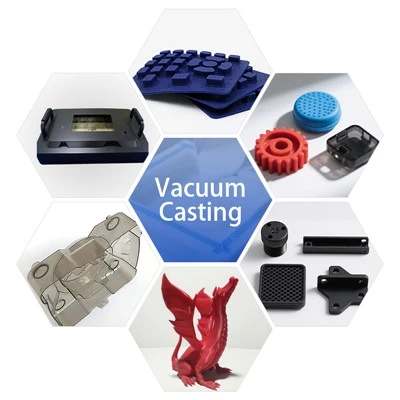
Vacuum casting is a manufacturing process that involves creating a silicone mold from a master pattern and then using this mold to produce multiple copies of the part. The process takes place in a vacuum environment, which helps to eliminate air bubbles and ensures a high - quality finish. It is widely used for rapid prototyping and small - batch production due to its relatively low cost and quick turnaround time. You can learn more about the basics of vacuum casting in our Vacuum Casting Soft Rapid Prototype page.
Properties of Polycarbonate (PC)
Polycarbonate is a thermoplastic polymer known for its high impact resistance, optical clarity, heat resistance, and dimensional stability. These properties make it a popular choice for applications where transparency and durability are required, such as in automotive headlamps, safety glasses, and electronic device screens.
The Feasibility of Vacuum Casting Transparent PC Parts
Technical Feasibility
From a technical perspective, it is indeed possible to produce transparent PC parts through vacuum casting. There are specialized PC - based casting resins available in the market that can be used in the vacuum casting process. These resins are formulated to have good flow properties, which are essential for filling the mold cavities completely and achieving a smooth surface finish.
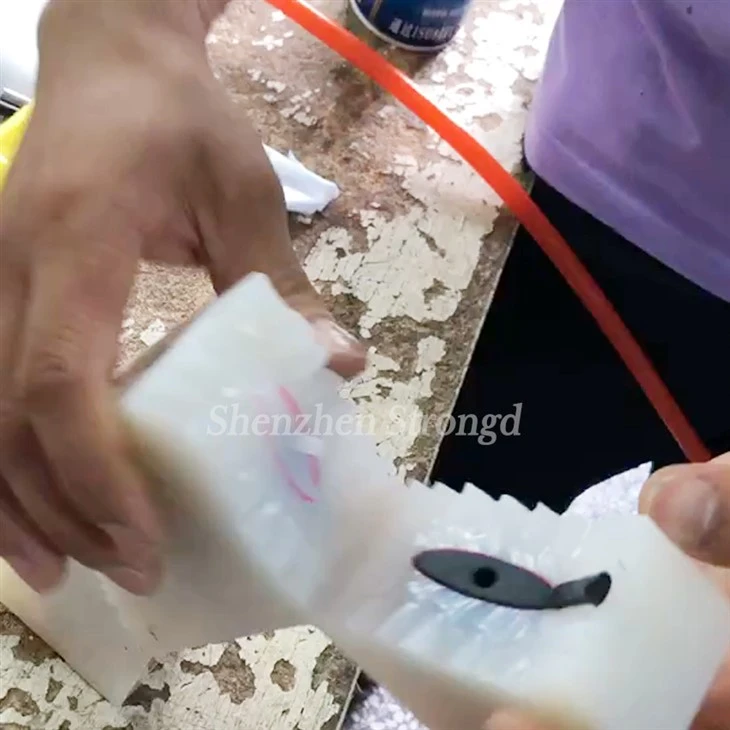
During the vacuum casting process, the PC resin is degassed in a vacuum chamber to remove any entrapped air bubbles. Once degassed, the resin is poured into the silicone mold under vacuum conditions. The mold is then cured at a specific temperature and for a set period to allow the resin to solidify into the desired part shape.
Advantages of Vacuum Casting Transparent PC Parts
- Cost - effective for Small Batches: Compared to traditional injection molding, vacuum casting has a lower tooling cost. For small - batch production of transparent PC parts, this can result in significant cost savings.
- Quick Turnaround: The process of creating a silicone mold and casting parts is relatively fast. This allows for rapid prototyping and quick product development cycles, enabling companies to bring their products to market faster.
- High - Quality Surface Finish: Vacuum casting can produce parts with a smooth and high - quality surface finish, which is crucial for transparent parts as any surface imperfections can affect the optical clarity.
- Design Flexibility: The silicone molds used in vacuum casting can be easily modified, allowing for design changes to be made quickly and cost - effectively.
Limitations of Vacuum Casting Transparent PC Parts
- Limited Production Volume: While vacuum casting is suitable for small - batch production, it is not ideal for large - scale manufacturing. The production rate is relatively low compared to injection molding, and the silicone molds have a limited lifespan.
- Material Properties: Although the PC - based casting resins used in vacuum casting can offer good optical clarity, they may not have exactly the same mechanical and thermal properties as injection - molded PC parts. For example, the impact resistance and heat resistance of vacuum - cast PC parts may be slightly lower.
- Mold Wear: The silicone molds used in vacuum casting can wear out over time, especially when casting abrasive materials like PC. This can lead to a decrease in the quality of the parts produced and may require the mold to be replaced periodically.
Quality Control for Transparent PC Parts
To ensure the quality of transparent PC parts produced through vacuum casting, strict quality control measures need to be in place. This includes:
- Material Testing: The PC - based casting resins should be tested for their optical clarity, viscosity, and mechanical properties before use.
- Mold Inspection: The silicone molds should be inspected regularly for any signs of wear, damage, or contamination.
- Part Inspection: The finished parts should be inspected for optical clarity, surface finish, and dimensional accuracy. Any parts with visible defects or deviations from the specifications should be rejected.
Applications of Vacuum - Cast Transparent PC Parts
- Prototyping: Vacuum - cast transparent PC parts are widely used for prototyping in industries such as automotive, consumer electronics, and medical devices. They allow designers to test the form, fit, and function of their products before committing to large - scale production.
- Small - Batch Production: For products that require a limited number of transparent PC parts, such as custom - made display cases or small - run electronic components, vacuum casting can be an ideal manufacturing method. You can find more examples of such applications on our Vacuum Casting Parts and Vacuum Casting Components pages.
Conclusion
In conclusion, vacuum casting can produce transparent PC parts, offering a cost - effective and efficient solution for small - batch production and rapid prototyping. While there are some limitations, with proper material selection, quality control, and process optimization, high - quality transparent PC parts can be achieved.

If you are interested in vacuum - cast transparent PC parts for your project, I encourage you to reach out to us. We have extensive experience in producing high - quality Vacuum Casting PC Parts and can provide you with customized solutions to meet your specific requirements. Whether you are in the prototyping phase or need small - batch production, we are here to help you bring your ideas to life.
References
- "Polycarbonate: Properties, Processing, and Applications" - A technical handbook on polycarbonate materials.
- "Vacuum Casting Technology: Principles and Practices" - A comprehensive guide on the vacuum casting process.