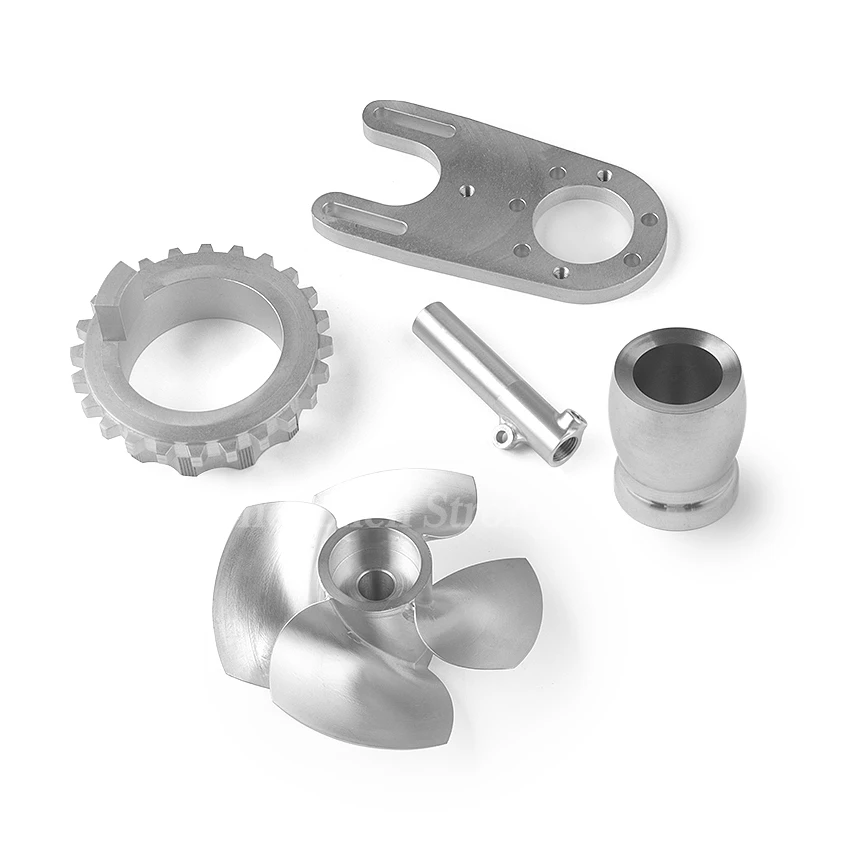

In the realm of robotics, the surface smoothness of metal robot body parts is not just an aesthetic concern; it plays a crucial role in the overall performance, functionality, and longevity of the robots. As a trusted Metal Robot Body Parts supplier, we understand the significance of achieving impeccable surface smoothness. In this blog post, we will delve into the various aspects of improving the surface smoothness of metal robot body parts, exploring the techniques, challenges, and best practices.
Understanding the Importance of Surface Smoothness
Before we dive into the methods of improving surface smoothness, let's first understand why it is so important. A smooth surface finish on metal robot body parts offers several benefits:
- Enhanced Aesthetics: A smooth surface gives the robot a professional and high - quality appearance, which is especially important for consumer - facing robots or those used in public spaces.
- Reduced Friction: Smooth surfaces minimize friction between moving parts, leading to less wear and tear, improved energy efficiency, and longer part lifespan.
- Better Sealing: In applications where sealing is required, a smooth surface ensures a better seal, preventing leakage of fluids or gases.
- Improved Functionality: For parts that interact with other components, such as sensors or actuators, a smooth surface can enhance the accuracy and reliability of these interactions.
Factors Affecting Surface Smoothness
Several factors can influence the surface smoothness of metal robot body parts. Understanding these factors is the first step in improving the finish.
- Material Selection: Different metals have different inherent properties that affect their machinability and surface finish. For example, aluminum is generally easier to machine to a smooth finish compared to stainless steel.
- Machining Processes: The type of machining process used, such as turning, milling, or grinding, can have a significant impact on the surface finish. Each process has its own limitations and capabilities in terms of achieving smooth surfaces.
- Tooling: The quality and condition of the cutting tools used in machining can greatly affect the surface finish. Dull or worn - out tools can leave rough marks on the surface.
- Cutting Parameters: Parameters such as cutting speed, feed rate, and depth of cut need to be carefully selected to achieve the desired surface smoothness. Incorrect parameters can lead to rough surfaces or even damage to the part.
- Environmental Conditions: Factors such as temperature, humidity, and the presence of contaminants in the machining environment can also affect the surface finish.
Techniques for Improving Surface Smoothness
Now that we understand the importance and influencing factors, let's explore some techniques for improving the surface smoothness of metal robot body parts.
Precision Machining
Precision machining is a fundamental technique for achieving smooth surfaces. By using high - precision machining equipment and carefully controlling the cutting parameters, we can minimize the roughness of the machined surface. For example, in turning operations, using a sharp cutting tool and a slow feed rate can result in a smoother finish. Additionally, multi - pass machining can be employed, where the final pass is made with a very light cut to remove any remaining irregularities.
Grinding and Polishing
Grinding is a process that uses abrasive particles to remove small amounts of material from the surface, resulting in a smoother finish. It can be used to correct surface irregularities left by other machining processes. After grinding, polishing can be performed to further enhance the smoothness and achieve a mirror - like finish. Polishing involves using a polishing compound and a soft cloth or pad to buff the surface.
Chemical Finishing
Chemical finishing processes, such as electropolishing and passivation, can also be used to improve the surface smoothness of metal parts. Electropolishing involves immersing the part in an electrolyte solution and applying an electric current to remove a thin layer of material from the surface. This process not only smooths the surface but also improves the corrosion resistance of the metal. Passivation, on the other hand, is a chemical treatment that forms a protective oxide layer on the surface of the metal, which can also contribute to a smoother and more corrosion - resistant finish.
Coating
Applying a coating to the metal surface can be an effective way to improve surface smoothness. Coatings can fill in small surface irregularities and provide a smooth, uniform finish. There are various types of coatings available, such as polymer coatings, ceramic coatings, and metallic coatings. The choice of coating depends on the specific requirements of the application, such as wear resistance, corrosion resistance, and electrical conductivity.
Challenges in Achieving Surface Smoothness
While there are many techniques available for improving surface smoothness, there are also several challenges that need to be overcome.
- Cost: Some of the advanced techniques for achieving high - level surface smoothness, such as precision grinding and chemical finishing, can be expensive. Balancing the cost with the desired level of smoothness is a challenge for many manufacturers.
- Complex Geometries: Robot body parts often have complex geometries, which can make it difficult to achieve a uniform surface finish. Machining or finishing operations may be limited by the accessibility of certain areas of the part.
- Material Compatibility: When using coatings or chemical treatments, it is important to ensure that they are compatible with the base metal. Incompatible materials can lead to adhesion problems or other issues that can affect the surface finish.
- Quality Control: Maintaining consistent surface smoothness across a large number of parts can be a challenge. Implementing effective quality control measures is essential to ensure that all parts meet the required specifications.
Best Practices for Surface Smoothness Improvement
To overcome the challenges and achieve the best possible surface smoothness, we recommend the following best practices:
- Early Planning: Consider the surface finish requirements early in the design and manufacturing process. This allows for the selection of appropriate materials, machining processes, and finishing techniques from the start.
- Quality Tooling: Invest in high - quality cutting tools and regularly maintain and replace them as needed. Sharp and well - maintained tools are essential for achieving a smooth surface finish.
- Process Optimization: Continuously optimize the machining and finishing processes by adjusting the cutting parameters, using the latest equipment and techniques, and monitoring the results.
- Quality Control: Implement a comprehensive quality control system to ensure that all parts meet the required surface smoothness specifications. This can include visual inspection, surface roughness measurement, and other testing methods.
Conclusion
Improving the surface smoothness of metal robot body parts is a complex but essential task. By understanding the importance of surface smoothness, the factors that affect it, and the techniques available for improvement, we can produce high - quality parts that meet the demanding requirements of the robotics industry. As a Metal Robot Body Parts supplier, we are committed to using the latest technologies and best practices to ensure that our parts have the best possible surface finish.
If you are in the market for high - quality Humanoid Robot Joint Parts, Mechanical Robotic Parts, or require Robot Metal Parts Manufacturing services, we would love to discuss your specific needs. Contact us today to start a procurement discussion and discover how our expertise can benefit your robotics projects.


References
- "Machining Fundamentals" by John T. Black
- "Surface Engineering for Corrosion and Wear Protection" by David A. Jones
- "Handbook of Manufacturing Engineering and Technology" edited by Yoram Koren